An ideal drip irrigation watering schedule Utah high desert trees shrubs provides deep moisture at least once per week during the peak summer season. Depending on emitter flow rates, systems should run for 20 to 90 minutes to ensure water reaches the deep root zone; newly planted trees may need more frequent cycles. This approach helps maintain landscape health by compensating for the arid climate and high evaporation rates.
Gardening in Utah’s high desert often feels like a constant battle against the elements, where a single afternoon of scorching heat can undo weeks of careful growth. Many homeowners struggle with the delicate balance of drip irrigation, often oscillating between parched roots and waterlogged soil. Understanding the precise watering needs of your trees and shrubs is essential for long-term health; the unique combination of arid air and varying soil types in Scipio requires more than a generic timer setting. This guide provides a definitive roadmap for mastering your irrigation schedule. You will learn how to calibrate your system for new plantings, make critical seasonal adjustments, and troubleshoot technical issues like emitter pressure and secondary water maintenance. By applying these expert principles, you can ensure your landscape thrives even in the most demanding high desert conditions.
Understanding the High Desert Watering Challenge in Scipio
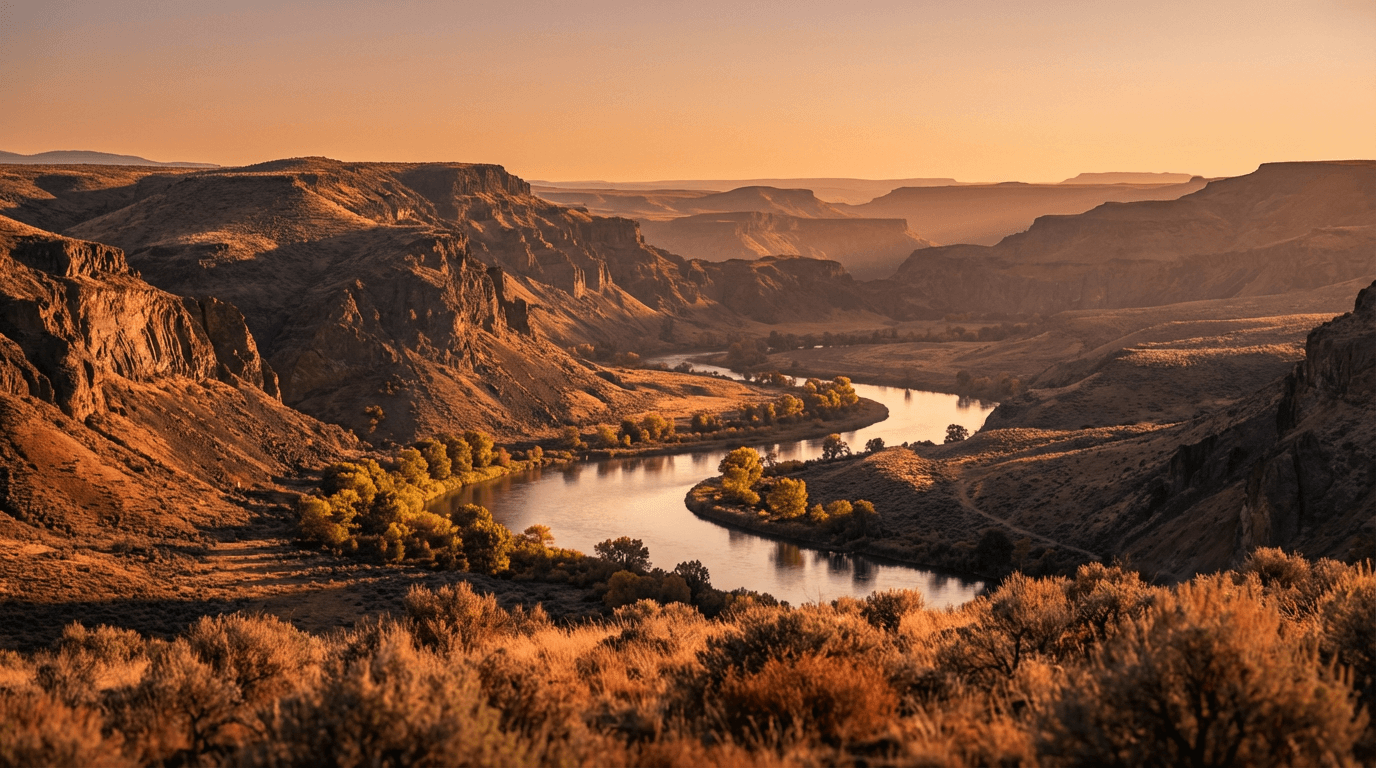
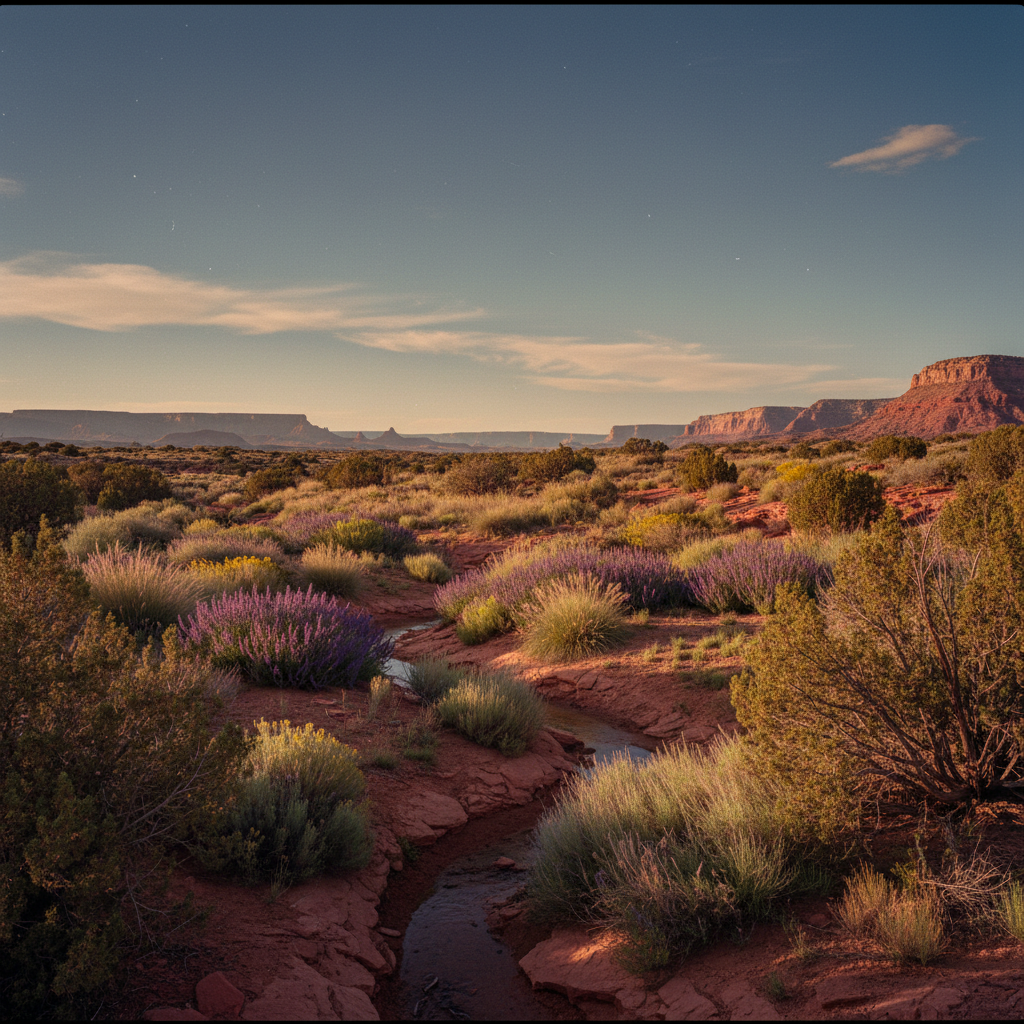
Growing healthy plants in Scipio and across Millard County requires navigating environmental pressures that are far more intense than those found in lower Utah valleys. At an elevation of approximately 5,300 feet, our high desert climate is defined by thin air, high UV intensity, and frequent winds. These elements combine to drive up evapotranspiration rates, meaning moisture leaves the soil and plant tissues at an accelerated pace.
For property owners investing in landscape services in Scipio, traditional overhead watering is often inefficient. Wind drift carries mist away from the target, and the midday sun can evaporate water before it penetrates the surface. This is why a drip irrigation watering schedule Utah high desert trees shrubs rely on is considered the gold standard for sustainability. By delivering water directly to the root zone through low-profile emitters, you bypass the challenges of wind and evaporation. This method ensures that every gallon counts, allowing for deeper soil penetration which is essential for survival in our specific climate. Establishing a precise schedule tailored to these local stressors is the first step in creating a resilient, water-wise outdoor space.
The Core Principles of High Desert Drip Irrigation
Transitioning to a drip system requires a shift in how you calculate water volume. Unlike traditional overhead sprays that measure output in gallons per minute (GPM), drip irrigation is measured in Gallons Per Hour (GPH). This slow release allows water to permeate the dense clay soils common in Millard County without causing surface runoff. When you contact Scipio Plants for installation advice, we emphasize that the total runtime must be calculated based on the specific GPH of your emitters to ensure moisture reaches the deep root zone.
Technical design often follows the 200/200 rule, which serves as a safeguard for system pressure. Generally, you should not exceed 200 feet of lateral tubing on a single zone, nor should the total output of all emitters on that line exceed 200 GPH. Exceeding these limits leads to pressure drops, leaving plants at the end of the line parched while those near the valve are overwatered.
Selecting the right emitter is the next critical step. High flow emitters, such as 20 GPH bubblers, are best suited for large, established trees that require significant volume in a shorter window. Low flow emitters, ranging from 1 to 4 GPH, are the standard for shrubs and perennials, providing the steady soak necessary for deep root penetration.
Emitter Type | Flow Rate | Primary Use |
|---|---|---|
Low-Flow Emitter | 1 - 2 GPH | Small shrubs, perennials, and groundcovers |
Medium-Flow Emitter | 4 GPH | Large shrubs and young trees |
High-Flow / Bubbler | 10 - 20 GPH | Mature canopy trees and high-water fruit trees |
Because drip irrigation delivers water so slowly, schedules should be measured in hours rather than minutes. A common mistake in a drip irrigation watering schedule Utah high desert trees shrubs need is running the system for only twenty minutes. In our climate, a twenty minute cycle barely wets the surface; effective watering often requires runtimes of two to four hours to reach the necessary soil depth.
Drip Irrigation Watering Schedule for New Trees and Shrubs

Successfully installing landscape services in Scipio is only half the battle; the critical phase begins once the plant is in the ground. The first two years are the most vulnerable period for any tree or shrub in the Utah high desert. During this window, the root system is confined to the nursery root ball and the immediate surrounding soil. Consequently, the drip irrigation watering schedule Utah high desert trees shrubs requires a shift from frequent, shallow applications to less frequent, deep soakings as the plant matures.
In Scipio, our heavy clay soils present a unique challenge. Clay particles are microscopic and pack tightly, creating a high water-holding capacity but low oxygen levels when saturated. If you water too frequently without allowing the soil to breathe, you risk root rot, which is just as lethal as drought in our climate. New plants need their root balls to stay moist but not soggy. You must balance the need for initial frequency with the necessity of deep penetration to encourage roots to move outward into the native Millard County soil.
Use the following schedule as a baseline for new plantings in the Scipio area:
Timeframe | Frequency | Focus |
|---|---|---|
Months 1 - 3 | 2 to 3 times per week | Keeping the root ball consistently moist. |
Year 1 (Remainder) | 1 to 2 times per week | Encouraging root expansion into surrounding soil. |
Year 2 | Every 7 to 10 days | Deep soakings to build drought resilience. |
By the second year, the goal is to train the tree or shrub to seek moisture deeper in the profile. While a young sapling might need water twice a week during its first July, by year two, a single, longer run time every 7 to 10 days is often more beneficial. This approach forces the roots downward, away from the intense UV heat of the surface soil. If you are unsure if your soil is ready for the next cycle, you can contact Scipio Plants for guidance on soil moisture testing.
Seasonal Adjustments for Established Landscapes
Once your landscape reaches maturity, the goal shifts from establishment to maintenance. An established drip irrigation watering schedule Utah high desert trees shrubs require is not a static setting on a controller; it is a dynamic process that must shift with the local seasons in Millard County. Established plants have deeper, more robust root systems than new arrivals, yet they remain susceptible to the high UV intensity and drying winds characteristic of our 5,300-foot elevation.
The Four-Phase Watering Year
Spring (March to April): 1 to 2 Days Per Week As the ground thaws and plants break dormancy, their water needs are relatively low. Soil often retains moisture from winter snowmelt, particularly in the heavy clay around Scipio. You should start your system at a reduced frequency to support early bud break and leaf development without saturating the roots while temperatures are still cool.
Summer (May to August): 3 to 4 Days Per Week for Shrubs; Weekly for Trees This is the peak demand period. During these months, evapotranspiration rates skyrocket. Shrubs generally require more frequent cycles, roughly three to four times per week, because their root zones are shallower than those of mature trees. For established trees, a single, deep soak once per week is more effective than frequent light watering. This ensures moisture reaches the lower soil profile where the primary root mass resides.
Fall (September to October): Tapering Off As days shorten and temperatures drop, plants begin preparing for dormancy. Reducing watering frequency during this period is essential to help woody plants harden off before the first hard freeze. Excessively wet soil in late fall can actually delay dormancy, making plants more susceptible to winter kill.
Winter (November to February): The Monthly Deep Soak A common question we receive at Scipio Plants is whether you should water trees during the winter. While evapotranspiration is low, root desiccation can occur if we experience a dry winter. If Millard County sees no snow cover for more than three consecutive weeks, you should manually provide a deep soak. Choose a warm day when the temperature is above 40 degrees and the soil is not frozen to ensure the water actually penetrates the root zone.
Season | Frequency | Primary Goal |
|---|---|---|
Spring | 1-2 days / week | Support early growth while monitoring soil moisture. |
Summer | 3-4 days / week (Shrubs); 1 day / week (Trees) | Combat high UV and wind-driven moisture loss. |
Fall | Tapering down | Encourage dormancy and winter hardiness. |
Winter | Once per month (if no snow) | Prevent root desiccation during dry spells. |
Adapting to these shifts ensures your landscape services in Scipio continue to yield a resilient environment. If you notice your established plants struggling despite these adjustments, you can contact Scipio Plants to help evaluate your specific soil drainage and system output.
Emitters and Pressure: Technical Setup for Utah Soil
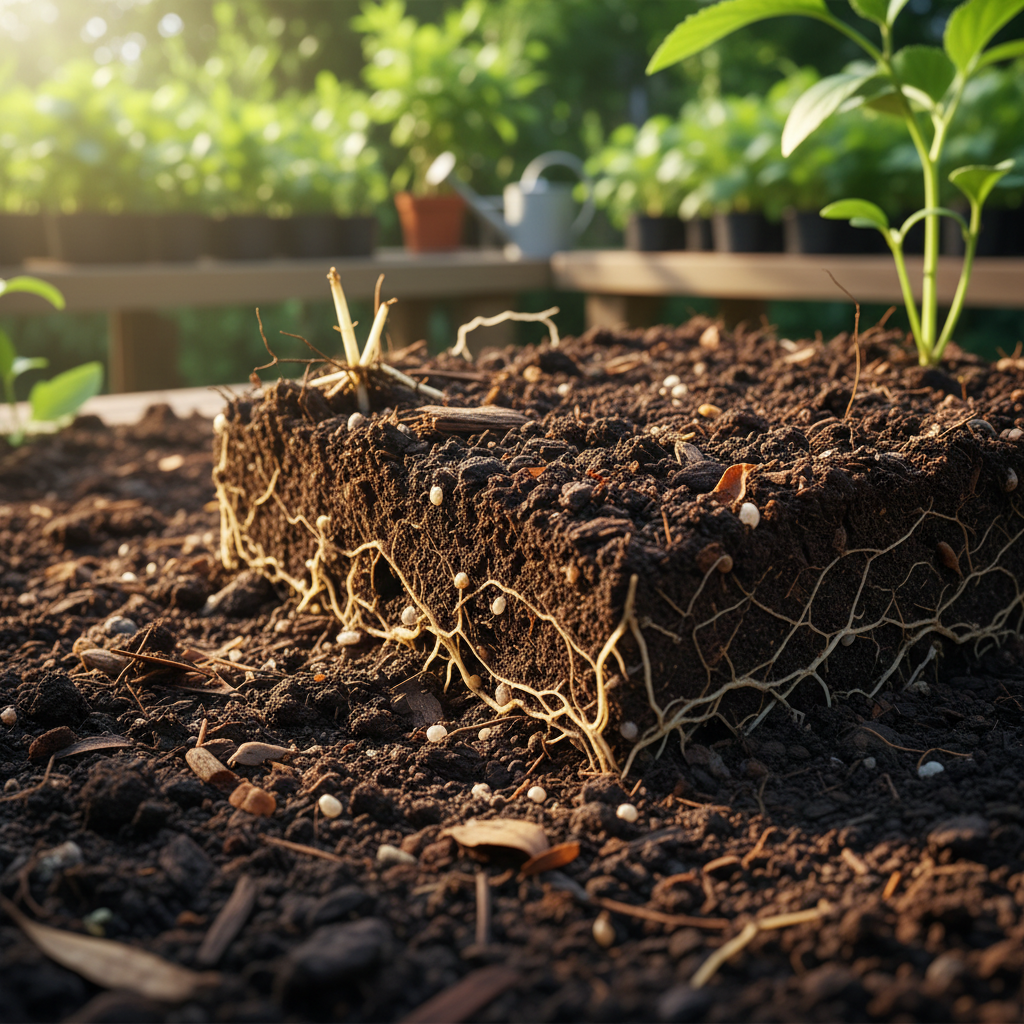
Achieving a reliable drip irrigation watering schedule Utah high desert trees shrubs need depends heavily on proper hardware configuration. In Scipio, the varied terrain introduces significant pressure challenges. Most drip components are designed to operate between 10 and 30 PSI. However, for every foot of elevation change on your property, water pressure shifts by approximately 0.433 PSI. A system that works perfectly at the top of a slope may blow out emitters at the bottom, or vice versa, necessitating the use of pressure regulators to maintain consistency across the entire zone.
Emitter placement must evolve as the landscape matures. For new installations, place emitters at the outer edge of the nursery root ball to ensure immediate hydration. As the plant grows, you must move these emitters outward toward the drip line, which is the area directly beneath the outer circumference of the branches. This transition encourages the root system to expand into the native Millard County soil rather than circling the original planting hole, which is vital for wind resistance.
Plant Type | Emitter Size | Quantity |
|---|---|---|
Perennials & Small Shrubs | 2 GPH | 1 to 2 per plant |
Large Shrubs | 2 to 4 GPH | 2 to 3 per plant |
Canopy Trees | 4 GPH | 4 or more spaced around the drip line |
If your layout includes steep grades or complex zoning, contact Scipio Plants for a technical evaluation. Proper hardware setup ensures that your investment in landscape services in Scipio yields a resilient, long-term outdoor environment.
Managing Secondary Water and System Maintenance
Many properties in Millard County utilize secondary water for irrigation, which presents a specific set of maintenance challenges. Unlike culinary water, secondary sources are often unfiltered and carry silt, algae, and fine sand from local reservoirs. In a drip system, these particles are the primary cause of failure, as they easily clog the small orifices of low-flow emitters. This debris can silently disrupt the drip irrigation watering schedule Utah high desert trees shrubs require to thrive, leading to localized drought stress even when the system appears to be running.
To protect your investment, a robust filtration setup is mandatory. We recommend installing a Y-filter or a disc filter with a 150 to 200 mesh screen at the zone's point of entry. Disc filters are particularly effective for Scipio residents because they handle organic debris better than standard mesh, though they still require manual cleaning at least once a month during the peak season.
Maintenance Task | Timing | Purpose |
|---|---|---|
Filter Cleaning | Monthly | Prevent sediment buildup and flow restriction. |
Main Valve Shut-off | Mid to late October | Avoid pipe bursts during the first hard freeze. |
Air Blow-out | Late October | Remove standing water from lateral lines. |
Because Scipio sits at 5,300 feet, winterization must happen before the first deep freeze, typically by mid to late October. After shutting off the main supply, use an air compressor to blow out the lines. Keep the pressure below 50 PSI to avoid damaging the poly-tubing or blowing emitters off the line. If you need assistance with filtration upgrades or seasonal startup, you can contact Scipio Plants to ensure your landscape services in Scipio remain efficient year after year.
Signs of Watering Stress in High Desert Plants
Maintaining hardware and filtration is vital, but observing the plants themselves provides the final confirmation of success. Even with a carefully calibrated drip irrigation watering schedule Utah high desert trees shrubs require, visual symptoms are your best guide for adjustment. Drought stress in Millard County typically manifests as wilting during the afternoon heat, followed by leaf scorch, where leaf margins become brown and brittle.
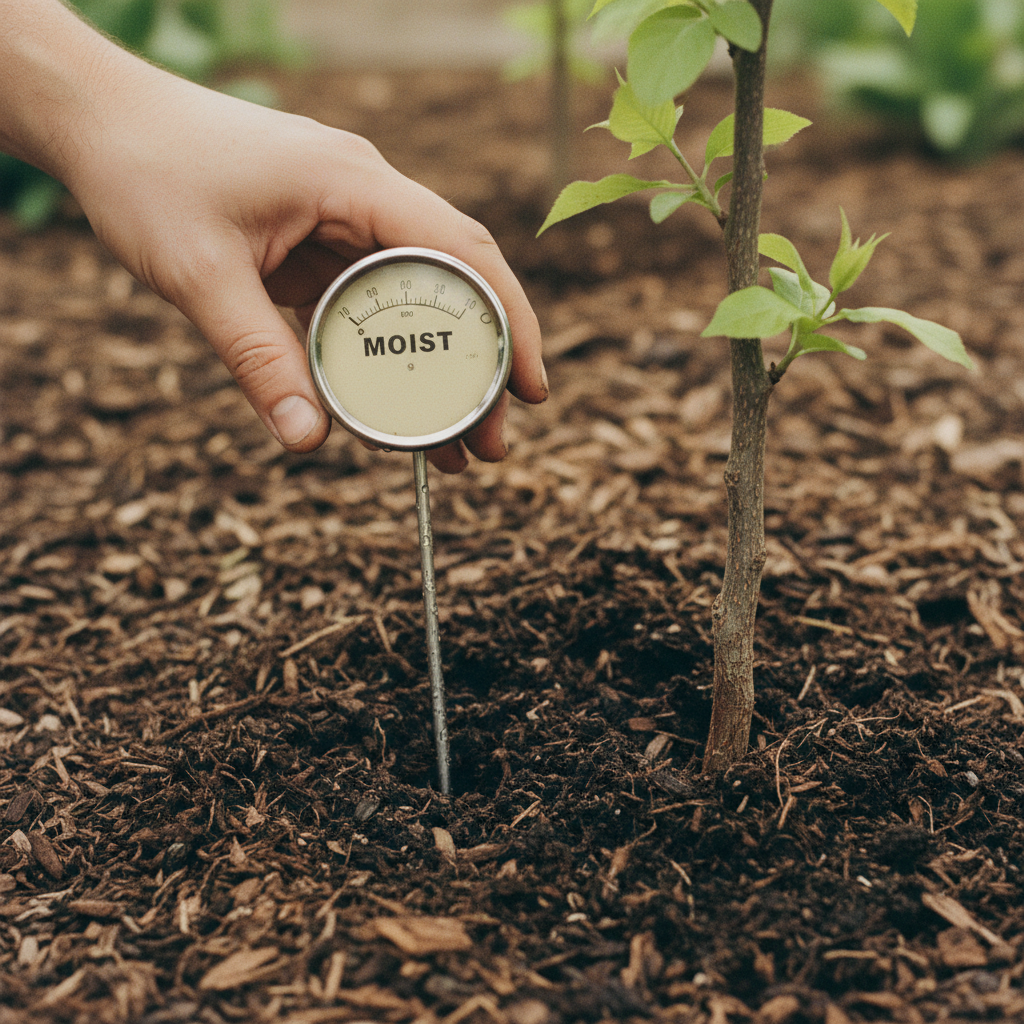
Overwatering, which is common in Scipio’s heavy clay, presents differently. Look for yellowing leaves that remain attached to the plant or soft, pliable stems that lack vigor. Because clay holds water so effectively, the soil surface often looks dry while the root zone is dangerously saturated. Using a moisture meter is highly recommended to verify soil conditions at a depth of 10 to 12 inches before activating your system. If symptoms persist despite adjustments, you can contact Scipio Plants to diagnose soil drainage issues. Proactive troubleshooting ensures your landscape services in Scipio lead to a resilient, long-lasting environment.
Establishing a consistent drip irrigation schedule is the most effective way to help your trees and shrubs survive the intense Utah sun. By focusing on deep watering and seasonal adjustments, you can build a resilient landscape that thrives in our high desert environment. If you want expert help maintaining your irrigation system or selecting the right greenery for your yard, you can learn more about how Scipio Plants supports local gardeners. We are dedicated to ensuring your outdoor space remains healthy and vibrant throughout the year.