Successful spring garden preparation Utah high desert begins in late February or March by sowing cold-hardy vegetables like spinach and peas followed by lettuce in early April. Gardeners should prioritize selecting native shrubs and perennials adapted to high elevations, such as elderberry or forsythia, while monitoring regional frost dates to time the planting of warm-season crops.
As the snow recedes from the Wasatch Front, Utah gardeners often face the frustration of a false spring. One week of warmth suggests it is time to plant, yet the inevitable high desert frost quickly follows to claim tender growth. At Scipio Plants, we understand that success in this unique climate requires more than just enthusiasm; it demands a precise, strategic approach to timing and soil management. Preparing your landscape for the coming season involves navigating our specific alkaline earth and unpredictable mountain weather patterns. In this guide, we will detail the essential steps for a resilient garden, including specific cleanup checklists, soil nutrition strategies, and irrigation startup protocols. You will also learn how to time your tree plantings and prune for maximum health, ensuring your high desert landscape thrives despite our challenging environment.
Understanding the Utah High Desert Spring Timeline

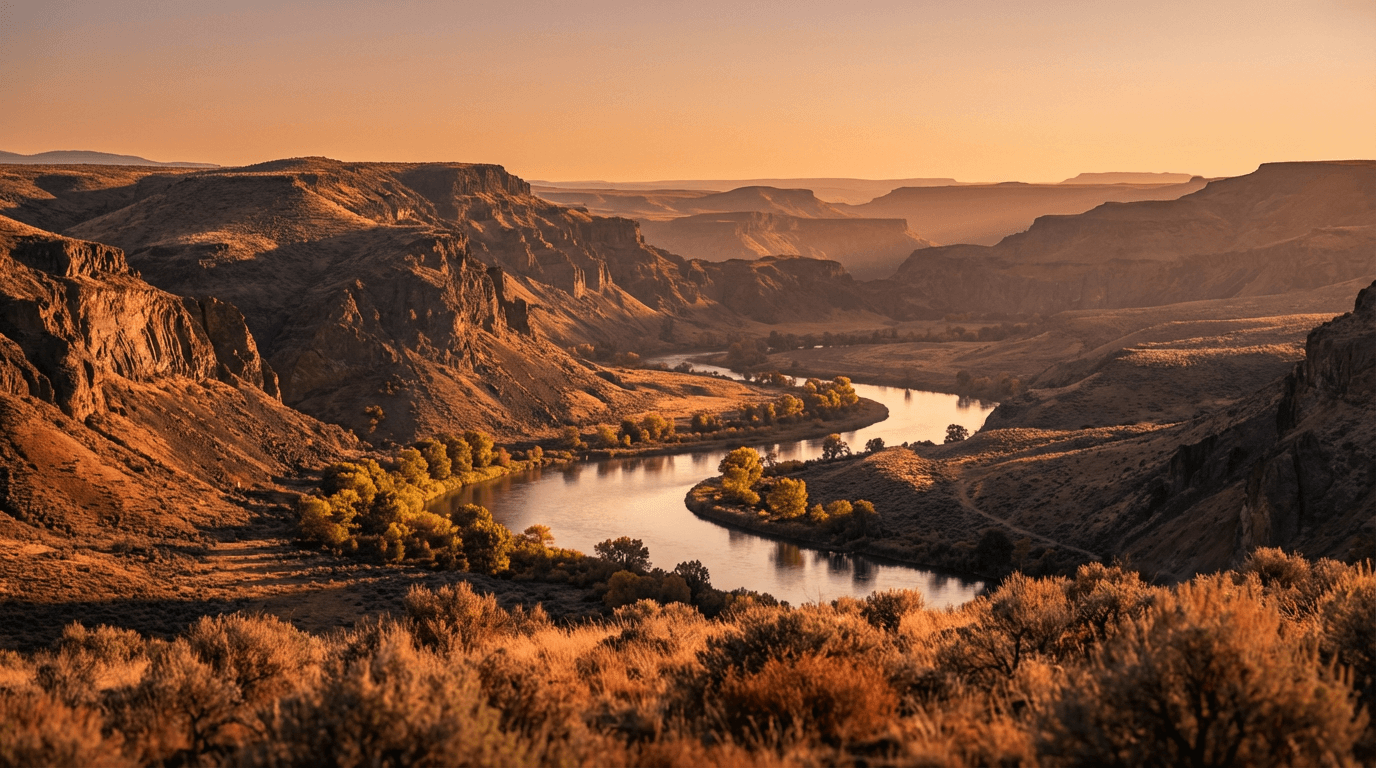
In Scipio and across Millard County, the arrival of spring is rarely a straight line. Residents often witness a "false spring" in late February or March, where a few days of intense high desert sun coax premature buds from fruit trees and perennials. Succumbing to the urge to plant during these warm spells is a common mistake. Because our elevation sits near 5,300 feet, we experience extreme diurnal temperature swings where a 60 degree afternoon can plummet to a hard freeze by midnight.
Data from the Utah State University (USU) Extension indicates that the average last frost date for our region typically falls in late May. However, microclimates dictated by local topography mean that property owners in higher draws may not see their final frost until mid June, while those in protected valley floors might be safe by late April. Relying solely on the calendar for spring garden preparation Utah high desert is risky.
A more reliable metric for success is monitoring soil temperature at a four inch depth. Even if the air feels balmy, the ground retains winter's chill far longer. Wait until your soil consistently reaches 45 to 50 degrees Fahrenheit before transitioning hardy shrubs or cool season vegetables into the ground. Cold, damp soil can lead to root rot or stunted growth in plants that would otherwise thrive. Investing in a simple soil thermometer provides the precision necessary for local plant sourcing and planting services to yield long term results in our challenging climate.
The Essential Spring Cleanup Checklist for Scipio Landscapes
Transitioning from monitoring soil temperatures to physical action requires a systematic approach to ensure plants emerge from dormancy without added stress. A disciplined cleanup is the cornerstone of effective spring garden preparation Utah high desert, ensuring your landscape is resilient enough to handle the rapid growth phase ahead. For Scipio residents, the first step involves clearing heavy debris deposited by winter storms. High desert winds and snow loads often leave broken branches and flattened ornamental grasses. Remove these large materials first, but exercise restraint with smaller leaf litter. Wait until daytime temperatures consistently exceed 50 degrees Fahrenheit before clearing the bottom layers of leaves; these provide critical habitat for overwintering pollinators and beneficial insects that will soon serve as your natural pest control.
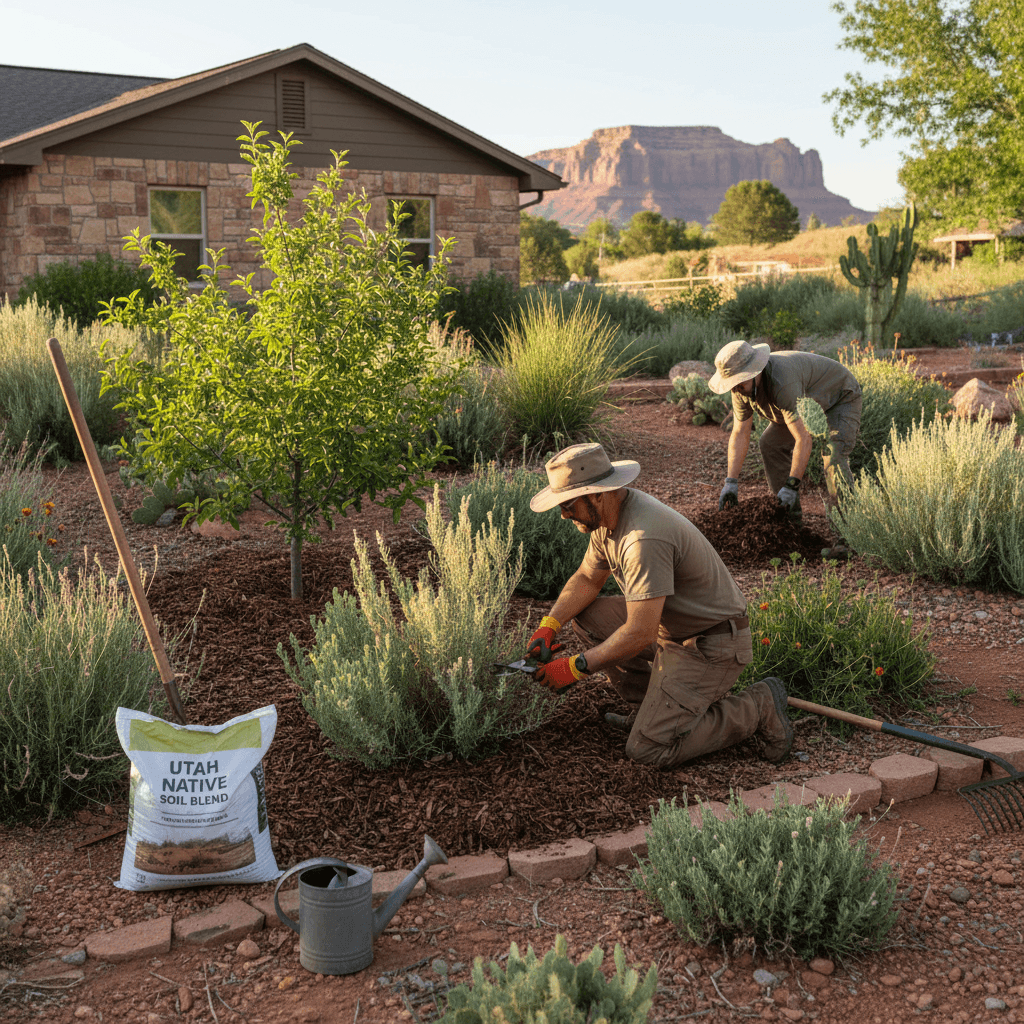
Next, focus on mulch management. Heavy snow often compresses wood chips or bark, creating a dense mat that traps moisture against plant crowns and encourages mold. Gently rake existing mulch to aerate it and improve oxygen flow to the root zones. This is particularly vital for soil preparation in Utah where drainage can already be a challenge in heavy clay areas.
When assessing shrubs for winter kill, look for brittle wood that snaps easily. Use a thumbnail or small knife to perform a scratch test on branches that appear dead; if you find green tissue beneath the bark, the plant is likely just slow to wake. For perennial beds, focus on removing last year’s dead stalks to make room for new growth. If you are preparing sites for new tree installations, clear a larger radius, at least three to four feet wide, removing all sod and weeds to minimize competition for moisture. This creates a clean slate for local plant sourcing and planting services to ensure your new additions have the best possible start in our rugged environment.
Soil Preparation and Nutrition for High Desert Success
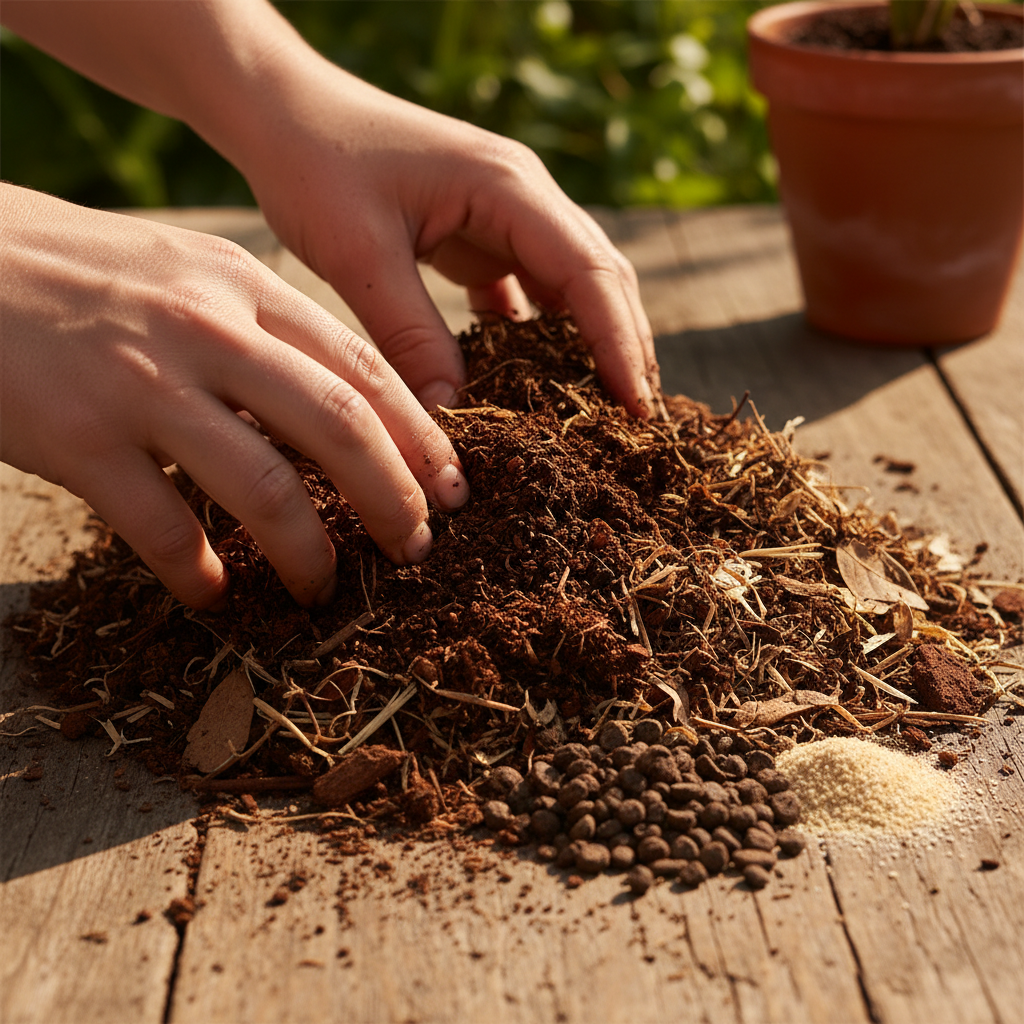
Cleaning and clearing are merely the prelude to the most critical task: addressing the chemistry of the ground. Scipio landscapes are defined by alkaline, heavy clay, or rocky soils that can be inhospitable to many species. Spring is the optimal window for professional soil testing. It provides a snapshot of nutrient availability before the frantic growth of May, allowing you to tailor your inputs specifically to what is missing. High pH levels in Millard County often lock up micronutrients like iron and manganese, leading to yellowing leaves or stunted growth.
To combat these local challenges, incorporate organic amendments like well rotted compost, aged manure, or sulfur based conditioners. These materials buffer the pH and improve the aeration of dense, rocky clay. When it comes to nutrition, a bifurcated approach works best. Established trees and shrubs require slow release organic fertilizers that provide a steady stream of nitrogen through the early summer. Conversely, annuals benefit from quick start nutrients that encourage rapid root establishment before the intense sun takes hold. Proper soil preparation in Utah creates a foundation for resilient plants, ensuring they have the biological support to withstand the dry spells ahead.
When to Plant Trees and Shrubs in the Utah High Desert
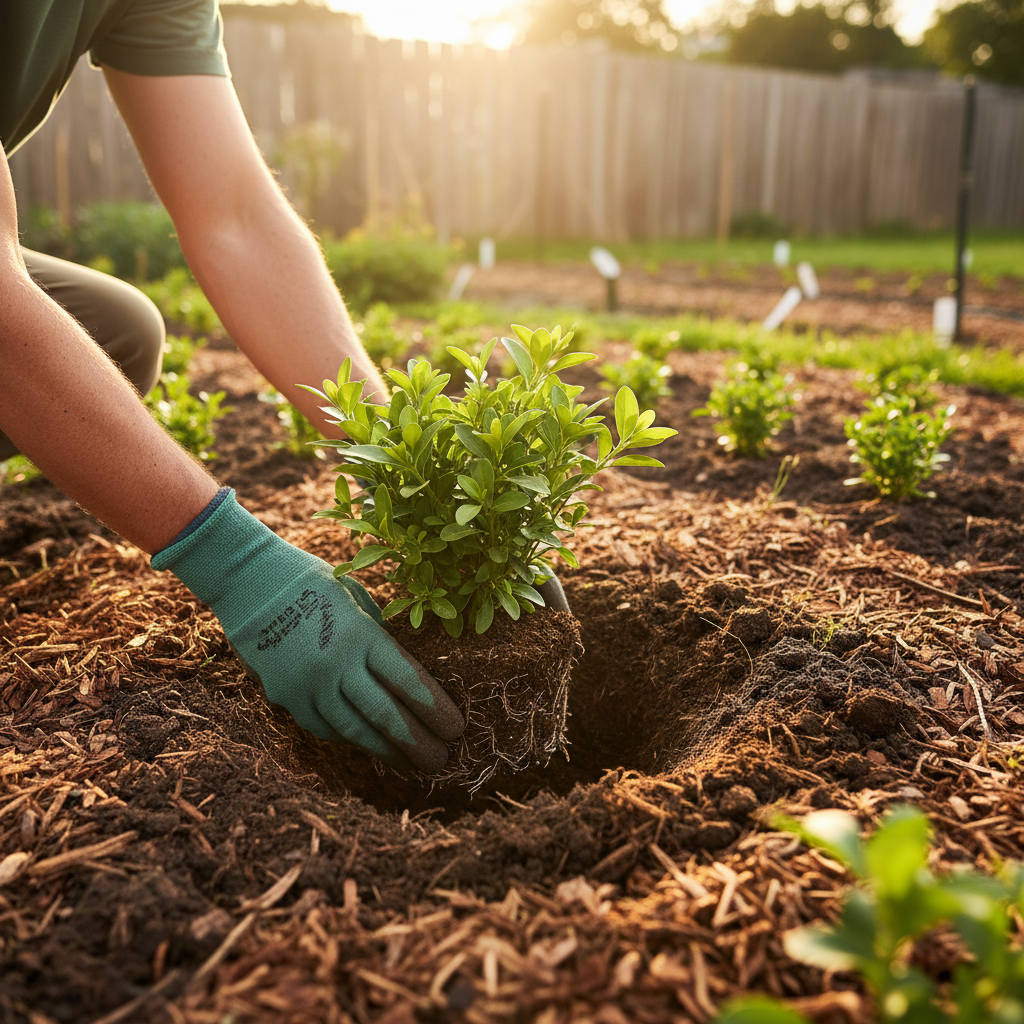
Choosing the right moment to put woody perennials in the ground involves balancing the threat of late freezes with the inevitable onset of summer heat. In Scipio, the perennial debate of spring versus fall planting leans heavily toward spring. While fall planting is viable, the unpredictable arrival of a hard October freeze can kill a young tree before it settles. Planting in the spring gives the specimen several months to develop a robust root system before the ground freezes again.
For those utilizing bare root stock, the window is narrow; aim for late March to mid April while the plants are still dormant. This allows them to wake up in their permanent home as the soil warms. Container grown plants provide more flexibility, but the goal remains to get them established before the high desert sun intensifies. When residents ask, "What is the best month to plant trees in Utah?", the answer for our 5,300 foot elevation is almost always April. This month offers the ideal intersection of manageable soil temperatures and moderate moisture.
As June approaches, the risk of sudden heat waves increases. To mitigate heat stress on new transplants, maintain a two to three inch layer of wood mulch and ensure deep, consistent watering that reaches the bottom of the root ball. Selecting resilient species is equally critical. Forsythia and various Honeysuckle Bush varieties are excellent choices for our region, as they tolerate alkaline soils and fluctuating temperatures with ease. Our local plant sourcing and planting services specialize in these hardy varieties to ensure your investment survives the transition from the nursery to the Scipio soil.
Early Spring Pruning and Plant Health Assessment
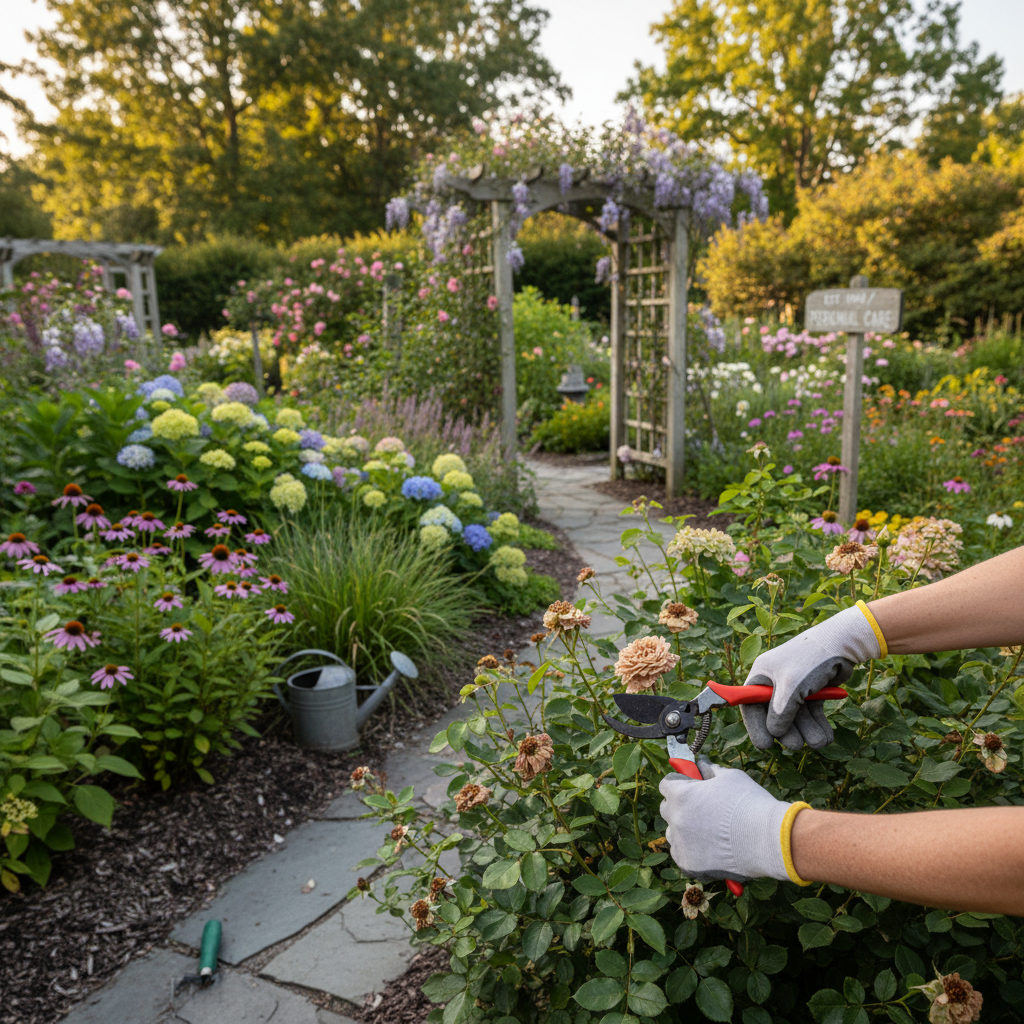
Pruning in Scipio requires a discerning eye before the sap begins to flow in earnest. Focus your efforts on the three Ds: dead, damaged, and diseased wood. High desert winds often cause structural damage that remains hidden until you inspect the interior canopy. Look for branches that have rubbed together, creating open wounds that invite pathogens, or limbs that have snapped under the weight of late season snow. Sharp, sterilized shears are essential to ensure clean cuts that heal quickly as the plant wakes up.
Distinguishing between a plant in deep dormancy and one that has succumbed to the winter is vital for effective spring garden preparation Utah high desert. Beyond the scratch test, look for bud development. Healthy deciduous trees will show slight swelling or a subtle change in bud color as temperatures rise, even if no green is visible yet. If a branch snaps cleanly like a dry cracker and shows no internal moisture or flexible fiber, it is likely dead and should be removed to redirect the plant's energy.
This is also the time to scout for overwintering pests. Inspect the bark of fruit trees and ornamental shrubs for the protective waxy shells of scale insects or the tiny, shiny black eggs of aphids tucked into the crotches of new wood. Addressing these issues early prevents a population explosion when the heat of May arrives. If a specimen shows significant dieback beyond recovery, our local plant sourcing and planting services can help identify hardier replacements better suited for your specific microclimate.
Waking Up Your High Desert Irrigation System
After addressing structural pruning and pest concerns, turn your attention to the hardware that sustains your landscape through the arid months. In Scipio, waking up your irrigation system requires more than just turning a valve; it requires a systematic inspection for winter damage. Walk your property and check every drip line for cracks caused by the freeze-thaw cycles. Pay close attention to emitters for white, crusty mineral buildup. This salt and calcium accumulation is common in Utah water sources and can completely block flow to individual plants. Use a needle to clear small clogs or soak removable emitters in a mild vinegar solution to dissolve the deposits.
Resist the urge to saturate the ground as soon as the frost leaves the air. A successful drip irrigation watering schedule should reflect current soil conditions rather than just the afternoon heat. Start with light, infrequent watering cycles in mid to late April when the soil is still cool. Overwatering during this period is a frequent error that leads to root rot, especially in our heavy clay soils where drainage is slow. As the high desert sun intensifies and transpiration rates increase in May, gradually ramp up your frequency. This phased approach allows roots to breathe while supporting the flush of new spring growth.
Protecting Tender Growth from Late Spring Frosts
Patience is the defining virtue of spring garden preparation Utah high desert. A sudden late May frost, often called the killer frost, can easily destroy weeks of progress in a single night. To safeguard tender new shoots, keep heavy weight frost blankets or breathable burlap on hand. Avoid using plastic directly against foliage, as it traps moisture and conducts cold, which can lead to localized tissue death.
Furthermore, delay applying high nitrogen fertilizers until the threat of frost has passed. Forcing rapid, succulent growth in early May only makes plants more vulnerable to plummeting temperatures. When planning new additions through local plant sourcing and planting services, prioritize planting sites that offer natural wind protection from the north and west. These microclimates often provide the critical few degrees of warmth needed to survive a surprise midnight freeze while the rest of the valley floor remains exposed.
Preparing your Utah high desert garden for the spring season requires a careful balance of timing and soil preparation. By focusing on moisture retention and frost protection now, you set the stage for a lush, resilient landscape that can withstand the coming summer heat. If you find the unique demands of our local climate challenging, expert assistance is always available. You can learn more about our specialized services and team to discover how we can help your garden flourish this year.