Protecting trees and shrubs from winter damage in Utah involves applying deep mulch to insulate root zones and watering on warm days when the ground is not frozen. These methods prevent dehydration and shield plants from the extreme temperature fluctuations of the high desert climate.
As the first frost settles over the Wasatch Front, many Utah homeowners worry about the survival of their landscape through the biting cold. The high desert environment is notoriously unforgiving; the combination of desiccating winds and fluctuating temperatures can be lethal to even the hardiest species. Watching a carefully nurtured tree succumb to winter burn or heavy snow load is a frustrating setback for any dedicated gardener. At Scipio Plants, we understand that successful overwintering requires a strategic approach tailored to our unique climate. In this guide, we examine the essential techniques for protecting your horticultural investment. We will explore the vital role of deep winter watering for evergreens, the science of insulating root systems through proper mulching, and methods for shielding vulnerable bark from hungry wildlife. By implementing these professional strategies, you ensure your landscape emerges vibrant and healthy when the spring thaw finally arrives.
Understanding the Unique Challenges of Utah High Desert Winters
Scipio and the surrounding landscapes of Millard County present a rigorous environment for landscaping that many standard gardening guides fail to address. While growers in more humid climates focus primarily on the lowest temperature a plant can withstand, protecting trees shrubs winter damage Utah requires a deeper understanding of our high desert trifecta: extreme temperature fluctuations, intense winter sun, and desiccating winds.
In the high desert, the thermometer can swing 40 degrees in a single day. A bright, sunny afternoon might warm tree bark enough to activate cells, only for a sudden sunset freeze to rupture those tissues. This process, often leading to sunscald or frost cracks, is exacerbated by our thin atmosphere and high elevation. The winter sun here is exceptionally intense; it reflects off snow cover and hits the south facing sides of plants with surprising heat.
Furthermore, our constant winter winds act as a giant vacuum, pulling moisture out of evergreen needles and deciduous twigs. Because the ground is often frozen, the roots cannot replenish this lost water. This leads to winter desiccation, a state where the plant effectively dies of thirst rather than cold. Recognizing that winter damage is frequently a result of dehydration and solar radiation, rather than just a low temperature reading, is the first step in successful property enhancement. Effective soil preparation and health during the growing season sets a foundation, but specialized winter tactics are necessary to see your investment through to spring.
The Critical Role of Winter Watering for Evergreens and Newly Planted Trees
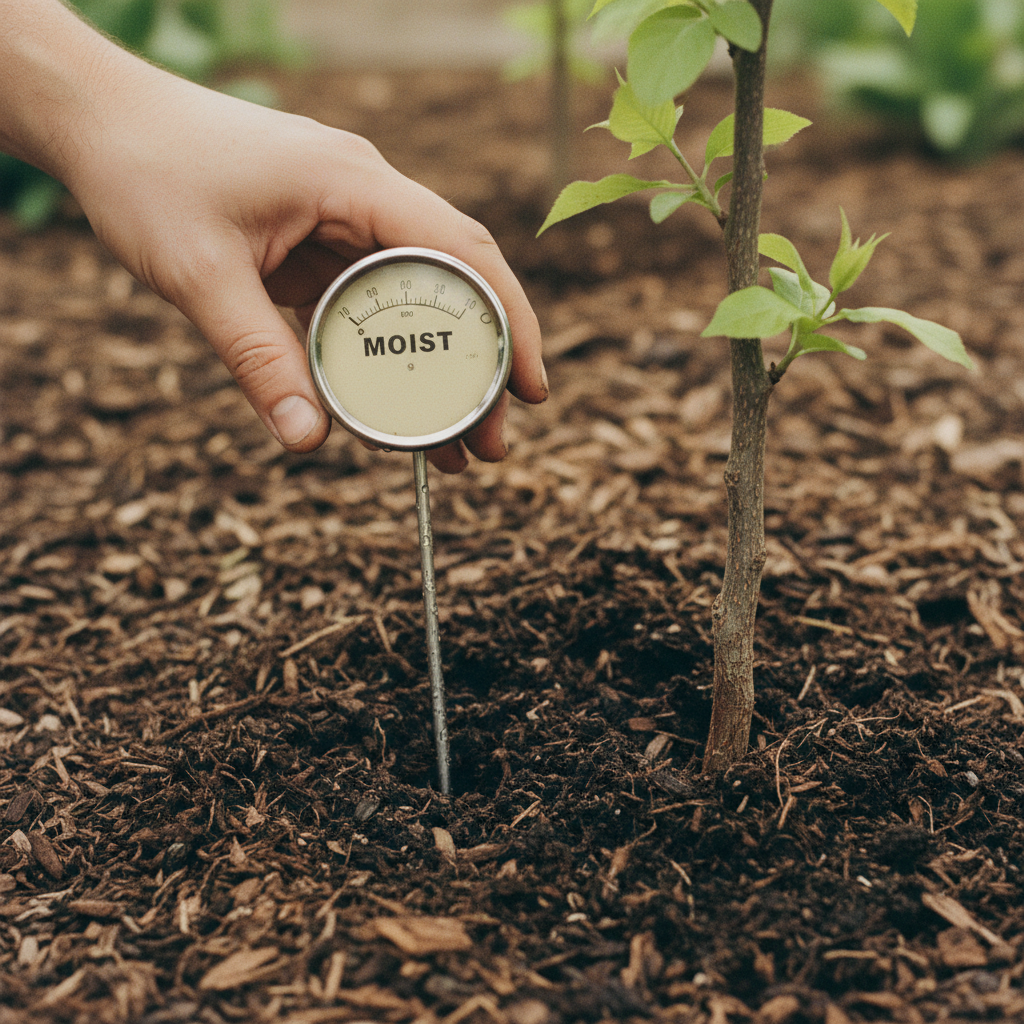
Addressing the hydration gap is one of the most effective methods for protecting trees shrubs winter damage Utah residents can implement. A common question we encounter is, "Do trees soak up water in winter?" The answer is a qualified yes. While deciduous trees enter a state of dormancy, their root systems remain active until the soil temperature drops significantly. Evergreens are even more demanding; they continue to transpire moisture through their needles year round. In our Scipio climate, the combination of low humidity and persistent wind causes evergreens to lose moisture faster than they can pull it from cold soil, a process known as winter desiccation.
To combat this, start with a deep, saturating soak in late October or early November, well before the first hard freeze. This ensures the root zone is fully hydrated as the plant enters the harshest months. Proper soil preparation and health ensures that when you do water, the moisture reaches the root zone effectively rather than running off the frozen surface.
Once winter begins, you should not stop watering entirely. Instead, monitor for "thaw" periods. At what temperature should you stop watering trees? Generally, you should pause watering when the ground is frozen solid or when air temperatures are below 40 degrees Fahrenheit. If we experience a dry spell with temperatures above that 40 degree threshold, providing supplemental water is vital. The needs of your plants will vary based on their maturity:
Tree Type | Watering Frequency (Winter Thaw) | Primary Goal |
|---|---|---|
Established Deciduous | Monthly (if no snow cover) | Prevent root dieback |
Established Evergreen | Every 3 to 4 weeks | Replace transpired moisture |
Newly Planted (Year 1 to 2) | Every 2 weeks during thaws | Support critical root establishment |
Newly planted specimens require significantly more attention than established ones. An established tree has a root system capable of reaching deeper moisture reserves, but a tree planted within the last two seasons has a limited reach and is highly susceptible to the drying Scipio winds. For these young plants, consistent hydration is the difference between spring budding and terminal failure. If you are unsure about your site's specific needs, our plant maintenance services can help establish a custom schedule for your landscape.
Effective Mulching Strategies to Insulate Root Systems
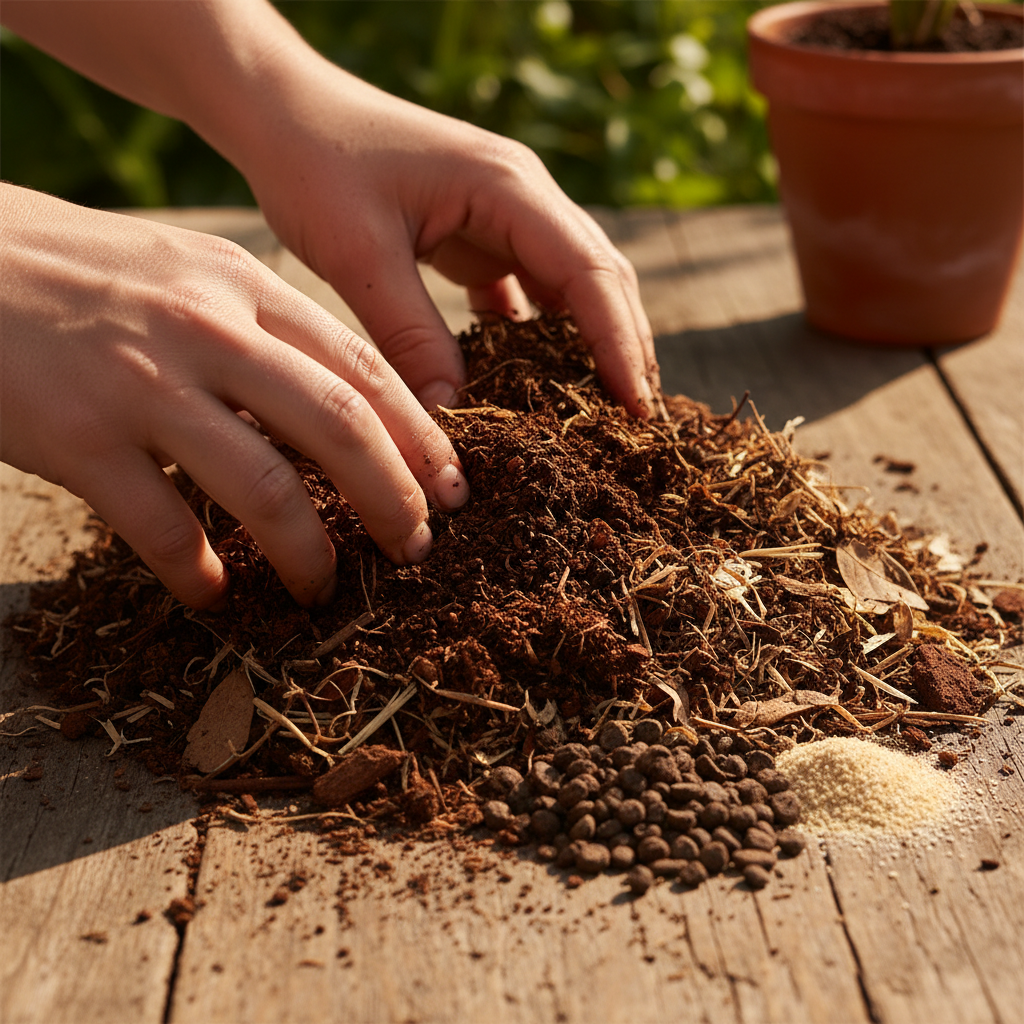
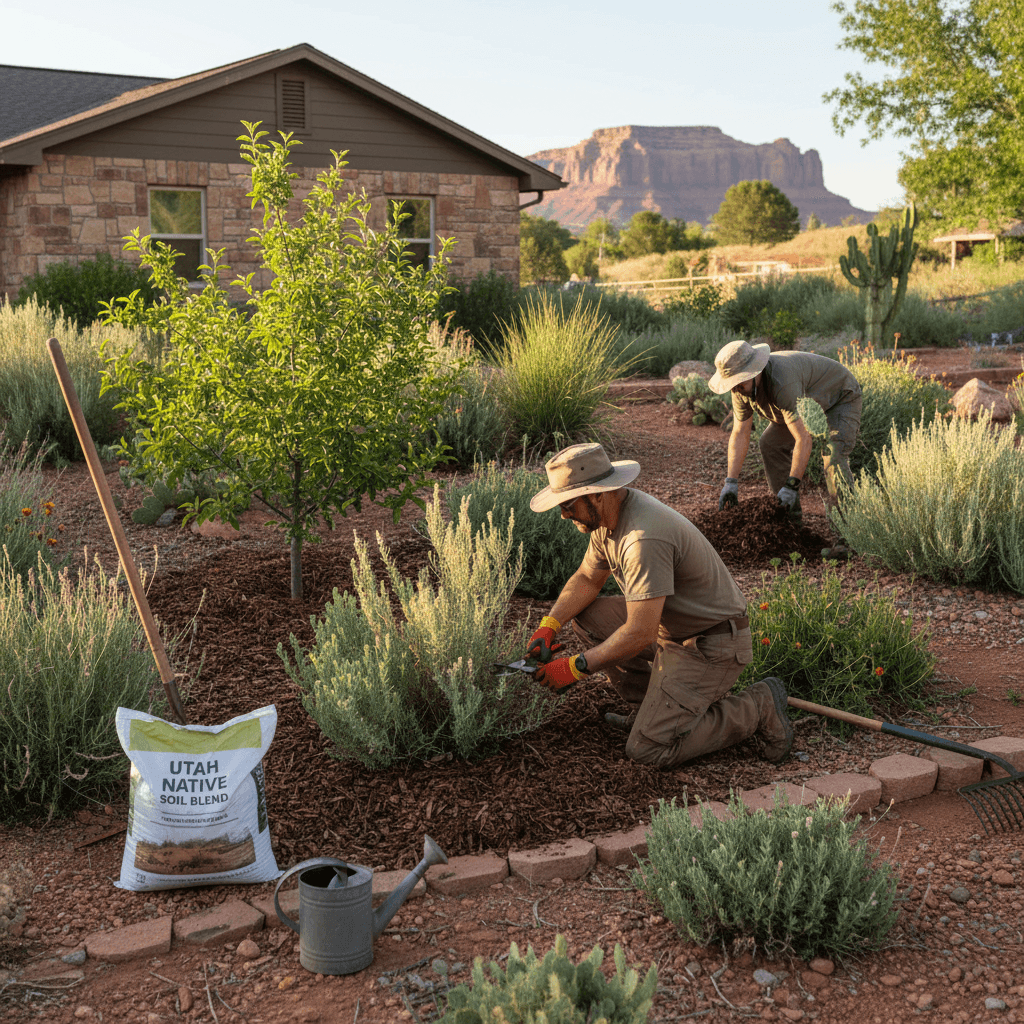
While watering provides the necessary hydration, mulching is what keeps that moisture in place and protects the root system from Millard County's volatile temperature swings. Think of a 3 to 4 inch layer of organic mulch, such as wood chips or shredded bark, as a thermal blanket for the soil. This insulation is vital for protecting trees shrubs winter damage Utah landscapes often face during extreme cold snaps. By stabilizing soil temperatures, mulch prevents the destructive freeze-thaw cycles that lead to frost heaving, a process where the soil expands and contracts so violently it can physically eject newly planted trees or shrubs from the ground.
Proper placement is as important as the material itself. We recommend the donut method: spread mulch in a wide circle around the base of the plant but ensure it does not touch the trunk or main stems. Leave a gap of two to three inches of bare soil immediately surrounding the bark. Mounding mulch against the trunk, often called volcano mulching, creates a moist environment that invites fungal rot and provides a hidden nesting site for rodents that might gnaw on the bark. This strategy works best when integrated with overall soil preparation and health, ensuring the root zone remains resilient until the spring thaw arrives.
Physical Protection: Wrapping and Screening for Vulnerable Species
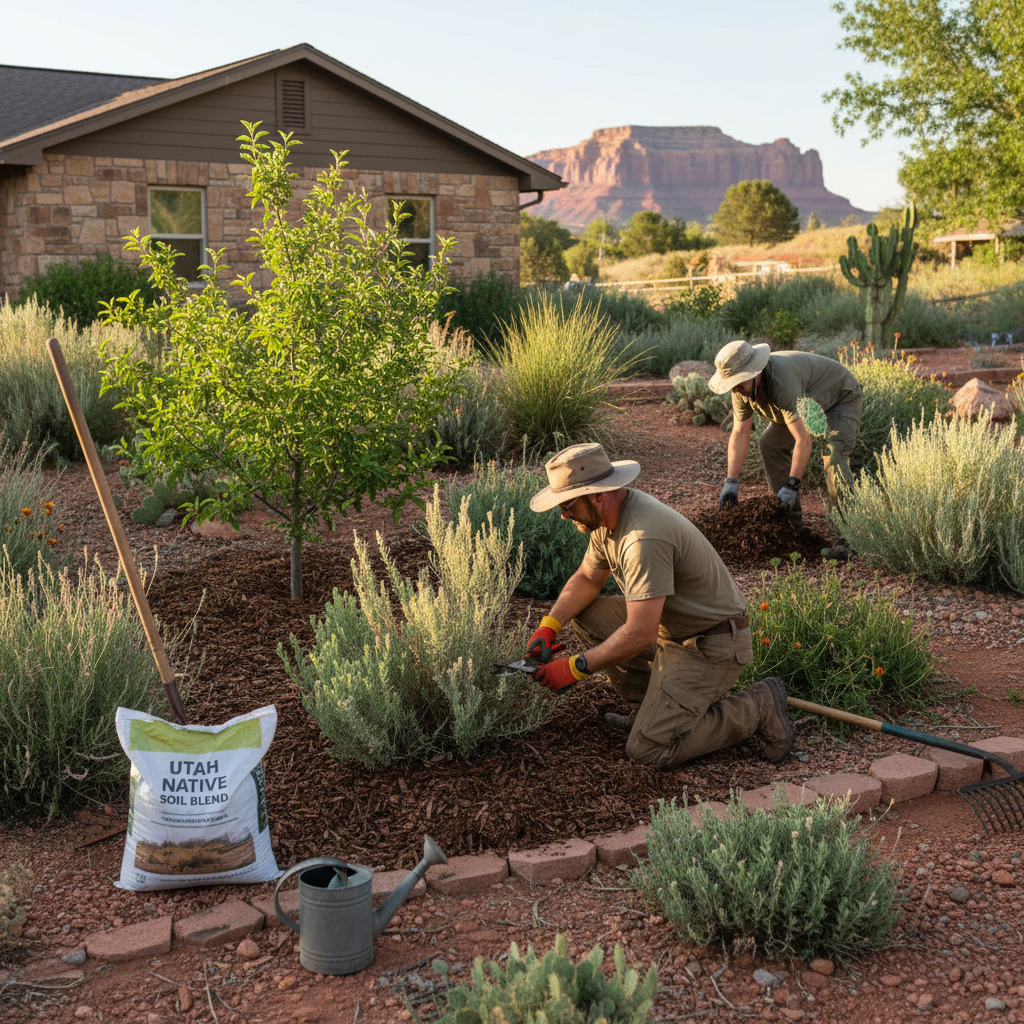
For thin-skinned deciduous trees like Maples, Honey Locusts, and young Fruit trees, protecting trees shrubs winter damage Utah landscapes experience requires shielding the trunk from the southwest injury. During clear Scipio afternoons, the intense sun warms the south-facing bark, only for it to freeze instantly at sunset. This thermal shock causes the bark to split or die, leaving the tree vulnerable to pests and disease.
To wrap a tree correctly, follow these steps: 1. Purchase a light-colored, breathable paper tree wrap. Light colors reflect the sun, while dark colors absorb heat and worsen the problem. 2. Begin at the base of the tree, slightly below the soil line. 3. Wrap upward in a spiral, overlapping each layer by about an inch. This creates a shingle effect that sheds water rather than trapping it against the bark. 4. Stop just below the first set of major branches. 5. Secure the wrap with weather-resistant tape, ensuring the tape adheres only to the wrap and not the bark to avoid girdling as the tree grows.
If you are wondering how to wrap your bushes for winter, particularly broadleaf evergreens like Boxwoods or sensitive Junipers, the best approach is a burlap screen rather than a tight mummy wrap. Driving three wooden stakes into the ground on the windward (usually north and west) sides of the shrub allows you to staple burlap to the stakes. This creates a windbreak that blocks desiccating gusts while allowing for air circulation. If you must wrap a shrub directly, use twine to bundle branches loosely first, then drape burlap over the top, securing it at the base. Always remove these protections in late March to prevent heat buildup and potential fungal issues. For those with extensive landscapes, our plant maintenance services include seasonal preparation to ensure every specimen is properly shielded.
Mitigating Snow Load and Ice Damage on Shrubs
Beyond wind and sun, the physical weight of heavy, wet snow is a primary concern for protecting trees shrubs winter damage Utah landscapes endure. In Scipio, a single storm can dump enough moisture to splay or split multi-stemmed shrubs, such as upright Junipers or Arborvitae. Once a shrub loses its structural integrity due to heavy snow load, the separation of the stems can become permanent, ruining the plant's natural form.
To prevent splitting, loosely tie the main stems together using soft garden twine or specialized plastic netting. Start at the base and wrap upward in a spiral, securing the branches into a single, cohesive column. The goal is not to compress the foliage, which can trap moisture and lead to fungal issues, but to ensure the branches support one another against gravity.
After a significant snowfall, resist the urge to shake the branches or hit them with a shovel. Frozen wood is extremely brittle; aggressive shaking often snaps limbs that might have otherwise recovered. Instead, use a soft broom to gently brush the snow away. Always brush in an upward motion. Brushing downward adds to the weight already straining the branch and can lead to immediate failure. If a limb does crack despite these efforts, specialized pruning trees and shrubs in the spring will be necessary to prevent further decay. For larger properties, our plant maintenance services include structural support strategies tailored for these high desert conditions.
Protecting Newly Planted Trees from Wildlife and Rodents
In Scipio, the onset of winter transforms your landscape into a primary food source for hungry wildlife. When deep snow covers native grasses, the tender, nutrient-rich bark of newly planted trees becomes an essential meal for voles, rabbits, and deer. Protecting trees shrubs winter damage Utah properties experience must include a defense against animal browsing, as a single night of feeding can girdle a young tree and lead to terminal failure.
To safeguard the base of your trees from rodents, install cylinders made of 1/4 inch mesh hardware cloth. This barrier should extend at least 18 inches above the highest expected snow line; it must also be buried two to three inches into the soil to prevent voles from tunneling underneath the guard. For larger threats like deer, specialized plastic tree guards or tall wire fencing are necessary to prevent both browsing and "buck rub," which occurs when deer scrape antlers against young trunks and destroy the cambium layer. If you have extensive acreage or multiple new plantings, our plant maintenance services can assist in installing these physical barriers correctly to ensure your investment remains intact until the spring thaw.
Scipio Plants Expert Tips for Spring Recovery

Once the threat of animal browsing subsides and the ground begins to thaw, your focus shifts from protection to recovery. The first step is a thorough visual inspection as the snow recedes. You may notice winter burn on your evergreens, where needles appear scorched or brown on the side facing the prevailing winds. It is crucial to remain patient; often, the interior buds remain alive even when the outer foliage looks spent.
Avoid the temptation to cut back damaged areas immediately. We recommend waiting until new growth begins to emerge, typically in late spring for Millard County, before you start pruning trees and shrubs. This ensures you are only removing wood that is truly dead rather than cutting away viable branches. While consistent care is vital for protecting trees shrubs winter damage Utah climates inflict, long term success starts with genetics. Scipio Plants specializes in providing resilient, locally adapted specimens designed to handle our high desert swings. If you are unsure about a plant's health after a hard season, our plant maintenance services can provide the expert assessment needed to restore your landscape's vitality.
Preparing your landscape for the harsh Utah winter requires a proactive approach to mulching, wrapping, and proper watering. These simple steps ensure your greenery survives the cold and thrives when spring arrives. While many homeowners enjoy this seasonal work, managing the unique demands of the high desert can sometimes feel overwhelming. If you want expert help maintaining your outdoor space, you can learn more about the team at Scipio Plants. We are here to help your landscape flourish through every season.