Fall planting Utah high desert trees shrubs fruit trees is most effective when completed at least six weeks before the first hard frost, typically during September or October. This timing allows root systems to establish in cooling soil before winter dormancy; it also gives hardy varieties like Honeycrisp apples and native shrubs a head start over spring weeds.
In the high desert of Central Utah, gardeners often feel they are racing against the scorching summer sun, only to lose young saplings to the sudden, intense heat. This seasonal cycle of planting in the spring and praying for survival through July is exhausting and often unsuccessful. However, the cooling temperatures of autumn present a strategic window that most homeowners overlook. By planting in the fall, you allow roots to establish in warm soil without the physiological stress of high evaporation rates. This guide explores the essential timing for the Scipio region, identifies the most resilient shade and fruit tree varieties for high elevations, and provides a step by step approach to preparing your soil for the winter dormancy ahead. You will learn how to turn the quiet months into a period of robust growth for a landscape that thrives next spring.
Why Fall is the Strategic Season for Utah's High Desert Landscapes
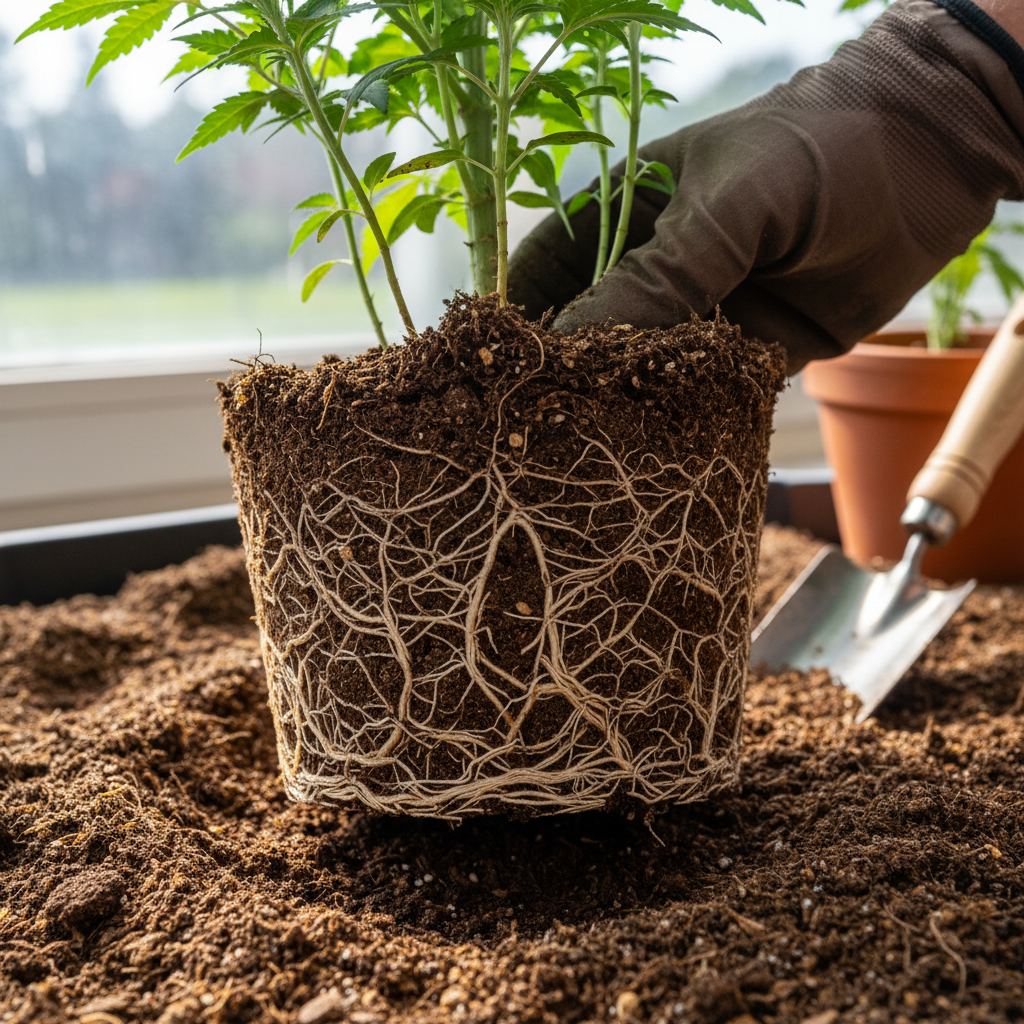
In the high desert of Central Utah, gardeners often prioritize spring for new additions, but the biological reality of our climate makes autumn the superior strategic choice. Successful fall planting for Utah high desert trees, shrubs, and fruit trees relies on a unique environmental intersection: warm soil temperatures paired with cooling ambient air. This combination allows a plant to shift its metabolic focus. Instead of expending energy to push new foliage or flowers, the plant directs its resources underground.
This period, known as the root establishment window, is the time between late summer and the moment the ground freezes solid. During these weeks, the warm soil encourages rapid root development. Because the air is cool, the plant experiences minimal water loss through its leaves, a process called transpiration. This lack of atmospheric stress allows the root system to expand significantly without the immediate pressure of sustaining a lush canopy or enduring the intense 100 degree heat that arrives all too quickly in a Utah summer.
Plants that utilize this window enter the winter dormancy period with a far more robust anchor. By the time the following July arrives, a fall-planted tree has already spent months developing the deep vascular system necessary to pull moisture from the earth. While spring-planted specimens are often struggling just to survive their first summer, fall-planted varieties are already resilient and established. To maximize these biological advantages, proper soil preparation in Utah is essential to ensure the roots can penetrate local clay and rock efficiently. If you are planning a large-scale project, our team provides professional planting and growth support to ensure your investment thrives through its first winter.
Timing the Frost: When to Plant in Scipio and Central Utah
Determining the best month to plant trees in Utah requires looking beyond general statewide calendars. For Scipio and surrounding high desert areas, the ideal window typically spans from early September through mid November. While gardeners in the Salt Lake Valley or lower Northern Utah elevations might successfully plant well into late November, our higher elevation results in a shorter season. The ground here cools more rapidly, meaning the clock starts ticking sooner for root development.
The critical metric for fall planting Utah high desert trees shrubs fruit trees is not the first frost, which affects only the foliage, but the hard freeze of the soil. You should aim to have your plants in the ground at least six weeks before the soil freezes solid. This period ensures the root system has sufficient time to integrate with the surrounding earth while the soil is still workable.
Regarding the common concern of whether it is too late to plant shrubs in October, the answer is a definitive no. October is often the peak time for success in Central Utah, provided you maintain rigorous watering schedules and ensure proper mulching to insulate the root zone against temperature spikes. If you are uncertain about the specific hardiness of a species for a late season start, contact our horticultural experts for site specific guidance on your property's microclimate.
Top Shade and Ornamental Trees for High Elevation Resilience
Selecting the right species for fall planting Utah high desert trees shrubs fruit trees involves moving away from the generic stock found at big box retailers. Trees shipped in from out of state are often raised in high humidity and acidic soils. Once placed in Scipio, these plants often struggle with our heavy alkalinity and the relentless high desert gusts. Locally acclimated species are far better prepared for the physiological demands of our region.
The Gambel Oak is a premier choice for its deep root system and incredible drought tolerance. For those seeking vibrant fall color without the iron chlorosis issues common in Eastern maples, the Bigtooth Maple is the gold standard for our canyons and valleys. If you need year round structure and a formidable windbreak, the Blue Spruce offers the necessary density to withstand significant gusts while thriving in our intense ultraviolet light. These species are structurally designed to handle the weight of early or late season snow without the limb breakage seen in softer, fast growing ornamental trees.
Property owners should follow the 10-20-30 rule to ensure long term landscape resilience. This guideline suggests that a landscape should consist of no more than 10 percent of any single species, 20 percent of one genus, and 30 percent of one family. This diversity protects your investment against widespread pest infestations or host specific diseases. Selecting a mix of these resilient varieties ensures that even if one species faces a biological challenge, the rest of your canopy remains intact. If you are designing a large scale windbreak or woodlot, you can contact our horticultural experts to develop a planting plan that balances aesthetics with biological security.
Hardy Shrubs That Establish Quickly Before Winter
While trees provide the upper canopy, hardy shrubs offer the essential structure and low level windbreaks necessary for a functional high desert landscape. Selecting species like Serviceberry, Rabbitbrush, and Fernbush ensures your property benefits from plants that have evolved to thrive in our specific conditions. Serviceberry provides multi season interest with spring blooms and edible fruit; meanwhile, Rabbitbrush offers late season color and incredible hardiness in lean soils. Fernbush is particularly valued for its aromatic, textured foliage and its ability to withstand intense sun and desiccating winds.
These native leaning options are naturally adapted to the alkaline soil common in the Scipio area, which often eliminates the need for the aggressive pH adjustments required by non native species. Using the autumn window for fall planting Utah high desert trees shrubs fruit trees is particularly effective for shrubs because it drastically reduces transplant shock. By placing these plants in the ground as the season cools, the root system can expand into the surrounding soil without the stress of high evaporation rates or the heavy energy demands of new foliage growth.
Shrubs sourced from Scipio Plants arrive with established root systems that have already been acclimated to local climate fluctuations, giving them a significant head start over mass produced alternatives. If you need assistance determining the best placement for a functional windbreak, you can contact our horticultural experts for a site evaluation. Proper soil preparation in Utah remains the best way to ensure these hardy shrubs anchor deeply before the ground freezes.
Selecting Fruit Trees for High Elevation Orchards
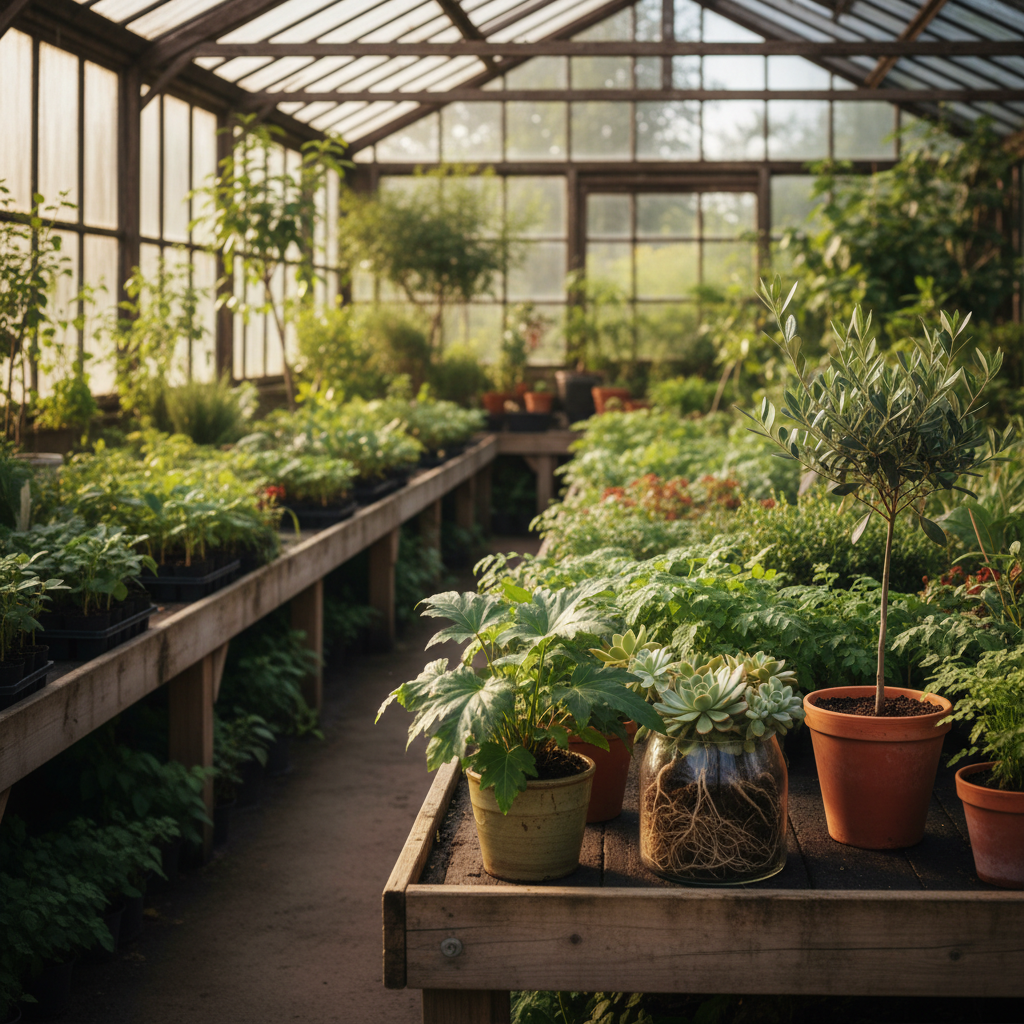
Establishing a productive home orchard follows the same principles of root development as ornamental species, but the selection process requires even greater scrutiny of bloom timing. When clients ask which fruit trees grow best in Utah, particularly in our high mountain valleys, the answer focuses on a combination of cold hardiness and late season blooming. Cultivars such as Honeycrisp and Gala apples are excellent choices because they withstand our winter lows and produce consistent yields. Montmorency sour cherries are exceptionally hardy staples for Scipio, and Bartlett pears remain a reliable producer for local growers when properly sited.
The primary challenge in high elevation orchards is often not the winter cold, but the erratic spring weather. Late blooming varieties are critical for success; these trees remain dormant longer, avoiding the late spring frosts that frequently kill the blossoms of early blooming peaches or apricots. If a tree blooms too early during a brief warm spell, the fruit crop can be lost for the entire year, regardless of the plant's overall health.
Successful fall planting Utah high desert trees shrubs fruit trees also depends on the invisible half of the plant: the rootstock. In Scipio, our soils are frequently heavy with clay or interspersed with rock. Selecting fruit trees grafted onto vigorous, adaptable rootstocks ensures the tree can anchor itself and access nutrients in challenging conditions. For example, rootstocks that tolerate heavier soils prevent the root rot issues common in standard varieties. If you need help matching a cultivar to your specific site or want to ensure your soil is ready, you can contact our horticultural experts to build an orchard on a resilient foundation.
Step-By-Step Fall Planting for High Desert Soil
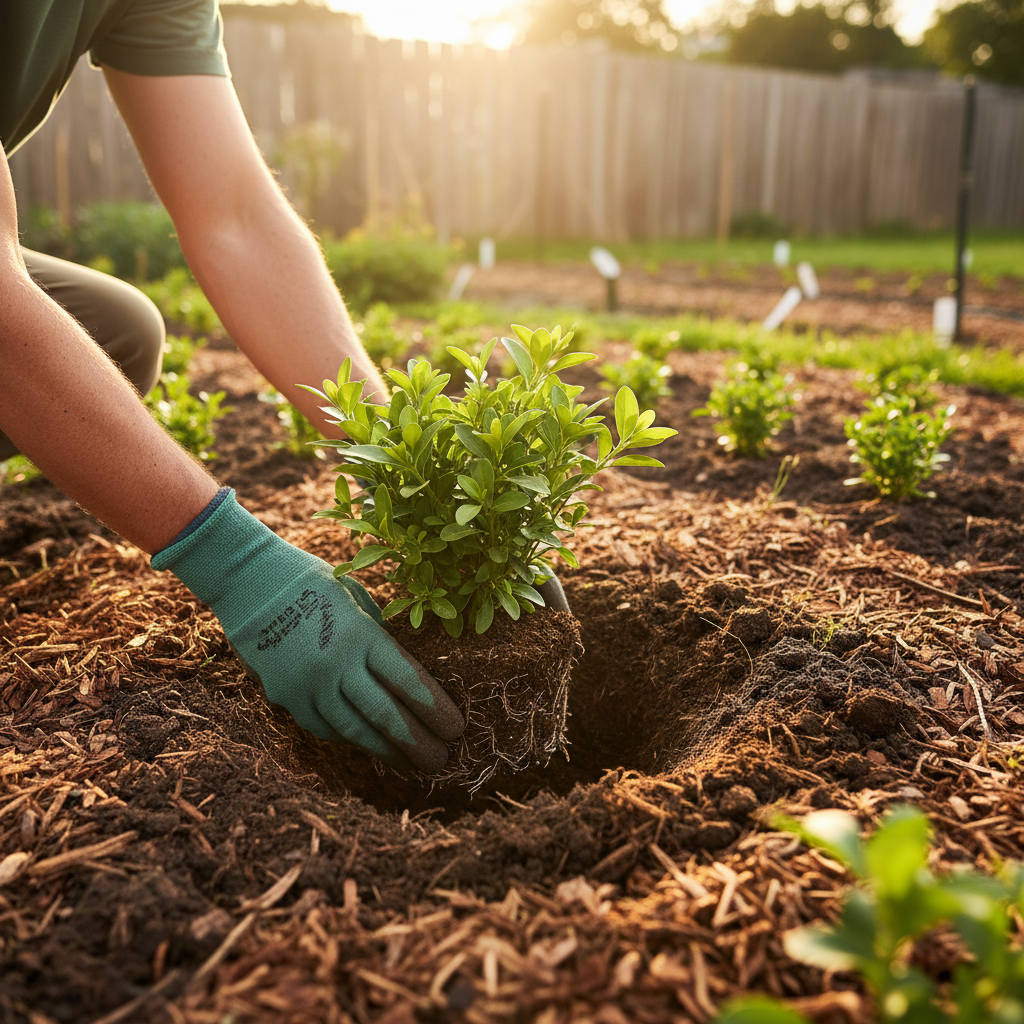
Execution in the field requires a shift from planning to precision. Successful fall planting Utah high desert trees shrubs fruit trees depends entirely on how the root system interfaces with Scipio's native earth. Begin by excavating a hole at least twice as wide as the root ball but no deeper than the container height. Digging too deep allows the plant to settle over time, which can bury the trunk flare and lead to long term decay or rot.
When backfilling, follow the specific protocols in our guide on soil preparation in Utah. Incorporate organic matter to break up heavy clay, but avoid heavy nitrogen fertilization. High nitrogen levels stimulate tender foliage that is easily killed by early frosts; your goal in autumn is to prioritize root expansion rather than top growth. As you return soil to the hole, tamp it down lightly and water thoroughly at the halfway point to eliminate air pockets. These pockets are dangerous in high elevations because they allow freezing air to reach the roots directly during the first hard freeze.
Scipio Pro Tip: Before placing your plant, fill the empty hole with water. If the water does not drain within twelve hours, you likely have a heavy clay shelf that requires deeper fracturing or the addition of drainage channels to prevent root rot during the spring thaw.
Winter Care: Protecting Your New Investment
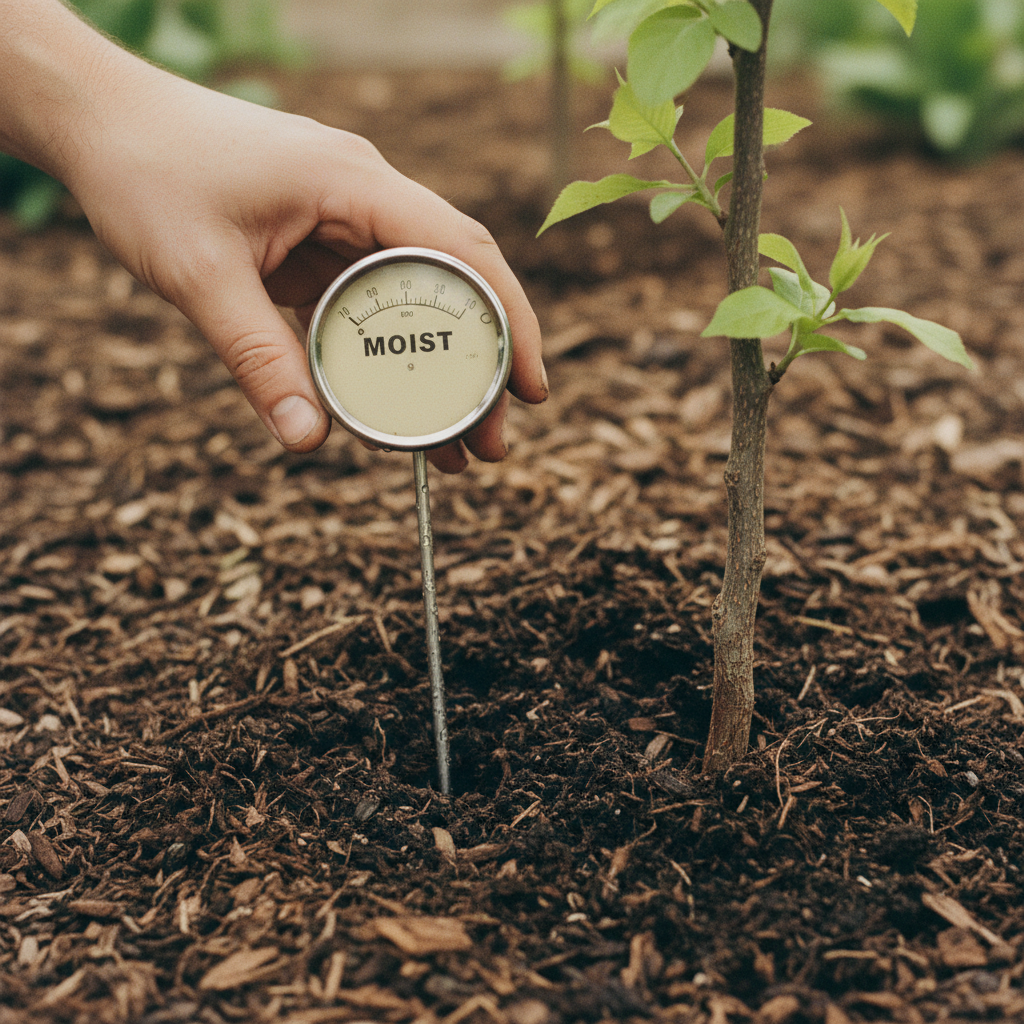
The process of successful fall planting Utah high desert trees shrubs fruit trees does not end once the tree is in the ground. Winter in Central Utah presents specific physiological challenges, primarily desiccation. Even in dormancy, roots require moisture. If the ground is not frozen and we experience a dry spell longer than three weeks, you must provide supplemental water. Apply water during the warmest part of the day when temperatures are above 40 degrees to ensure it soaks in before the evening freeze.
Protecting the physical structure is equally vital. Apply a three to four inch layer of wood mulch around the base, keeping it several inches away from the trunk to prevent rot. This layer stabilizes soil temperatures against extreme diurnal swings common in our high elevation valleys. To prevent sunscald, a common issue where intense winter sun cracks young bark, use light colored tree wraps. These also serve as a barrier against voles and rabbits seeking forage during heavy snow. For professional planting and growth support or questions about soil preparation in Utah, contact our horticultural experts to ensure your landscape matures as intended.
Preparing your Utah high desert landscape for the colder months ensures your trees and shrubs thrive when spring returns. By choosing native species and planting during the autumn window, you give your garden the best chance to establish deep roots before the first freeze. If you feel like your project needs a more specialized approach, or if you simply want expert guidance to ensure your investment pays off, we are here to help. You can learn more about our Services to find the right support for your unique property and vision.