The best time for pruning trees shrubs Utah high desert is during the dormant season from late winter to early spring. Deciduous species should be trimmed between November and February to promote health, while evergreens and spring-blooming plants are best handled in early spring before new growth begins.
Managing a landscape in the Utah high desert requires more than just water; it demands a precise hand when the shears come out. Many homeowners feel a sense of hesitation when facing a dormant fruit tree or an overgrown native shrub, fearing that one wrong cut might invite disease or leave the plant vulnerable to our intense UV rays and drying winds. Pruning in this climate is not merely about aesthetics; it is a critical practice for building structural resilience against heavy snow loads and prolonged drought. In this guide, we provide a sophisticated framework for high desert maintenance. You will learn the optimal seasonal calendar for our region, the essential Five D’s of removal, and specialized techniques for both fruit-bearing trees and desert-adapted shrubs. By avoiding common mistakes and using the right tools, you can ensure your Scipio landscape thrives through every season.
The Importance of Pruning for High Desert Resilience
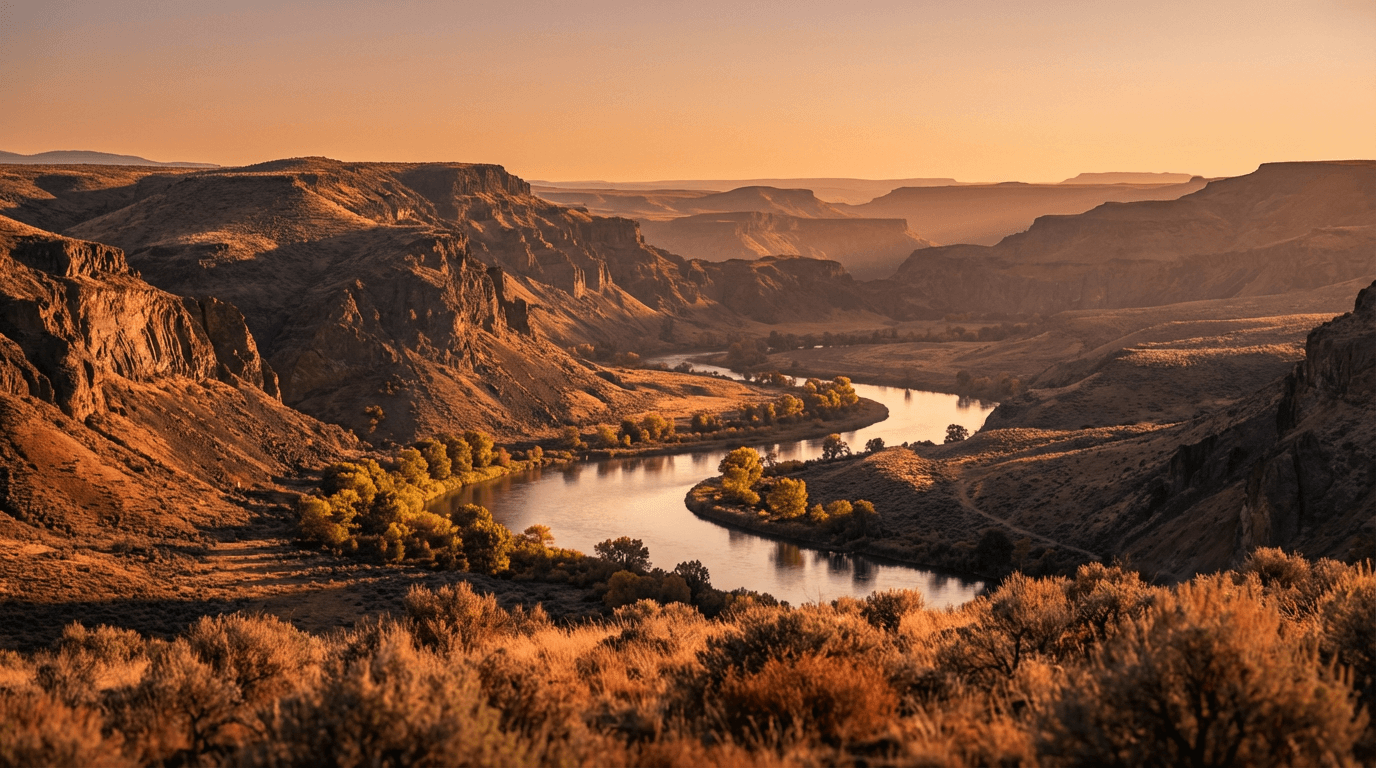
Growing in Millard County requires a deep understanding of environmental stressors that most coastal or midwestern gardeners never face. The Utah high desert subjects landscape plants to intense UV radiation, desiccating winds, and temperature fluctuations that can span forty degrees in a single afternoon. In this context, pruning trees shrubs Utah high desert isn't merely a task for curb appeal; it is a critical strategy for biological resilience and long term survival.
Properly executed cuts reduce the overall leaf surface area during periods of peak drought, which directly lowers water stress on the root system. Furthermore, structural pruning prepares woody plants for Scipio's heavy winter snows and the violent windstorms common in early spring. By removing weak attachments and balancing the canopy, we prevent limb failure before the weight of a late season blizzard can cause irreparable damage.
At Scipio Plants, we prioritize the structural integrity of every specimen. We move beyond the standard shear and shape approach to provide high-quality plants for landscaping that thrive for decades rather than just a few seasons. Our long-term maintenance advice centers on building a plant's natural defenses, ensuring that every cut serves a specific purpose in the greater ecological health of your property. If you need assistance evaluating your acreage, you can contact Scipio Plants for expert guidance.
When to Prune Trees and Shrubs in Utah: A Seasonal Calendar
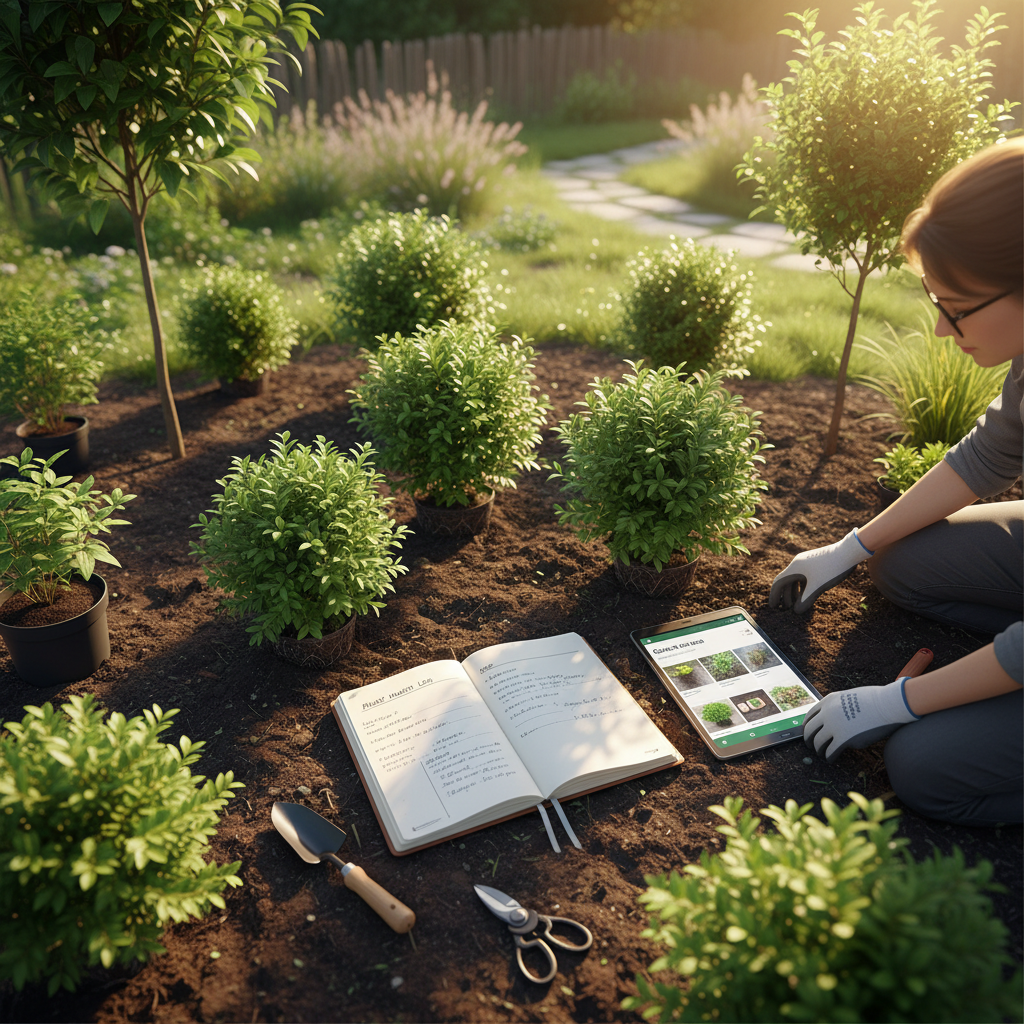
Timing your cuts to match the biological rhythms of your plants ensures they have the energy reserves necessary to heal. For most deciduous trees in Millard County, the optimal window is the late winter dormant season, typically between February and March. Pruning while the tree is dormant, but just before the sap begins to flow, allows for maximum visibility of the branch structure without the obstruction of leaves. This timing is vital for disease prevention, as many pathogens are inactive during the cold months, and the tree will begin sealing the wound almost immediately as spring growth kicks in.
Plant Type | Ideal Pruning Window | Reasoning |
|---|---|---|
Deciduous Trees | Feb – March (Dormancy) | Maximizes healing; avoids disease transmission. |
Spring-Blooming Shrubs | Late Spring (Post-bloom) | Preserves current year's flowers formed on old wood. |
Summer-Blooming Shrubs | Early Spring | Encourages vigorous growth on new wood. |
Evergreens & Natives | Early Spring | Prevents winter burn on newly exposed inner tissue. |
Flowering shrubs require a more nuanced approach based on when they set their buds. Species that bloom on old wood, such as lilacs or forsythia, should be pruned immediately after their floral display concludes. Cutting them in early spring would remove the very buds you are waiting to see. Conversely, shrubs that bloom on new wood thrive when pruned in early spring to stimulate fresh, flowering growth. This is a core part of the long-term maintenance advice we provide to ensure your landscape remains productive year after year.
In the Scipio area, desert-adapted species and evergreens require patience. We recommend waiting until early spring, once the threat of extreme sub-zero temperatures has diminished. Pruning these plants in mid-winter can expose tender interior branches to harsh winds and UV rays, leading to unnecessary desiccation. The worst time to prune in the high desert is late summer and early fall. Pruning during this period stimulates a flush of tender new growth. Because Scipio experiences rapid temperature drops, this new tissue rarely has time to harden off before the first frost, leading to significant dieback and weakened high-quality plants for landscaping. For specific questions about your property's schedule, you can always contact Scipio Plants for expert site-specific timing.
The Five D's: What to Remove First
Identifying the right time is the first step, but knowing exactly which branches to cut defines successful pruning trees shrubs Utah high desert. We recommend following the Five D’s framework, a systematic approach that prioritizes plant health over aesthetics. This method provides a clear starting point for homeowners and ensures that every cut serves a biological purpose.
Dead: Remove wood that is brittle or lacks green tissue under the bark. These limbs are structural liabilities and potential fire hazards.
Damaged: Cut back branches broken by Scipio’s heavy snow or wind to a clean lateral bud to prevent further tearing.
Diseased: This is critical for local fruit trees. Pruning out infected wood is the primary defense against pathogens like fire blight, which can spread rapidly through Millard County orchards if left unchecked.
Deranged: Remove branches that cross or rub against each other. Constant friction creates open wounds that invite pests.
Deformed: Prune away growth with weak angles or unusual structural flaws that compromise the plant's integrity.
Starting with these five categories is a cornerstone of our long-term maintenance advice. By clearing these problematic areas first, you ensure your high-quality plants for landscaping remain resilient. If you are unsure about a specific specimen, you can always contact Scipio Plants for a professional evaluation.
Pruning Fruit Trees in the Scipio Region
Fruit production in Millard County depends heavily on how you manage the architecture of your trees. While the Five D’s provide a baseline, specific species require distinct structural training to handle the local climate and crop loads. Apple and pear trees are most productive when trained to a central leader system. This configuration maintains a single, strong trunk with balanced lateral branches, creating a pyramid shape that manages the weight of heavy pome fruits without collapsing.
Peach and nectarine trees require a different strategy. These stone fruits thrive with an open center, or vase shape, where the central leader is removed to allow sunlight to penetrate the heart of the canopy. In the intense Scipio sun, this airflow and light exposure are vital for ripening fruit and maintaining the health of interior fruiting wood. Plum and cherry trees often benefit from a hybrid approach, ensuring they remain sturdy enough for our spring winds while staying open enough to avoid moisture traps.
Regardless of the species, thinning your fruit is a non-negotiable step for pruning trees shrubs Utah high desert. Well-irrigated orchards in our region often produce excessive yields that can snap even healthy limbs. Removing excess fruit in early summer protects the tree's structure and improves fruit quality. Pay close attention to apricot trees, which are notorious for early blooming. Because they are highly susceptible to Scipio’s late spring frosts, wait until buds begin to swell before making final cuts. This ensures you are not pruning away the only surviving blossoms. For tailored long-term maintenance advice, contact Scipio Plants to keep your high-quality plants for landscaping and food production thriving.
Special Considerations for Desert-Adapted and Native Shrubs
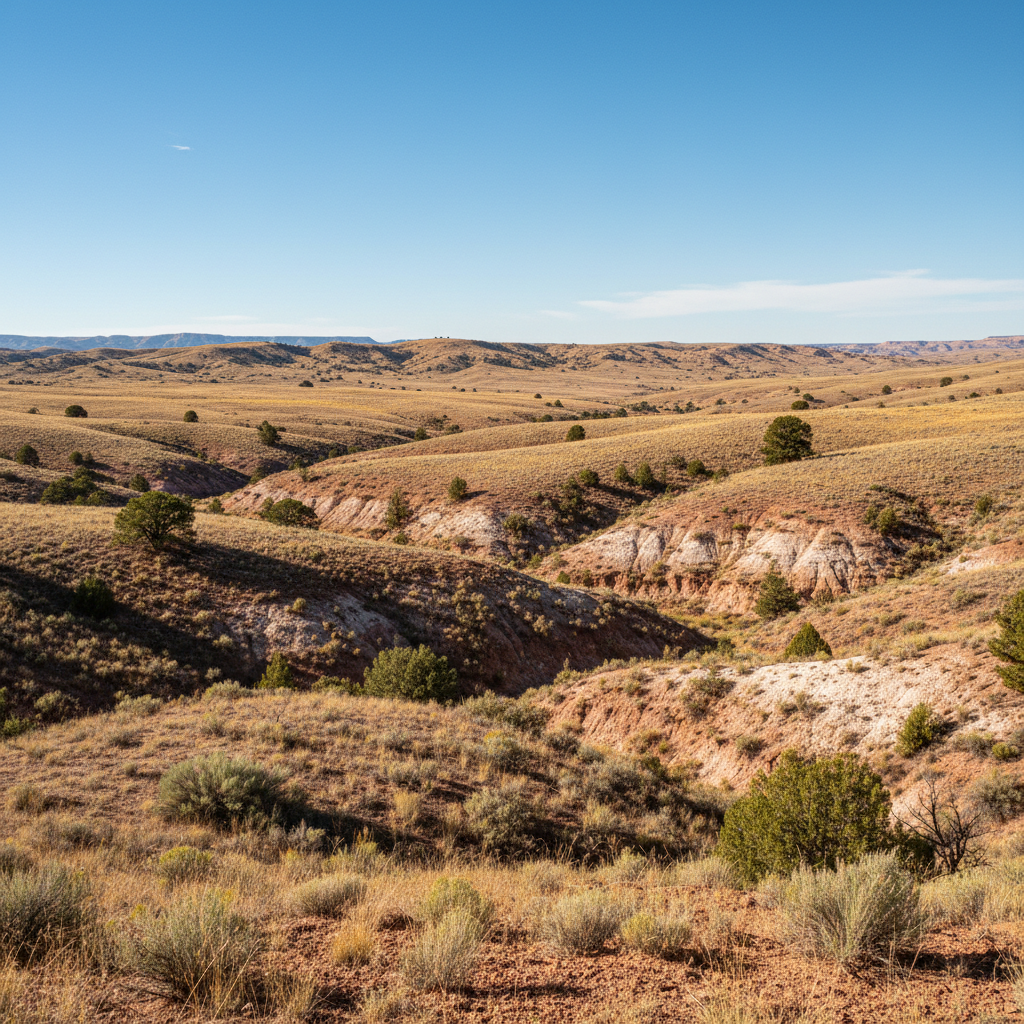
While fruit trees require aggressive structural training to manage heavy crops, native and desert-adapted shrubs demand a much lighter touch. Species like Big Sagebrush, Rubber Rabbitbrush, and Utah Serviceberry have spent millennia adapting to the harsh Millard County climate. Their dense, outer foliage acts as a natural sunshade for the interior stems and the surrounding root zone. Over-pruning native shrubs can lead to sunscald, a condition where the intense high desert UV rays damage the suddenly exposed, tender inner bark that has been shaded for years.
When pruning trees shrubs Utah high desert, we strictly adhere to the 1/3 rule. This practice dictates that you should never remove more than one-third of the plant's total mass in a single growing season. Maintaining this balance ensures the plant retains enough leaf surface area to photosynthesize effectively while protecting the soil from extreme temperature spikes. If you are managing a large native landscape, our long-term maintenance advice emphasizes preservation over radical shaping. By following these conservative guidelines, your high-quality plants for landscaping will remain resilient against Scipio's desiccating winds and intense solar load. If you need help identifying which native branches to selectively thin without compromising the specimen's health, you can contact Scipio Plants for expert site-specific guidance.
Common Pruning Mistakes Scipio Homeowners Should Avoid
Avoiding structural errors is just as important as knowing when to cut. Topping trees, a practice where the upper canopy is sheared off indiscriminately, is particularly damaging in our region. This mistake triggers a flush of weak, vertical water sprouts that lack a deep attachment to the trunk. In Scipio’s high-wind environment, these branches are the first to fail, creating a long-term safety hazard and compromising the tree's natural silhouette.
Another frequent error is making flush cuts. When a branch is removed too close to the trunk, the branch collar, which is the swollen area of specialized tissue at the base of the limb, is destroyed. Without this collar, the tree cannot effectively seal the wound, leaving the heartwood vulnerable to rot and infestation. At Scipio Plants, we emphasize that every cut must respect the plant's natural anatomy to ensure high-quality plants for landscaping remain healthy for decades.
Maintenance hygiene also plays a vital role in successful pruning trees shrubs Utah high desert. Using dull or dirty tools creates jagged wounds that take longer to heal and can spread pathogens. We recommend sanitizing shears with 70% isopropyl alcohol or a mild bleach solution between different specimens to prevent the transfer of disease.
Regarding the common concern of trimming in hot weather, we generally advise against it during the peak of summer. Pruning during July or August in Scipio’s low-humidity climate leads to rapid moisture loss and severe leaf scorch. The plant’s vascular system is already under stress; opening new wounds during a heatwave causes the specimen to lose water faster than it can be replaced. For more refined techniques or specific plant assessments, you can contact Scipio Plants or review our long-term maintenance advice.
Essential Tools for High Desert Maintenance
Professional results in pruning trees shrubs Utah high desert landscapes depend largely on selecting the correct tool for the wood's diameter and density. For green, living stems under half an inch, bypass pruners are the industry standard. These tools operate like scissors, with two sharp blades passing each other to create a clean, precise cut that heals quickly. Avoid anvil-style pruners, which use a single blade to press against a flat surface, as they often crush delicate vascular tissue and invite disease.
For branches ranging from half an inch up to two inches, long-handled loppers provide the necessary leverage to slice through tougher material. In Millard County, you will frequently encounter dense, dry wood from species like Utah Juniper or Gambel Oak. These plants require tools made from high-carbon steel that can maintain a sharp edge against high-density fibers. For anything larger than two inches, a dedicated pruning saw with a fixed or folding blade is essential. Unlike a standard carpentry saw, these are designed to cut on the pull stroke, giving you better control when working within a crowded canopy. Part of our long-term maintenance advice involves keeping these blades clean and sharp to prevent tearing. If you need help selecting gear for your high-quality plants for landscaping, you can contact Scipio Plants for local tool recommendations.
Year-Round Growth Support After the Cut
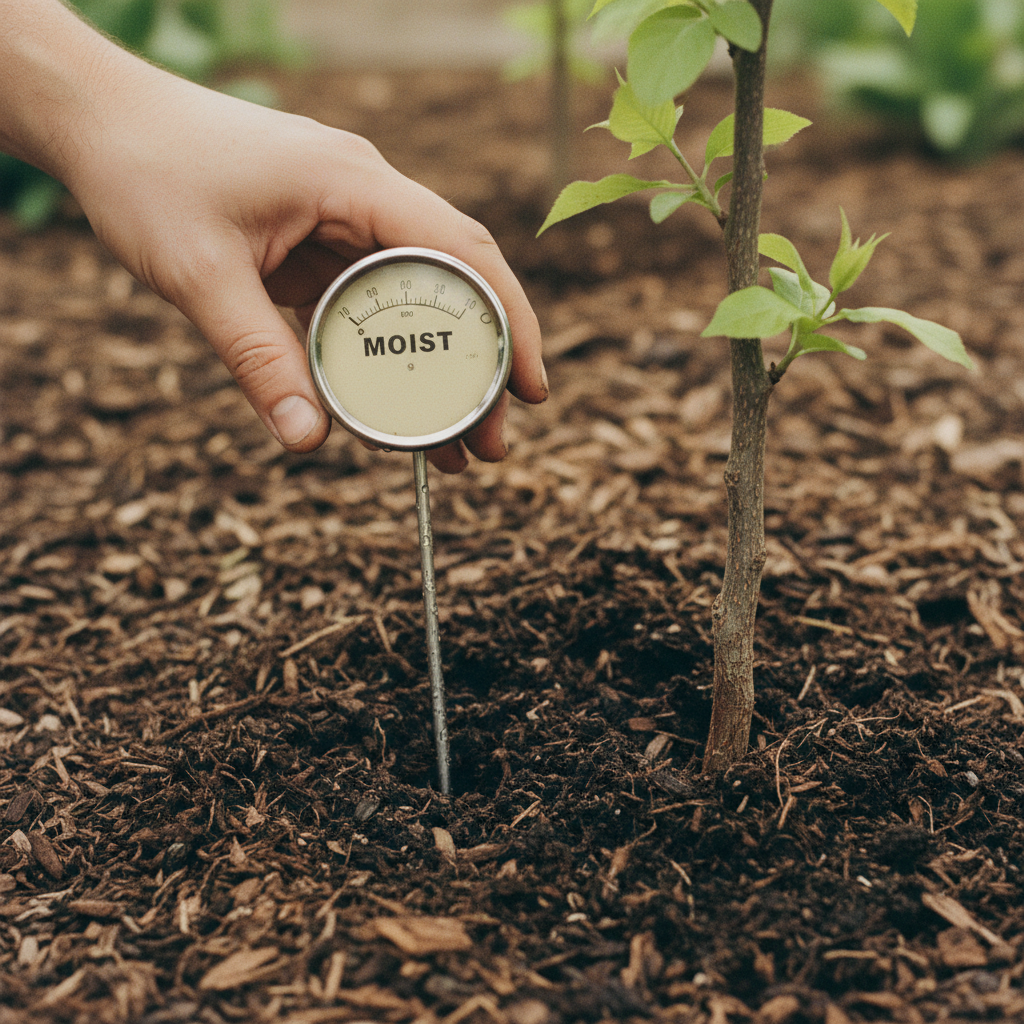
A clean cut marks the beginning of the recovery phase, not the end of the job. Because pruning triggers a hormonal response and diverts energy toward wound sealing, the specimen enters a temporary state of vulnerability. In the arid climate of Millard County, the most immediate requirement for a recently trimmed plant is consistent, deep hydration. A pruned plant is inherently a stressed plant; without adequate water, its ability to compartmentalize the cut and prevent pathogens from entering the heartwood is significantly diminished.
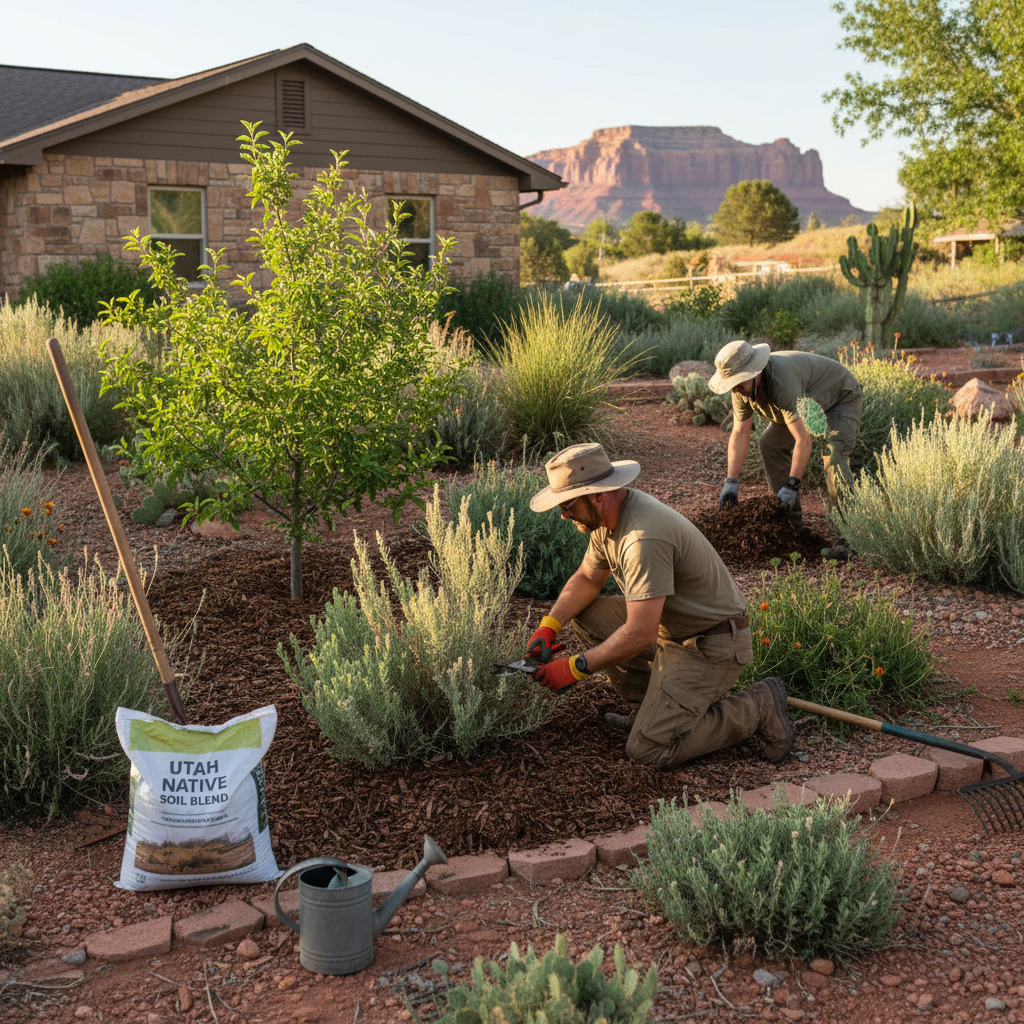
Check your mulch layers immediately after pruning trees shrubs Utah high desert landscapes. A three to four inch layer of organic mulch acts as a critical thermal blanket, preventing the intense Scipio sun from baking the root zone and causing rapid moisture loss. Simultaneously, inspect your drip irrigation emitters. Foot traffic during the pruning process can inadvertently crush lines or shift emitters away from the root ball. Ensuring these systems are fully functional is a core component of our long-term maintenance advice. By prioritizing post-cut care, you protect your investment in high-quality plants for landscaping and ensure they remain resilient against local environmental pressures. If you notice signs of wilting or slow recovery after a heavy trim, contact Scipio Plants to discuss targeted soil moisture management.
Caring for your landscape in the Utah high desert requires patience and precision. By following these seasonal pruning guidelines, you ensure that your trees and shrubs remain resilient against our unique climate. While DIY maintenance is rewarding, the technical nature of desert horticulture can be challenging. If you want expert help to perfect your outdoor space, you can learn more about our team and our commitment to desert plants. We are here to support your garden through every season.