The most effective Utah windbreak privacy screen native plants for high desert properties include resilient species like Rocky Mountain Juniper, Gambel Oak, and Woods' Rose. These hardy selections provide year round protection from harsh canyon winds and create natural boundaries while requiring minimal water once established in rural landscapes. By layering diverse heights and densities, homeowners can design a functional barrier that thrives in Utah's unique arid environment.
Living on a rural Utah acreage offers unmatched vistas, yet the relentless high desert wind often transforms a serene afternoon into a dusty, exposed challenge. Without a structured boundary, your property remains vulnerable to biting winter gusts and the prying eyes of distant neighbors, compromising both comfort and utility. Establishing a functional windbreak is a vital investment in your land's microclimate, providing a resilient shield that softens the environment while anchoring your home to the landscape. In this guide, we detail the layered shield approach to design, focusing on native evergreens and deciduous shrubs specifically adapted for the rigors of zones 4 and 5. You will learn how to select high-performance species that thrive in rocky soils and arid conditions, ensuring your privacy screen provides year round protection for generations to come.
The Rural Utah Challenge: Wind, Sun, and Wide Open Spaces
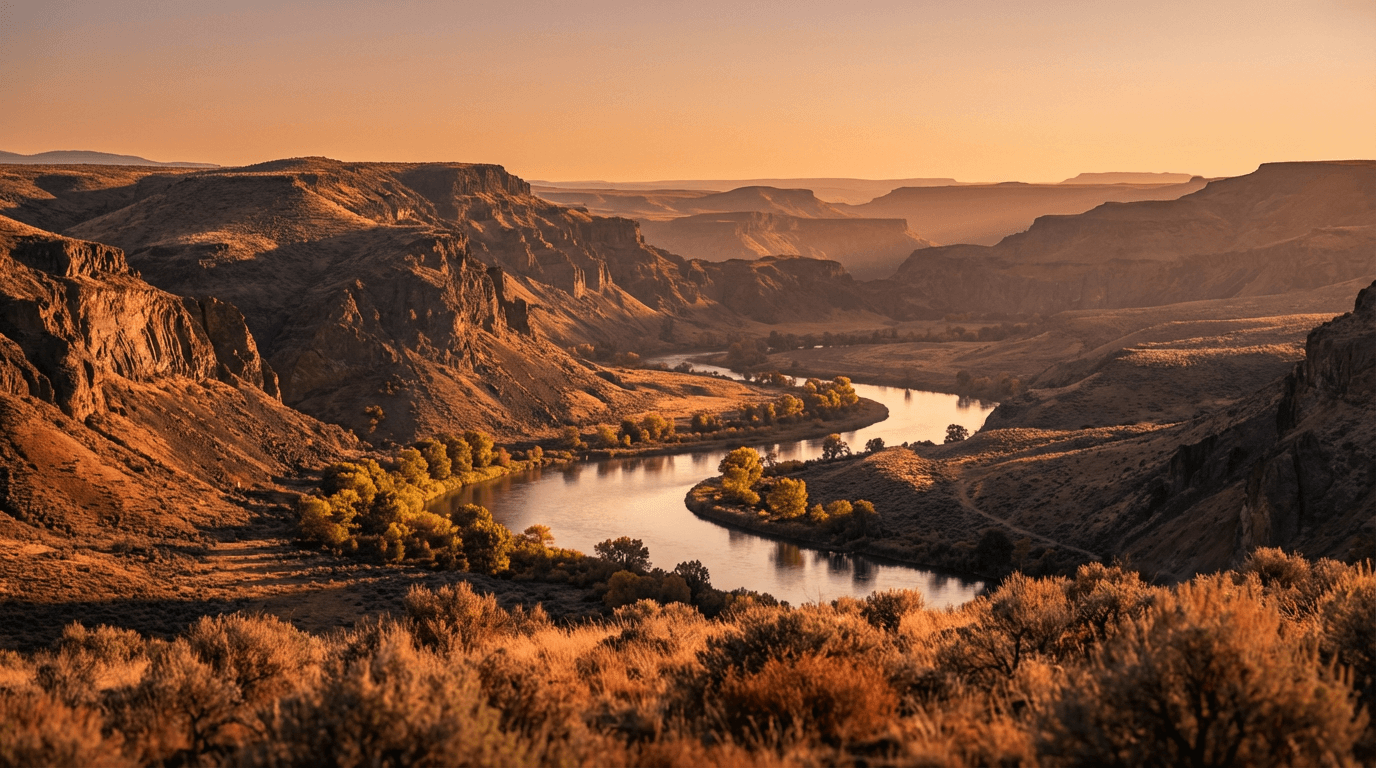
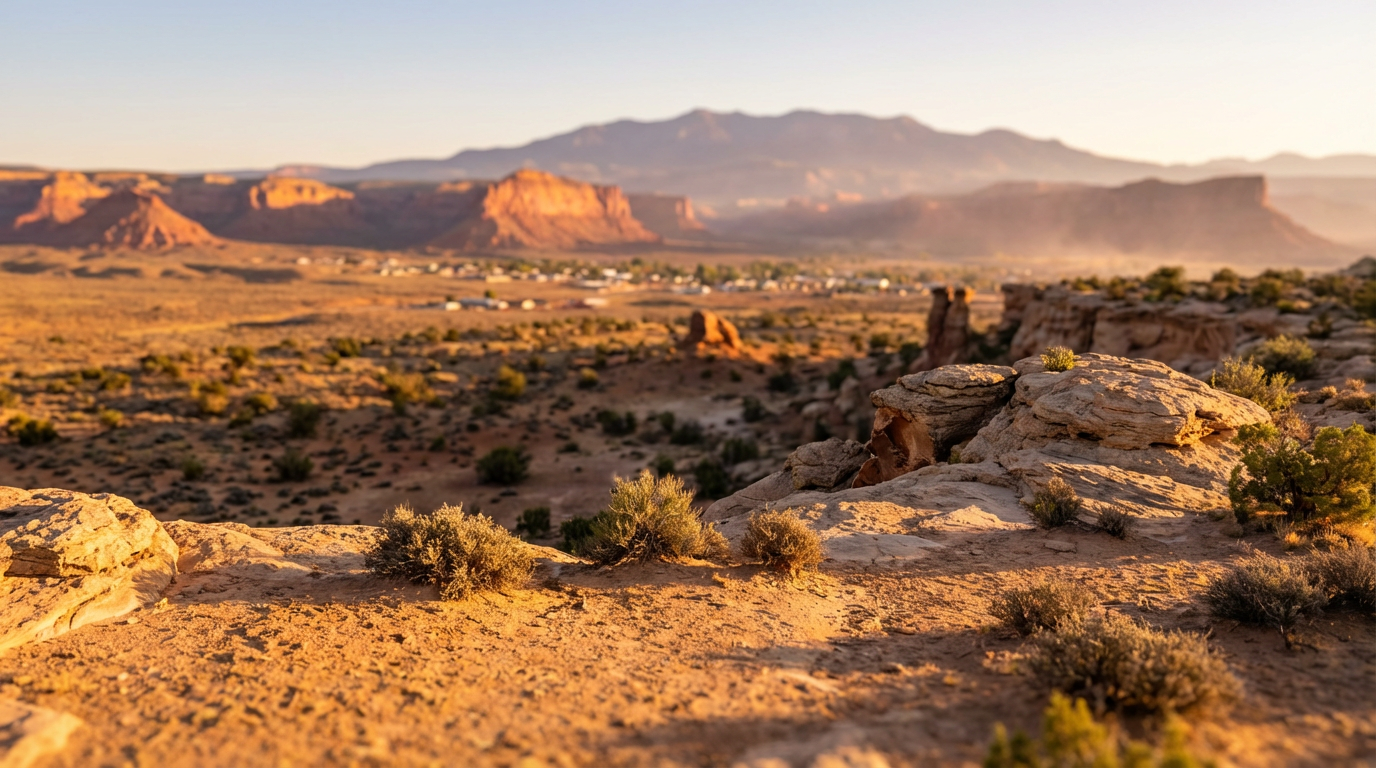
Establishing a successful Utah windbreak privacy screen native plants project starts with acknowledging that Scipio properties face a unique trifecta of stressors: relentless canyon winds, high elevation sun intensity, and alkaline soil. Our high desert environment is vastly different from the more temperate Wasatch Front; plants here must endure USDA Zone 5 and 6 temperatures alongside intense UV radiation that can scorch less resilient species.
Property owners must also distinguish between a visual privacy screen and a structural windbreak. A privacy screen is primarily designed to block a neighbor's view or hide an unsightly structure. In contrast, a windbreak serves as a functional shield. According to USU Extension, a well designed windbreak can protect areas 10 to 30 times its height downwind, reducing soil erosion and lowering home heating costs by up to 40 percent.
Relying on generic nursery stock often leads to disappointment. Popular choices like Leyland Cypress frequently fail in rural Utah because they cannot handle the drying winter winds or the high pH of our soil. Native species are the superior choice for resilience. They have spent millennia adapting to the specific challenges of the Intermountain West. For those seeking high-quality plant sourcing or professional planting services, selecting species bred for local conditions is the only way to ensure long term survival.
Designing an Effective Rural Windbreak: The Layered Shield Approach
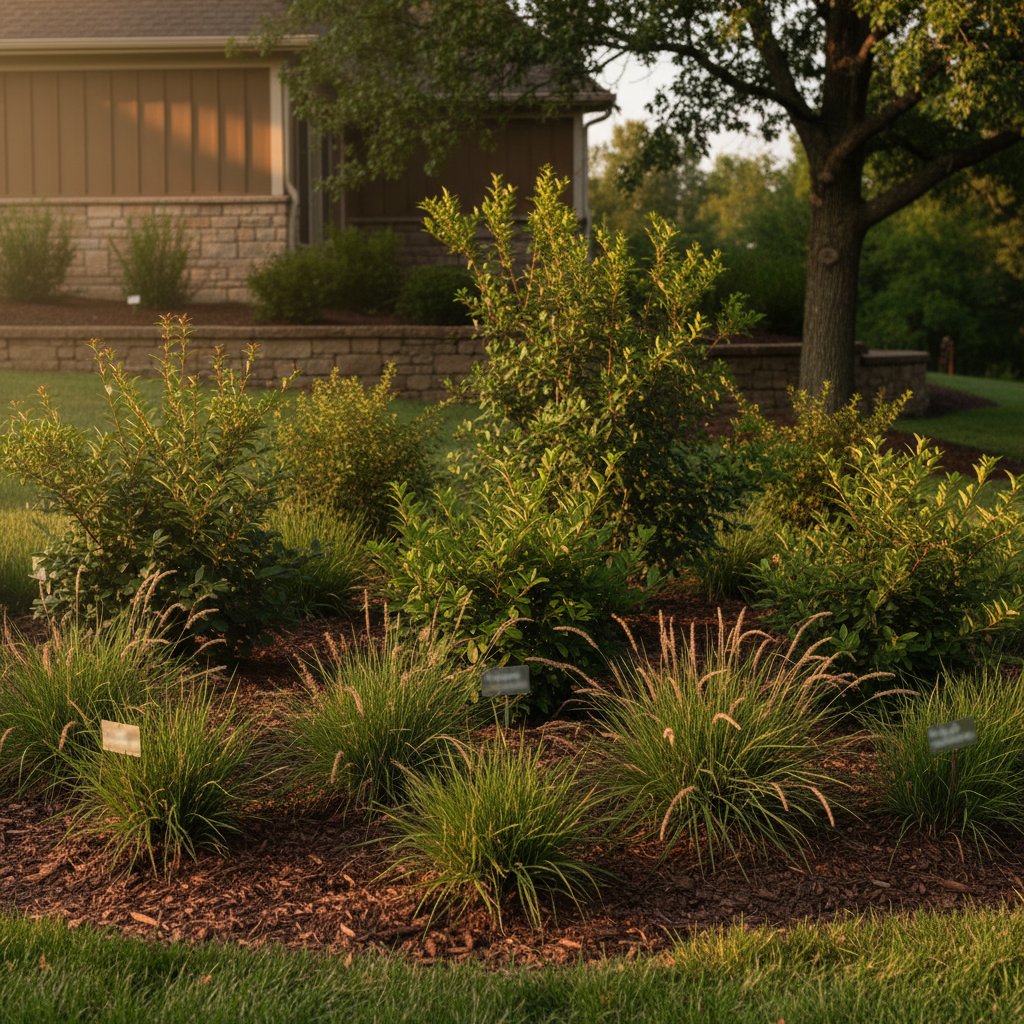
Designing a high desert windbreak requires shifting focus from a simple wall to a tiered filter. For Scipio landowners, the most effective strategy is the Layered Shield. This approach uses multiple rows of vegetation to progressively slow and diffuse air currents rather than trying to stop them abruptly, which can cause turbulent downdrafts and localized pressure zones.
The system begins with an outer buffer zone composed of tall, wind-hardy evergreens. These are the front-line soldiers that break the initial force of canyon winds. Next, a mid-layer of dense shrubs absorbs the remaining energy. This secondary row is critical because it fills the gaps beneath the canopy of the taller trees, preventing wind from scouring the soil surface or creating low-level drafts. Finally, an inner defensible zone is created. This sheltered pocket is where you can safely plant more sensitive ornamentals, fruit trees, or vegetable gardens that would otherwise be shredded by the elements.
When planning your layout, follow the USU Extension guideline that a windbreak protects a downwind area roughly 10 to 30 times the height of the tallest trees. To maximize this footprint, plants should be placed in staggered rows. A straight line of trees often creates a tunnel effect, where wind finds a single gap and accelerates through it with increased velocity. Staggering the placement ensures that as air passes one tree, it immediately hits the foliage of another in the second row, maintaining the screen's integrity.
Successful implementation of this layered design often requires professional planting services to ensure proper spacing for long term growth. If rows are too tight, trees compete for limited water and sunlight, leading to die-back; if too wide, the wind screen fails to function. This structural depth is what transforms a basic Utah windbreak privacy screen native plants installation into a permanent climate modifier for your property, significantly reducing soil erosion and protecting your home's thermal envelope.
Top Native Evergreen Trees for Year Round Protection
To build that thermal envelope, the selection of evergreen species must prioritize structural integrity over mere aesthetics. The Rocky Mountain Juniper (Juniperus scopulorum) stands as the premier choice for the front line of any Scipio windbreak. Unlike softer nursery cultivars, this native species evolved specifically for alkaline soils and can withstand the desiccating canyon winds that define our winters. Its dense, scale like foliage provides year round visual screening while acting as a physical baffle that breaks the wind's momentum without the risk of snapping in a gale.
For properties at higher elevations above 6,000 feet, the Ponderosa Pine and Colorado Blue Spruce become essential heavy lifters. These species are physiologically adapted to the heavy, wet snow loads common in Millard County. The Colorado Blue Spruce offers exceptional needle density, creating a nearly impenetrable wall that filters fine dust and drifting snow. Ponderosa Pines provide necessary height and deep taproots that anchor the windbreak against significant gusts.
The success of these trees depends on their ability to shed snow while maintaining their shield. Their flexible yet strong branching structures prevent the limb breakage often seen in non native evergreens like the Siberian Elm. When you invest in high-quality plant sourcing, you ensure these trees are acclimated to our specific UV intensity and temperature swings. For larger installations, utilizing professional planting services ensures these evergreens are spaced to allow for canopy expansion; this is vital for maintaining the needle density required for a functional Utah windbreak privacy screen native plants system.
Fast Growing Deciduous Shrubs for Privacy and Resilience
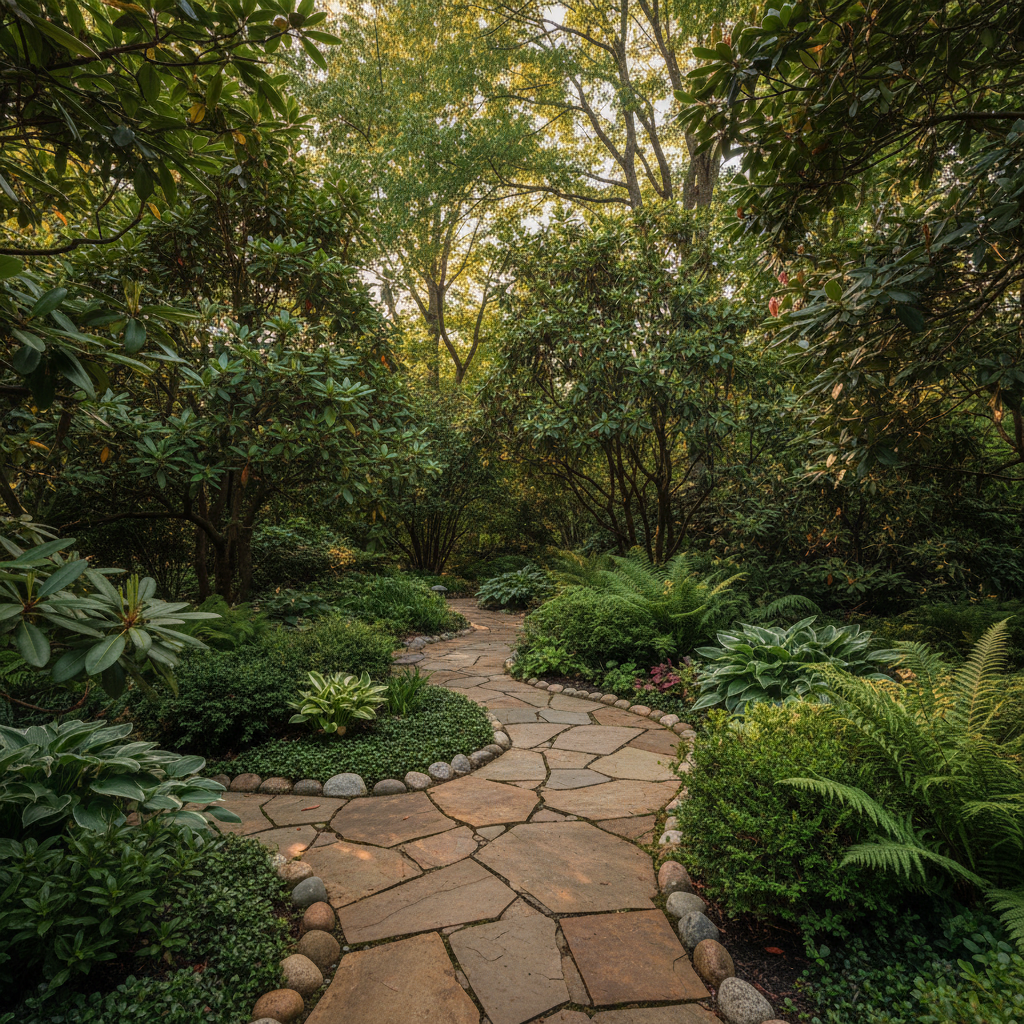
Establishing a Utah windbreak privacy screen native plants project requires balancing long term stability with the immediate need for visual coverage. While evergreens form the backbone of a windbreak, deciduous shrubs are the primary drivers of rapid vertical growth. Native Serviceberry (Amelanchier utahensis) is a standout for Scipio properties. This species is specifically adapted to our low precipitation and high UV levels, establishing far more quickly than traditional conifers. It provides excellent mid-layer density, which is crucial for filling the gaps beneath the higher canopy of pines and spruces.
Rabbitbrush (Ericameria nauseosa) offers some of the fastest establishment rates in the high desert. Often seen growing wild along Millard County roadsides, it thrives in disturbed or poor soils where other plants struggle. Landowners often worry that deciduous plants lose their effectiveness once they drop their leaves. However, the intricate, dense branching structure of these shrubs remains a highly effective baffle. Even without foliage, the mesh of twigs slows wind velocity and disrupts the laminar flow that causes soil erosion and heat loss.
Common Lilac (Syringa vulgaris) remains a staple for rural Utah for good reason. It is exceptionally drought-hardy and thrives in the high pH, alkaline soils characteristic of the Scipio Valley. Unlike some invasive screening options, lilacs are well-behaved and provide a thick, fragrant wall of vegetation that requires minimal intervention once established. Utilizing high-quality plant sourcing ensures these shrubs are hardy enough for our Zone 5 winters. For those looking to secure large perimeters quickly, professional planting services can help install these species in the staggered patterns necessary to maximize their wind-filtering capabilities.
High Desert Adaptation: Plants for Zone 4 and 5 Elevations
For properties climbing toward the foothills or situated in the higher plateaus of Millard County, cold hardiness becomes the primary filter for selection. In these Zone 4 and 5 pockets, plants face a compressed growing season where deep dormancy is a survival mechanism, not just a phase. Elevation significantly impacts atmospheric pressure and UV exposure, meaning plants here must be physiologically prepared for rapid temperature swings and shorter windows of active growth.
Apache Plume (Fallugia paradoxa) is an exceptional candidate for south-facing aspects where intense sun and rapid snowmelt create desert-like conditions. Its feathery seed heads and woody structure provide year round interest and soil stability even in the thinnest soils. Conversely, Silver Buffaloberry (Shepherdia argentea) thrives on cooler, north-facing slopes or in areas where snow drifts linger. It is incredibly cold-hardy and nitrogen-fixing, allowing it to flourish in the nutrient-poor, alkaline soils common at these elevations.
Plant Species | Ideal Aspect | Cold Hardiness | Best Use in Windbreak |
|---|---|---|---|
Apache Plume | South/West (Sunny) | Zone 4 | Low-level baffle/soil anchor |
Silver Buffaloberry | North/East (Cooler) | Zone 3 | Mid-layer density/wildlife cover |
Bristlecone Pine | Any (High Ridge) | Zone 3 | Long-term structural backbone |
Successful establishment at these heights requires understanding how microclimates dictate growth. When you utilize high-quality plant sourcing, you ensure the stock has the genetic memory to handle Scipio's specific frost cycles. For those managing larger acreage at elevation, professional planting services ensure each species is placed in the optimal aspect to maximize its natural resilience within a Utah windbreak privacy screen native plants system.
How to Plant for Success: Soil Prep and Winter Care
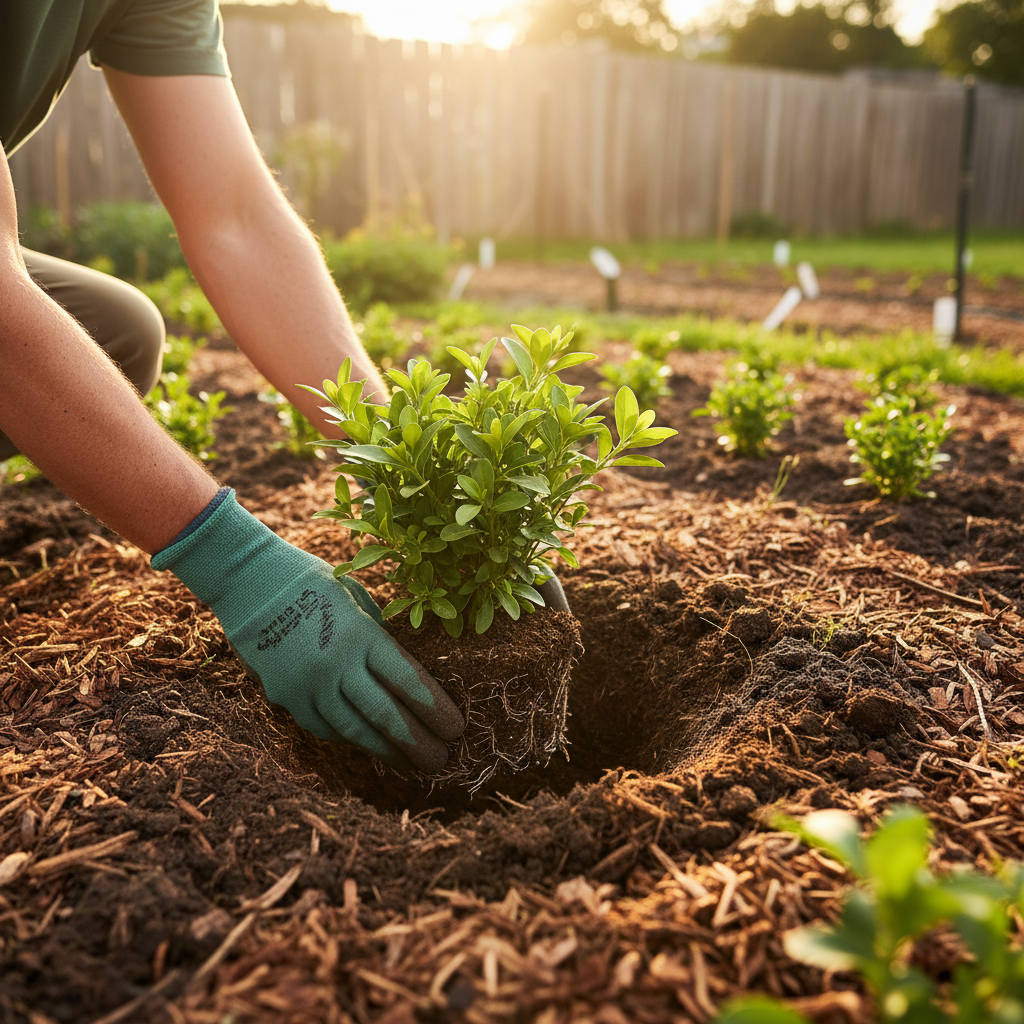
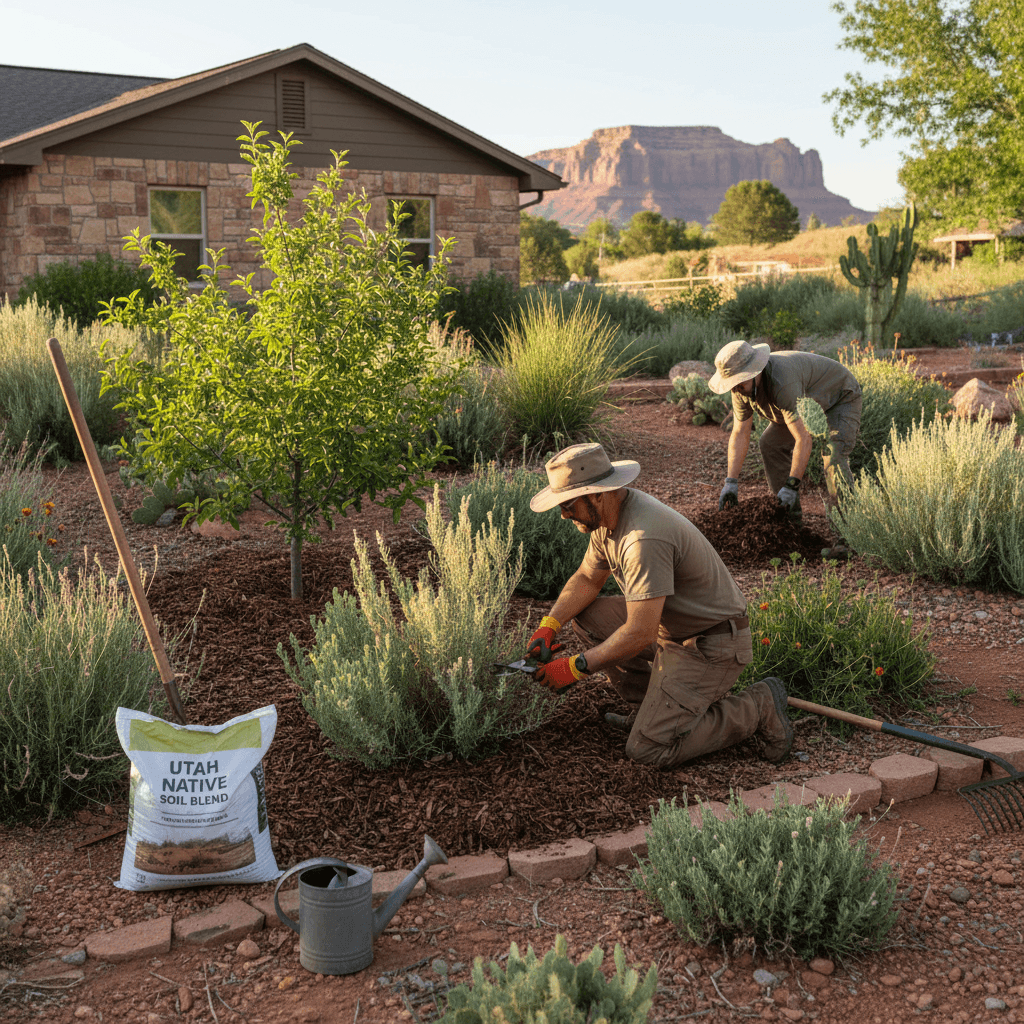
Successful installation of a Utah windbreak privacy screen native plants project begins with the hole itself. In our heavy Scipio soils, you must dig a planting site at least twice as wide as the root ball but no deeper than the root flare. Avoid the common mistake of over-amending the backfill with excessive compost or store-bought potting soil. This creates a luxurious, soft pocket that discourages roots from penetrating the tougher native soil, leading to a pot-bound plant that eventually girdles itself. Instead, use the native soil you removed to ensure the plant adapts to local chemistry and texture from day one.
Winter care is the most overlooked phase of establishment. Most plants lost in Millard County during their first two years do not die from the cold; they die from thirst. What many describe as winter burn is actually extreme dehydration caused by canyon winds pulling moisture from foliage while the roots are dry. Supplemental watering during dry winter spells, provided the ground is not frozen, is essential for survival. Applying a three to four inch layer of wood chip mulch around the base of your trees will insulate the root zone against Scipio’s deep freezes and significantly reduce evaporation. For tailored advice on your specific site conditions, feel free to contact Scipio Plants or inquire about our professional planting services to ensure your investment thrives through its first critical seasons.
Frequently Asked Questions About Utah Windbreaks
Landowners often seek technical clarity when planning a Utah windbreak privacy screen native plants installation. Addressing these common concerns ensures your project survives the Scipio climate.
What is the fastest growing tree for windbreaks in Utah?* While some non-native poplars grow quickly, they often lack the structural integrity required for canyon winds. Rocky Mountain Junipers and native Serviceberries offer the most reliable growth rates and resilience in our alkaline soils.
How far apart should privacy trees be planted?* Spacing depends on the species, but evergreens are typically staggered 10 to 15 feet apart to allow for healthy canopy expansion. Mid-layer shrubs are best placed 3 to 6 feet apart to create a dense, functional wall without overcrowding the root systems.
For specific site evaluations and layout advice, you can contact Scipio Plants regarding high-quality plant sourcing or professional planting services tailored to the unique conditions of Millard County.