Effective soil preparation Utah requires incorporating organic matter like compost or peat moss to improve drainage in clay soils and moisture retention in sandy areas. Because local soils are typically alkaline, gardeners should avoid adding lime or wood ash and instead focus on aeration and lab-verified amendments to create a healthy foundation for plants.
Many Utah gardeners face the same disheartening ritual each spring; they break shovels against stubborn, sun-baked clay or watch expensive nursery stock struggle in alkaline dirt. Our high desert environment presents unique chemical challenges that standard gardening advice often fails to address. Without proper preparation, your landscape remains a collection of stressed plants rather than a cohesive ecosystem. This guide provides a professional framework for building a resilient foundation. We will explore the vital importance of soil testing and why local gardeners must strictly avoid additives like lime or wood ash. You will discover the 70/30 rule for organic matter and learn practical techniques to improve drainage in heavy clay. From seasonal timing to long term mulching, these steps ensure your garden thrives in the unique conditions of the Intermountain West.
The Challenge of High Desert Dirt: Why Soil Preparation in Utah Matters
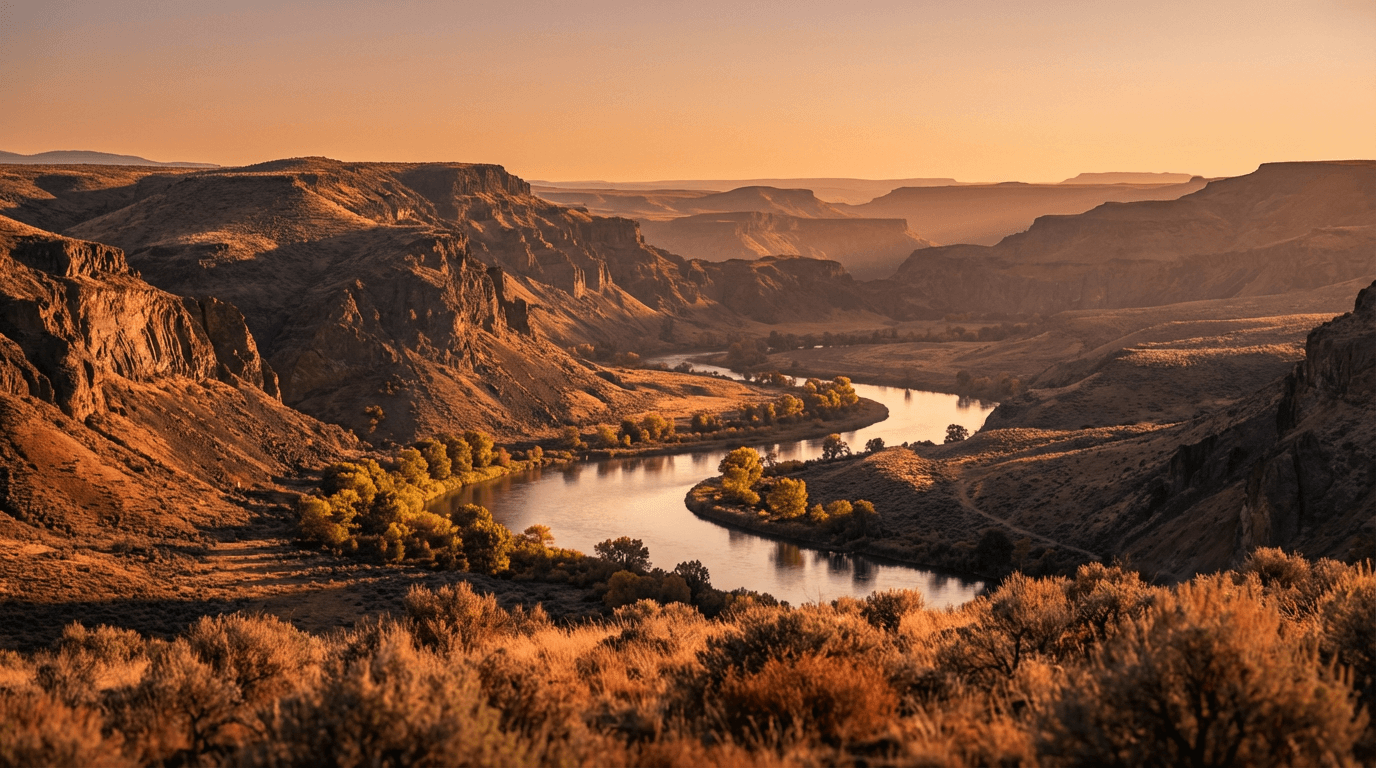
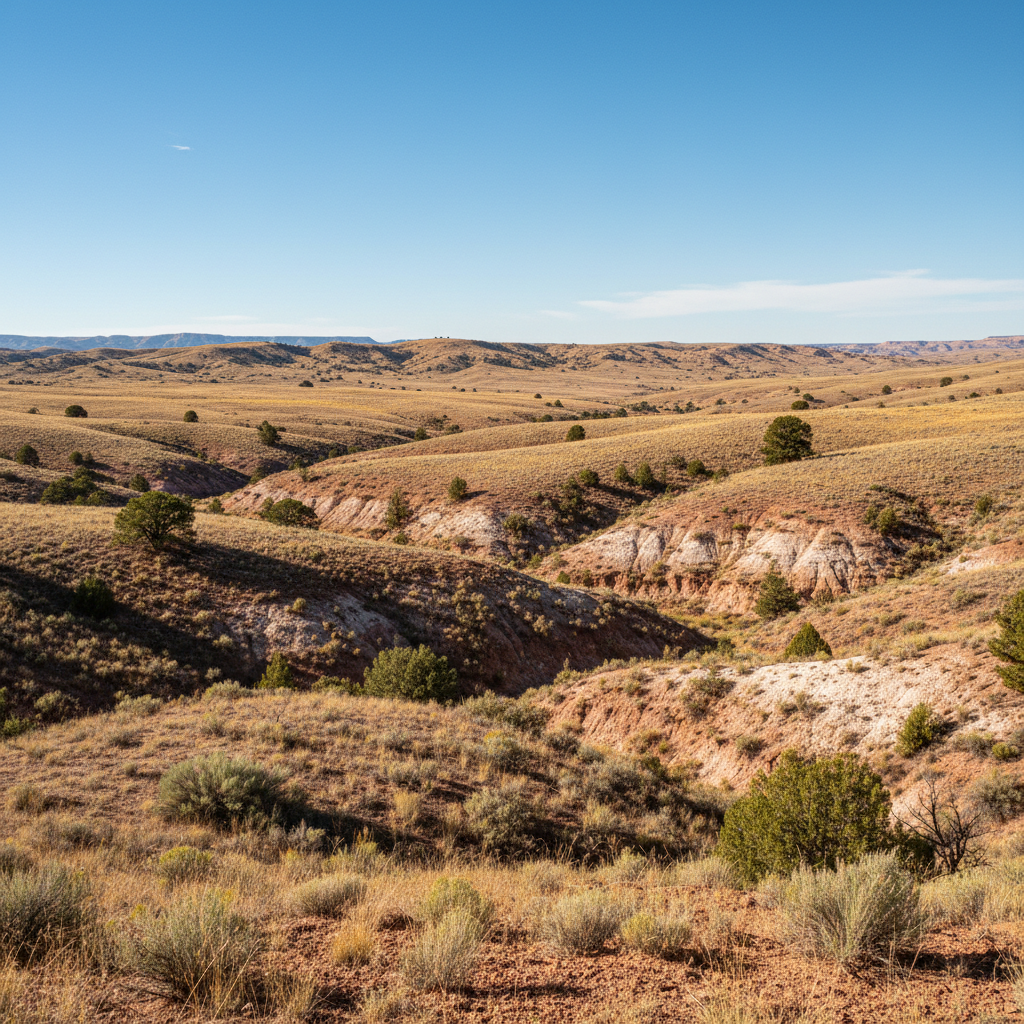
Growing in Central Utah often feels like a battle against the elements, but the most significant struggle happens underground. New arrivals and long-time residents alike soon realize that the dirt in Scipio and Millard County is far from the rich, black loam pictured in national gardening magazines. Most of those publications provide advice tailored for the Midwest or the East Coast, where rain is frequent and soils are naturally acidic. In our high desert environment, we face the opposite reality: high alkalinity, often with a pH of 8.0 or higher, and organic matter levels that frequently dip below 1.5 percent.
Effective soil preparation Utah requires a departure from generic gardening tips to address these specific constraints. Our ground is typically characterized by either heavy, suffocating clay that retains harmful salts or extreme sand that drains before roots can take a drink. To achieve successful Utah property enhancements, you must focus your efforts beneath the surface. Local plants do not thrive solely because of our intense high-altitude sun; they flourish because of the deliberate work done to improve the structure and chemistry of the root zone. For those looking for professional assistance in transforming these tough conditions, our landscaping and planting services prioritize building this essential foundation. Success in this arid climate is won or lost in the first six inches of the earth.
Step 1: Testing Your Soil Before You Amend
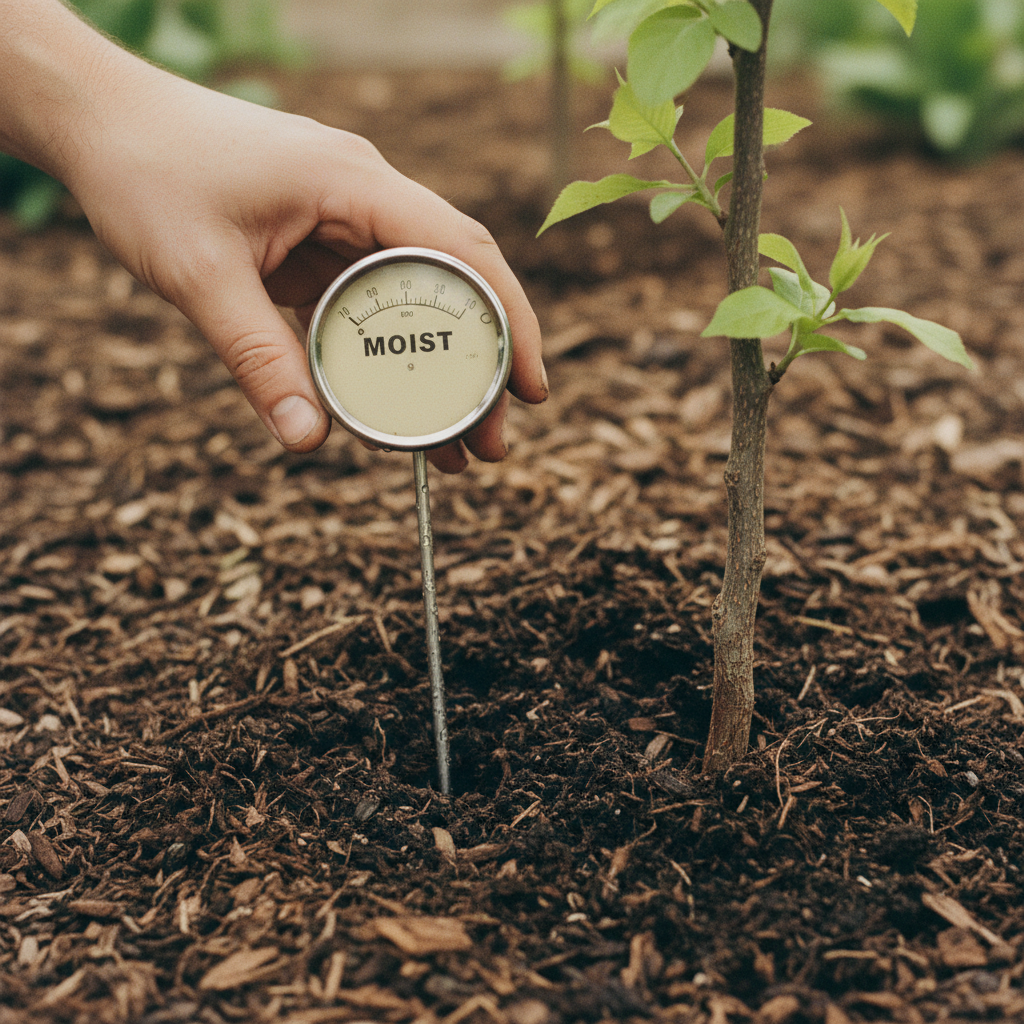
Before you buy a single bag of compost or fertilizer, you must know exactly what your ground is missing. Many local growers ask, "Where can I get my soil tested in Utah?" The most reliable resource is the Utah State University Analytical Lab (USUAL). While big box stores sell inexpensive DIY test kits, these often provide inaccurate readings for the high alkalinity and complex mineral profiles found in Millard County. A professional lab test provides precise data on phosphorus, potassium, and, most importantly, salinity levels.
Excessive salt is a frequent challenge in Scipio, and a standard home kit cannot accurately measure it. Lab results also specify micronutrient levels and organic matter percentages, which are vital for planning successful Utah property enhancements. Testing your soil in early spring or late fall, when the ground is not frozen or saturated, allows you to adjust your strategy according to hard data.
For landowners in Central Utah, this step prevents the common mistake of over-fertilization. Adding high-nitrogen fertilizers to a plot that already has sufficient levels can lead to salt buildup and severe plant stress, which is just as damaging as a nutrient deficiency. By securing a baseline from the USU lab, you ensure that your soil preparation Utah strategy is built on science rather than guesswork.
The Utah Rule: Why You Should Never Use Lime or Wood Ash
Once you receive your test results from the USU lab, you will likely see a pH reading between 7.8 and 8.5. This data point is where many well meaning gardeners make a critical error. Standard gardening guides, written for regions with acidic rain and leached soils, frequently suggest adding lime or wood ash to balance the soil. In Millard County, following this advice is a recipe for disaster.
Utah soils are naturally rich in calcium carbonate, making them highly alkaline by default. Adding lime or wood ash, which are both strongly alkaline substances, will skyrocket your pH levels even further. This creates a chemical environment where essential nutrients, particularly iron, become locked in the soil. Even if iron is present, the high pH prevents the plant from absorbing it through the roots. The most common symptom is iron chlorosis, a condition where leaves turn a sickly yellow while the veins remain dark green. For successful Utah property enhancements, preventing this nutrient lockout is far more effective than trying to treat it with expensive foliar sprays after the fact.
If your soil preparation Utah plan involves lowering pH, the only viable long-term amendment is elemental sulfur. Unlike lime, sulfur creates a slow acidic reaction as it is processed by soil bacteria. However, this is a slow process; it often takes a full year for sulfur to begin shifting the chemistry of our heavy desert soils. In many cases, the most practical approach for Scipio landowners is to work with our alkalinity rather than fighting it. By selecting drought-tolerant, alkali-hardy species through our landscaping and planting services, you can build a resilient landscape that thrives in our natural conditions without a constant, uphill chemical struggle.
Mastering the 70 30 Rule and Organic Matter
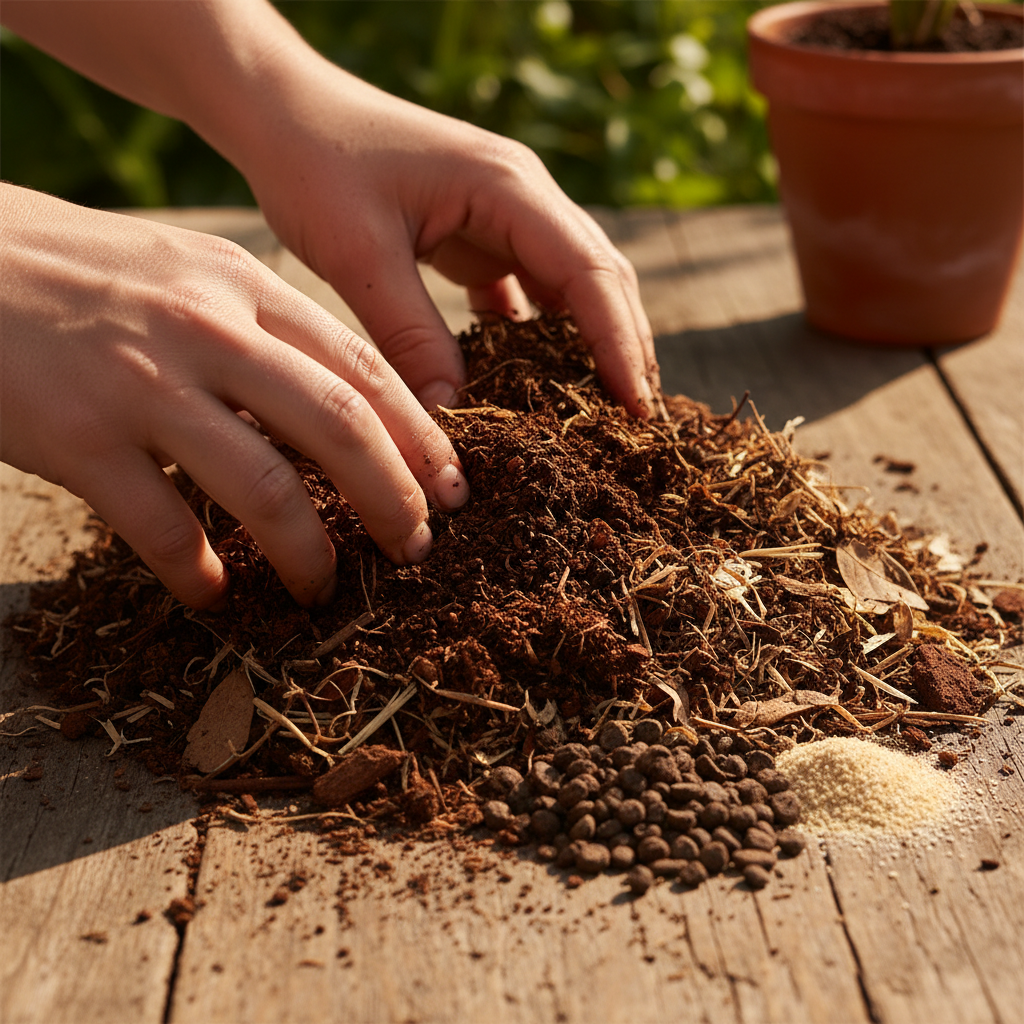
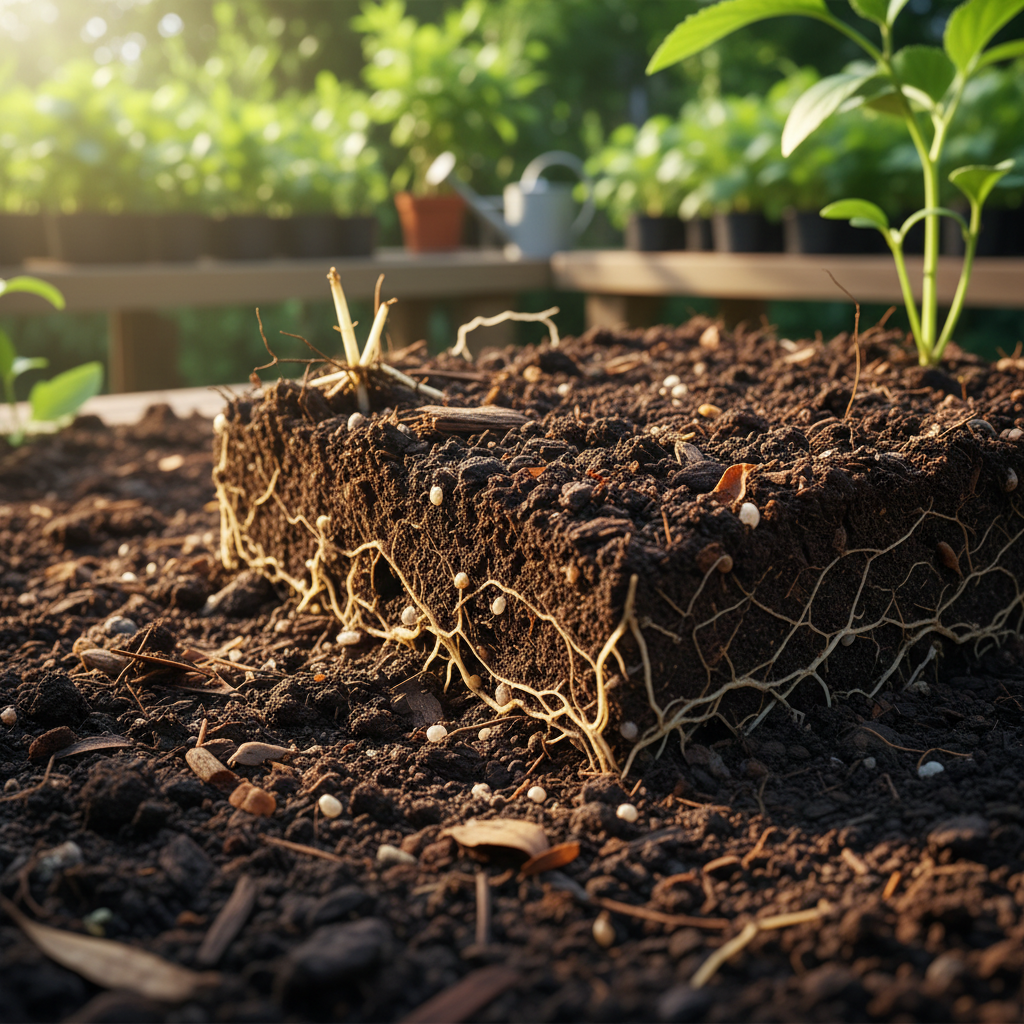
While chemistry is vital, the physical structure of your ground determines how well roots can breathe and hydrate. For successful Utah property enhancements, we recommend following the 70/30 rule when preparing new planting beds or individual holes. This ratio consists of 70 percent native soil mixed with 30 percent organic amendment. Many people make the mistake of filling a planting hole with 100 percent bagged soil, which creates a "flower pot effect" where roots refuse to penetrate the surrounding heavy clay. By mixing the native dirt back in, you create a transition zone that encourages the plant to adapt to the local environment while providing enough biological support to establish itself.
In Scipio, the quality of your amendment matters as much as the quantity. High-quality local compost or leaf mold are preferred choices for our climate. Well-composted manure is widely available in Millard County, but you must use it with caution. Because many local livestock are fed salt-rich diets, the resulting manure can have high salinity levels that exacerbate our existing soil issues. Always ensure manure is fully aged and, if possible, tested for salt content before application. Another staple for landscaping and planting services in our region is "Soil Pep," a fine-screened, partially composted bark product. It is particularly effective for breaking up the dense particles in our heavy soils without introducing the pathogens often found in raw wood chips.
Consistency is the key to long-term success. Adding 1 to 2 inches of organic matter to the surface annually is the most effective way to manage the extremes of Utah dirt. In the heavy clay prevalent near Scipio, organic matter creates pores that allow water and oxygen to reach the roots rather than pooling on the surface. In sandy areas, that same organic matter acts like a sponge, holding onto moisture that would otherwise leach away instantly. Over time, this steady biological addition transforms the soil from a dead mineral substrate into a living, resilient ecosystem.
How to Improve Clay Soil in Utah Gardens Without Making Concrete
One of the most frequent mistakes made in Millard County is attempting to fix heavy clay by adding sand. In our environment, this creates a texture almost identical to low grade concrete. Because clay particles are microscopic and flat, they fill the gaps between larger sand grains, locking the soil into a dense, impermeable mass that suffocates roots. Effective soil preparation Utah for clay requires improving the structure of the soil rather than trying to change its basic mineral texture through dilution.
To improve drainage and aeration without ruining your soil profile, focus on a no-till approach using a broadfork. This tool allows you to step onto the tines and lean back, cracking the heavy clay to create deep air channels without flipping the microbial layers or bringing dormant weed seeds to the surface. By loosening the ground this way, you allow oxygen and water to reach the root zone while preserving the delicate fungal networks that support successful Utah property enhancements.
Another common misconception is that gypsum is a cure-all for clay soil. In reality, gypsum only improves soil structure in sodic soils, which are soils with specifically high levels of sodium. While many areas near Scipio have high alkalinity, they are not always sodic. Adding gypsum to non-sodic clay soil is often a waste of resources and can lead to excessive calcium buildup. Unless your USU lab test specifically indicates a high exchangeable sodium percentage, skip the gypsum. Instead, rely on the mechanical aeration of the broadfork and the biological benefits of organic matter to transform your garden beds. For those managing larger acreage or complex sites, our landscaping and planting services can help implement these structural improvements at scale.
Seasonal Strategy: Fall vs. Spring Soil Preparation
The most effective soil preparation Utah actually begins in the autumn rather than the spring. Fall is the superior window for incorporating heavy organic amendments such as aged manure or wood chips. These materials require several months of microbial activity and winter moisture to break down into stable, plant accessible nutrients. Furthermore, applying manure in the fall allows winter snowmelt to help leach away some of the high salt content frequently found in local Millard County sources.
When spring arrives in Scipio, your strategy should shift to light maintenance and finishing touches. This is the time to add finished, high quality compost and use a broadfork to gently aerate the planting zone. The most critical factor for spring success is monitoring soil moisture. Before you begin, perform a simple squeeze test; if the soil forms a sticky, solid ball that does not crumble, it is too wet to work. Tilling or walking on wet clay soil leads to severe compaction, creating hard clods that limit root growth for successful Utah property enhancements. If you are unsure of the best window for your land, our landscaping and planting services can provide the professional timing and equipment needed to prepare your site without damaging soil structure.
Long Term Maintenance: Mulching and Moisture Monitoring

After investing time into soil preparation Utah, your next priority is shielding that effort from the intense Millard County sun. Bare soil in Scipio quickly loses its structure and moisture to evaporation, which often leads to surface crusting and high salt accumulation at the surface. Applying a three to four inch layer of wood chips or shredded bark mulch acts as a protective insulation. This layer suppresses competitive weeds and keeps the root zone significantly cooler during July and August heatwaves. For those managing larger acreage or complex garden beds, our landscaping and planting services can help establish these protective layers efficiently.
Relying on surface appearance is often deceptive in our arid climate. In heavy or compacted clay, water frequently pools and runs off without ever reaching the roots. A manual moisture meter is a vital tool to confirm that irrigation is actually penetrating the amended soil profile. Aim for consistent moisture six to eight inches deep to ensure successful Utah property enhancements. This ongoing monitoring ensures that the soil you carefully prepared remains a porous, productive environment rather than reverting to a hardpan state.
Preparing your Utah soil is the most important step in ensuring your garden thrives for years to come. By focusing on organic matter and proper drainage, you create a lasting foundation for every plant. While these steps are rewarding, achieving the perfect balance in our unique climate can be a complex process. If you want expert help tailored to your specific landscape, you can learn more about our team and how we support local growers. We are always here to help your vision grow.