The Utah Landscape Incentive Program drought-tolerant plants initiative provides Scipio homeowners with financial rebates for replacing traditional turf with water-wise species like Russian Sage, Utah Serviceberry, and Lavender. This program helps residents save money on utility bills while healthily conserving local water resources through the use of sustainable, climate-appropriate landscaping.
Maintaining a lush, green lawn in Central Utah often feels like a losing battle against rising utility rates and the relentless high desert sun. For homeowners in Scipio, the financial burden of traditional turf extends far beyond the monthly water bill; it encompasses the constant cycle of fertilizers and repairs required to keep grass alive in an increasingly arid climate. Fortunately, the Utah Landscape Incentive Program offers a strategic path toward a more sustainable and cost-effective yard. This guide provides an expert overview of how to navigate the 70/30 vegetation rule while selecting drought-tolerant species that thrive in our specific soil. You will learn the exact steps to secure your rebate, the best plants for our local hardiness zone, and how to design a water-wise landscape that increases your property value without draining your bank account.
The Real Cost of Keeping a Green Lawn in Central Utah
Maintaining a lush, green carpet in Scipio requires more than just a functioning sprinkler system; it requires an increasingly expensive commitment to a finite resource. In Utah, outdoor irrigation accounts for roughly 60 percent of total residential water use. For property owners in Central Utah, this translates to significant annual expenses spent just to keep non-native turf from browning under the intense high-desert sun.
At Scipio Plants, we understand the specific environmental pressures of our region, from the alkaline soil to the drying winds of the Sevier Valley. Our expertise in local soil preparation in Utah helps us guide landowners toward more sustainable choices. Transitioning your property to incorporate the Utah Landscape Incentive Program drought-tolerant plants is a strategic financial move rather than a purely aesthetic one. Beyond the immediate environmental benefits, reducing your lawn footprint lowers monthly utility bills and eliminates much of the overhead associated with traditional landscaping services, such as frequent mowing and heavy fertilization. It is a practical way to ensure your outdoor space remains beautiful and resilient without the mounting costs of high-volume irrigation.
What is the Utah Landscape Incentive Program?
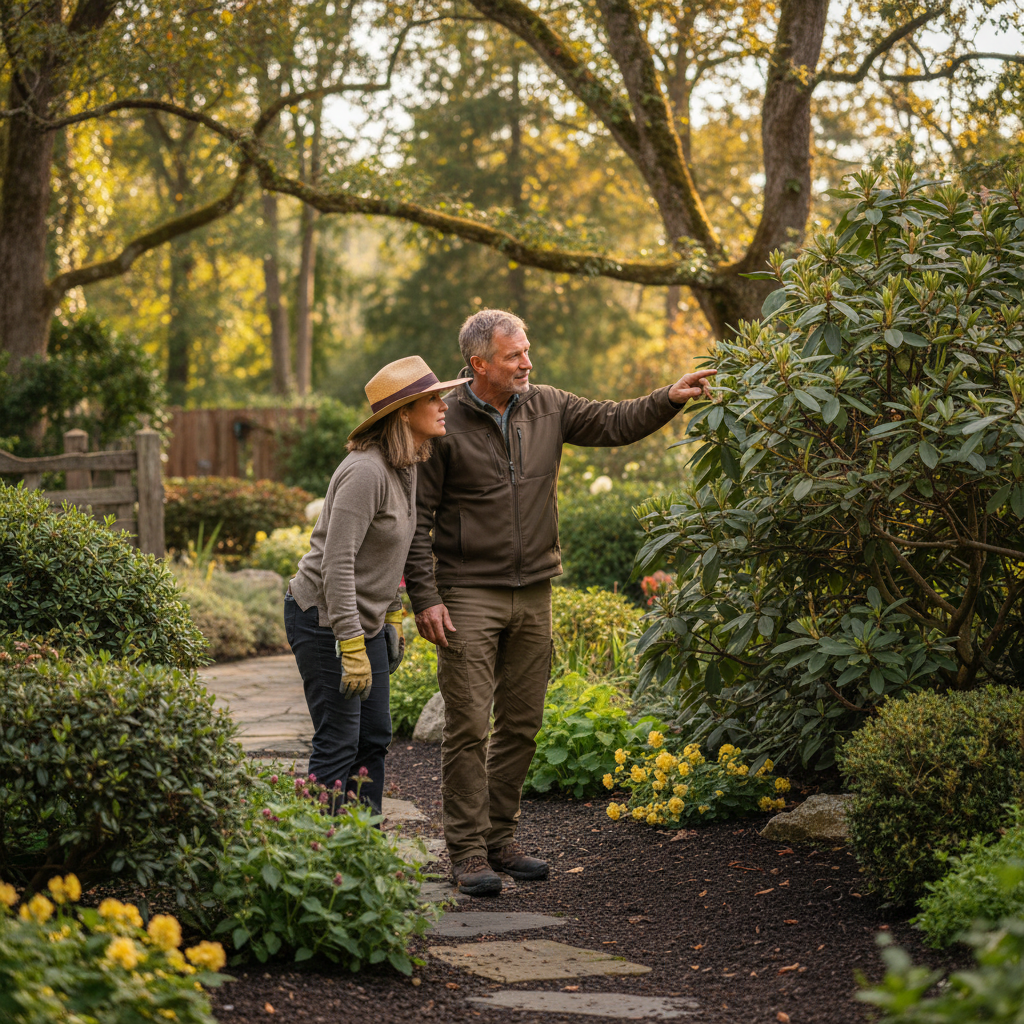
The Utah Landscape Incentive Program is a statewide initiative designed to help residents transition away from thirsty, high maintenance turf. Administered through the Utah Water Savers platform, the program offers a financial rebate of up to $3 per square foot for lawn area replaced with water efficient landscaping. This is not a tax credit or a discount on seeds; it is a direct reimbursement for transforming your property into a more sustainable environment.
For property owners in Scipio and surrounding Millard County, this program is particularly impactful. Unlike dense suburban developments, our semi-rural lots often feature expansive grass areas that serve little functional purpose but consume thousands of gallons of water. When you scale a $3 per square foot rebate across a larger residential lot, the financial support can cover a substantial portion of the materials and landscaping services required for the project. This makes large scale property enhancement much more accessible for local landowners.
Eligibility relies on a few strict requirements. Most importantly, your lawn must be living and maintained at the time of your application. The program requires pre-approval and a site visit before any grass is disturbed. This ensures the state can verify the square footage and confirm that you are installing Utah Landscape Incentive Program drought-tolerant plants that meet regional water saving standards. Our portfolio of local projects demonstrates how these conversions can be aesthetically superior to a simple lawn while meeting all state requirements for reimbursement. By focusing on plants acclimated to our specific elevation and climate, you ensure your project qualifies for the rebate and thrives long after the check arrives.
The 70 30 Rule: Designing Your Landscape for Rebate Approval

A common misconception about water-wise landscaping is the idea of "zeroscaping," where a lawn is replaced entirely by gravel or crushed rock. State rebate programs specifically aim to avoid the "heat island" effect that occurs when properties are stripped of vegetation. To qualify for the rebate, your design must follow the 50/70 rule. This requires that 50 to 70 percent of the converted area be covered by the plant canopy once the vegetation reaches its mature size.
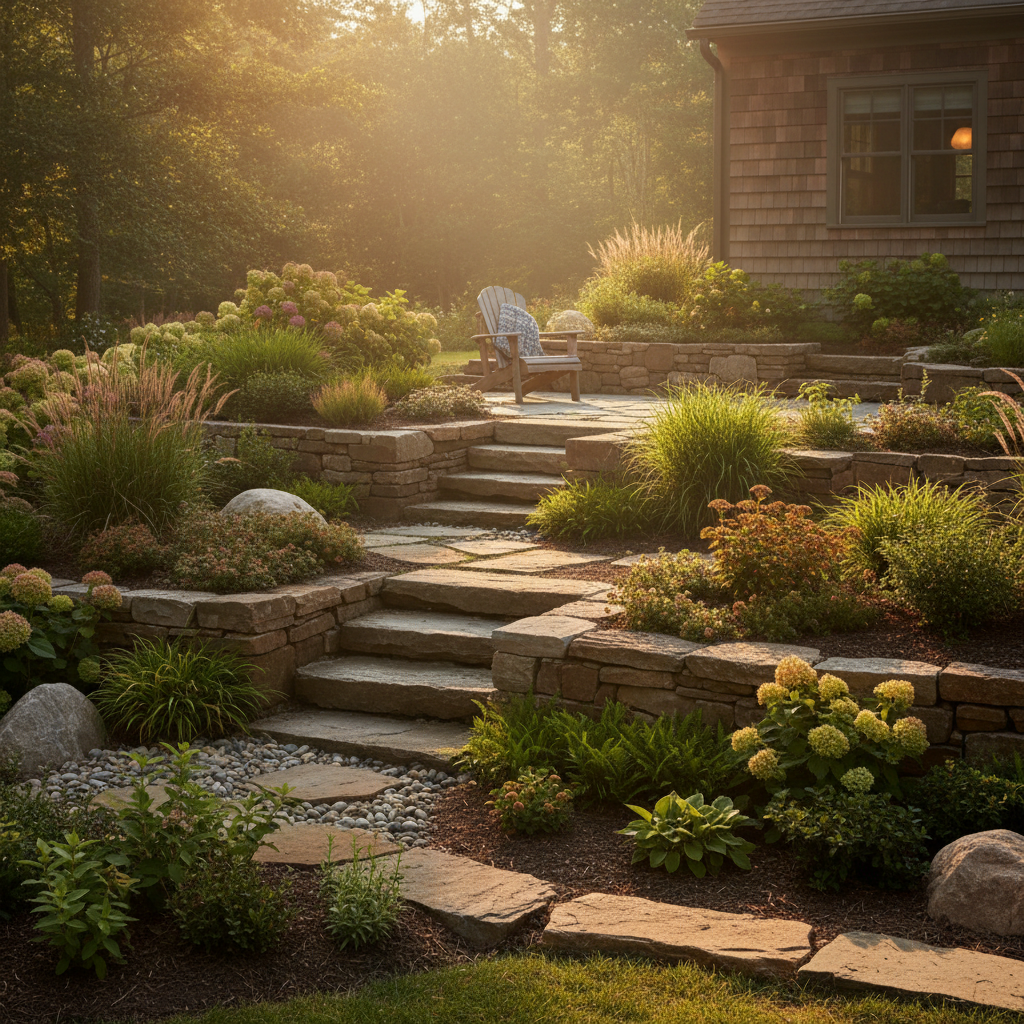
This rule ensures that your property remains a living, breathing ecosystem. While the remaining 30 to 50 percent of the space can be filled with wood mulch or decorative stone, the focus remains on the Utah Landscape Incentive Program drought-tolerant plants. Designing with the plant's mature width in mind is crucial; a small starter shrub might only take up a square foot now, but a mature Russian Sage or Serviceberry will provide several feet of coverage later. By selecting a diverse mix of groundcovers, shrubs, and perennials, you can create a yard that feels lush and intentional rather than barren. This approach balances water conservation with the cooling benefits and beauty of a functional landscape. Viewing a portfolio of local projects can help you visualize how these ratios look in a real Scipio yard, ensuring your project meets the state's standards for both aesthetics and environmental impact.
Top Drought-Tolerant Plants for Scipio and Central Utah
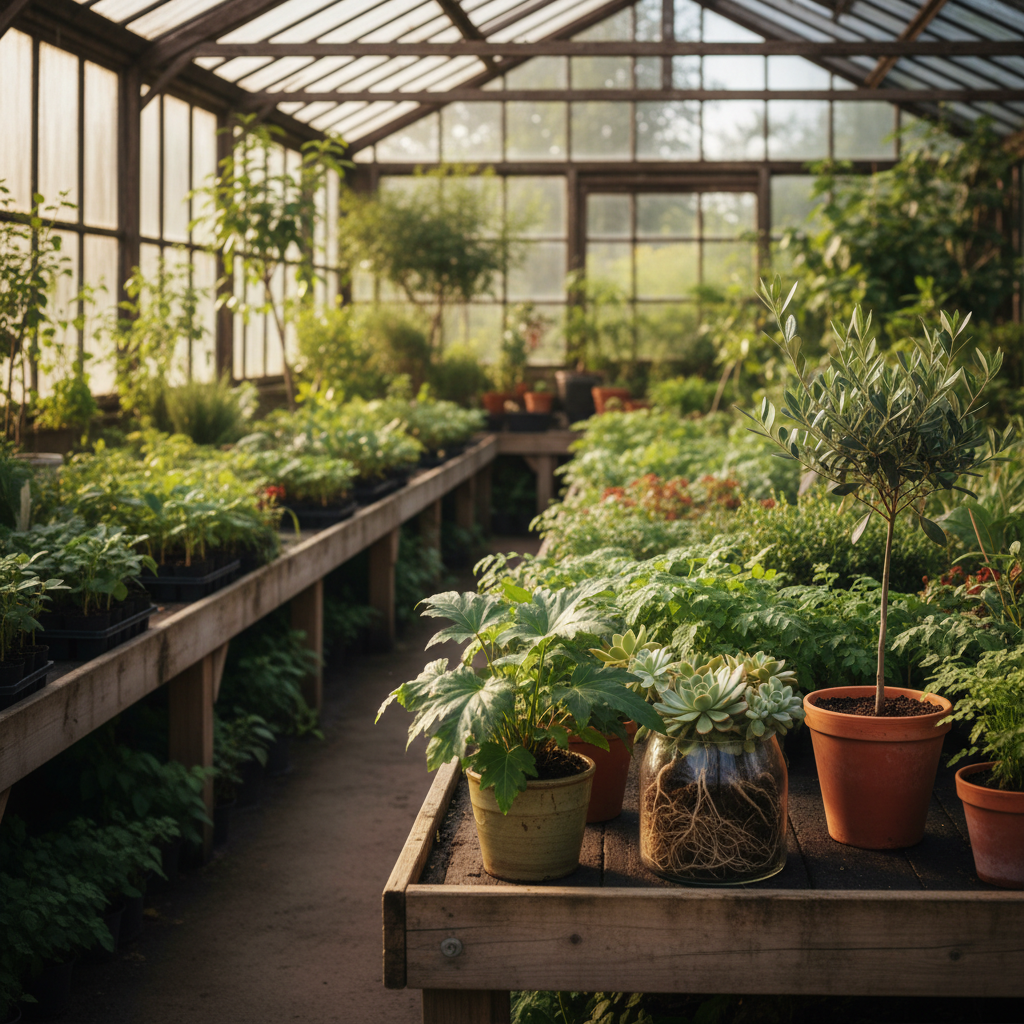
Selecting the right species for your landscape conversion ensures that you meet the canopy coverage requirements while minimizing the risk of plant loss during a harsh winter. In Scipio, we operate within USDA Hardiness Zone 6a. This means any Utah Landscape Incentive Program drought-tolerant plants you install must survive winter lows of negative ten degrees Fahrenheit, all while resisting the intense solar radiation and low humidity of our high-altitude summers.
At Scipio Plants, we prioritize varieties already acclimated to the high desert. Sourcing a plant grown in a humid, low-elevation nursery often leads to transplant shock once it hits our alkaline soil and drying winds. We select specific varieties for their ability to thrive in Millard County with minimal intervention.
Plant Name | Type | Key Benefit | Mature Spread |
|---|---|---|---|
Utah Serviceberry | Shrub/Small Tree | Local heritage; provides spring blooms and edible berries. | 8–12 feet |
Russian Sage | Perennial Shrub | Extremely hardy; thrives in poor, alkaline soil with zero supplemental water. | 3–4 feet |
Firecracker Penstemon | Perennial | Vibrant red blooms that attract hummingbirds; native to Utah deserts. | 1.5–2 feet |
Little Bluestem | Ornamental Grass | Deep root systems for soil stability; offers striking fall color. | 1.5–2 feet |
Russian Sage is a staple for local projects because its silver foliage and purple stalks provide massive canopy coverage for the rebate requirement without demanding high water volume. Similarly, the Utah Serviceberry connects your property to the natural heritage of the Sevier Valley, offering structural height and wildlife value.
Our landscaping services focus on these resilient varieties because they drastically reduce the learning curve for new xeriscape owners. By starting with stock that understands our climate, you ensure your investment survives the first critical year. You can view how these species mature and interact in our portfolio of local projects to help plan your own rebate-eligible layout.
Step by Step: How to Apply and Avoid Common Mistakes
The most critical rule of the Utah Landscape Incentive Program is one of timing. Do not kill, spray, or remove your grass before your application is officially approved and a site visit has been conducted. The program requires documentation of healthy, maintained turf to qualify for reimbursement. If the inspector arrives to find a patch of dirt or dead weeds, your application will be denied immediately.
To ensure a successful application, follow these steps in order:
Submit the Application: Provide 'before' photos and a clear landscape plan. This plan must specify the layout of your new garden beds and the intended plant spacing. Including a professional plant list of Utah Landscape Incentive Program drought-tolerant plants from a local source like Scipio Plants helps the reviewers see that your project aligns with regional requirements from the start.
Site Inspection: A representative will visit your property to verify the square footage of the lawn being replaced. They must see that the grass is currently being irrigated and maintained.
Project Execution: Once you receive an official 'Notice to Proceed,' you can begin the physical work. This is the stage where our landscaping services can help with everything from turf removal to the technical aspects of planting for long term success.
Final Approval and Payment: Submit your 'after' photos and documentation. After a final review to ensure the canopy coverage meets the program's standards, your rebate check will be processed.
Utilizing our portfolio of local projects as a reference can help you draft a plan that state reviewers find easy to approve; this reduces the risk of technical delays during the submission process.
Calculating Your Savings: Rebates plus Long-Term Water Reductions
The financial impact of a landscape conversion begins with a direct offset of your initial investment. For a typical Scipio residence, replacing a 1,000 square foot section of non-functional turf with Utah Landscape Incentive Program drought-tolerant plants yields a $3,000 rebate check. While the upfront costs for materials and landscaping services vary based on plant density and hardscaping choices, this rebate often covers a majority of the project expenses.
Beyond the initial check, the true return on investment accumulates through monthly utility savings and reduced upkeep. Traditional lawns require consistent aeration, fertilization, and high-volume irrigation to survive Millard County summers. By transitioning to water-wise varieties, most property owners see a significant drop in their summer water bills.
Expense Category | Traditional Turf Maintenance | Water-Wise Landscape ROI |
|---|---|---|
Water Usage | High (Approx. 60% of total) | 50% to 80% reduction |
Mowing & Fuel | Weekly during growing season | Eliminated |
Fertilizer | 2 to 4 applications per year | Minimal to none |
Aeration/Power Raking | Annual or bi-annual requirement | Eliminated |
Furthermore, professionally designed xeriscaping increases property value. In drought-prone regions like Central Utah, buyers increasingly value landscapes that do not carry the burden of high water costs or intensive labor. Reviewing our portfolio of local projects shows that these landscapes offer a sophisticated, high-end look that simple grass cannot match; they provide a resilient asset that saves money every month while enhancing the overall marketability of your home.
Beyond the Rebate: Maintaining Your Water-Wise Investment
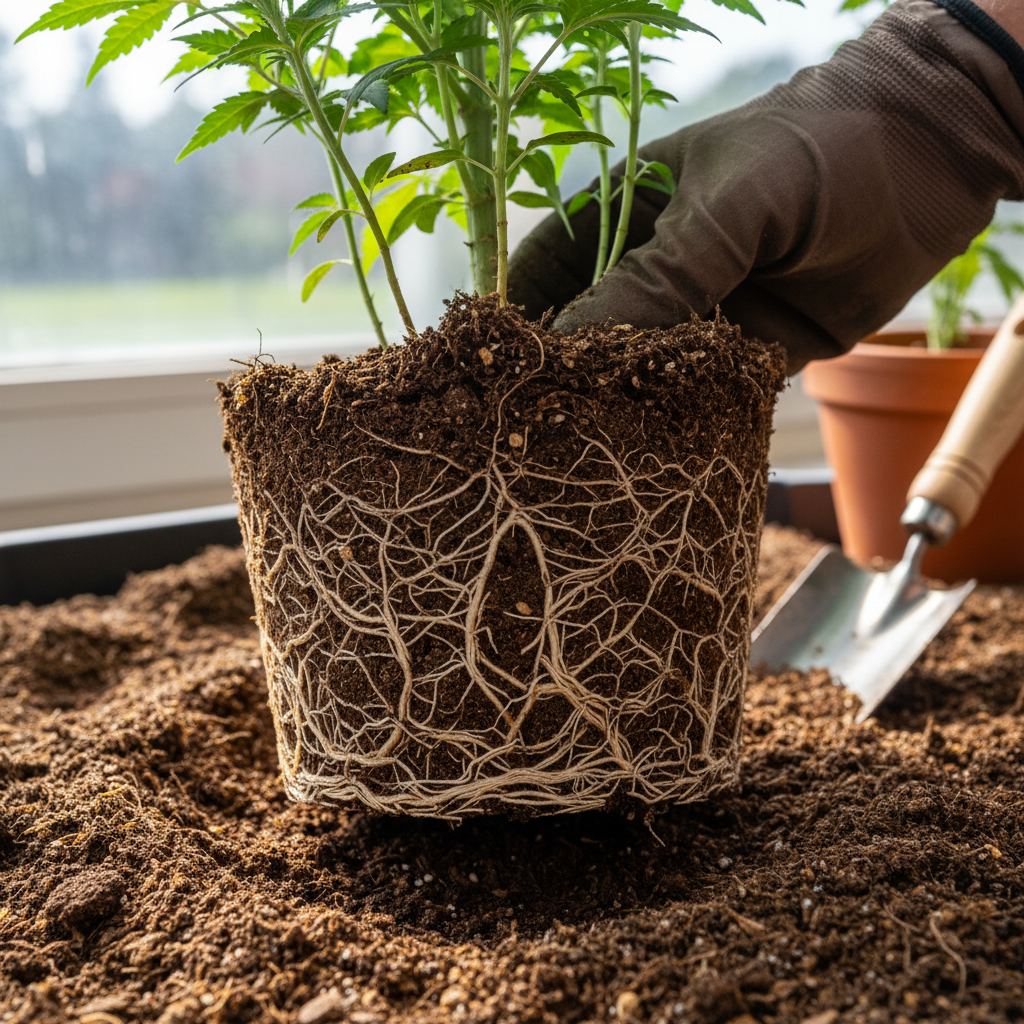
Securing your rebate is a significant milestone, but the long-term success of your landscape depends on the care provided during the first two growing seasons. While Utah Landscape Incentive Program drought-tolerant plants are genetically equipped for aridity, they require consistent supplemental irrigation until their root systems fully establish. During this transition phase, treat your new perennials and shrubs like high-maintenance guests. Deep, infrequent watering encourages roots to push down past the surface heat, searching for the moisture reserves you cultivated during your initial soil preparation in Utah.
In Scipio, our drying winds can strip moisture from the topsoil in hours. To combat this, maintain a three to four inch layer of organic mulch around the base of your plants. Mulch acts as a thermal blanket, keeping soil temperatures stable and preventing evaporation. As the mulch breaks down, it improves the tilth of our native heavy soils, further supporting plant health.
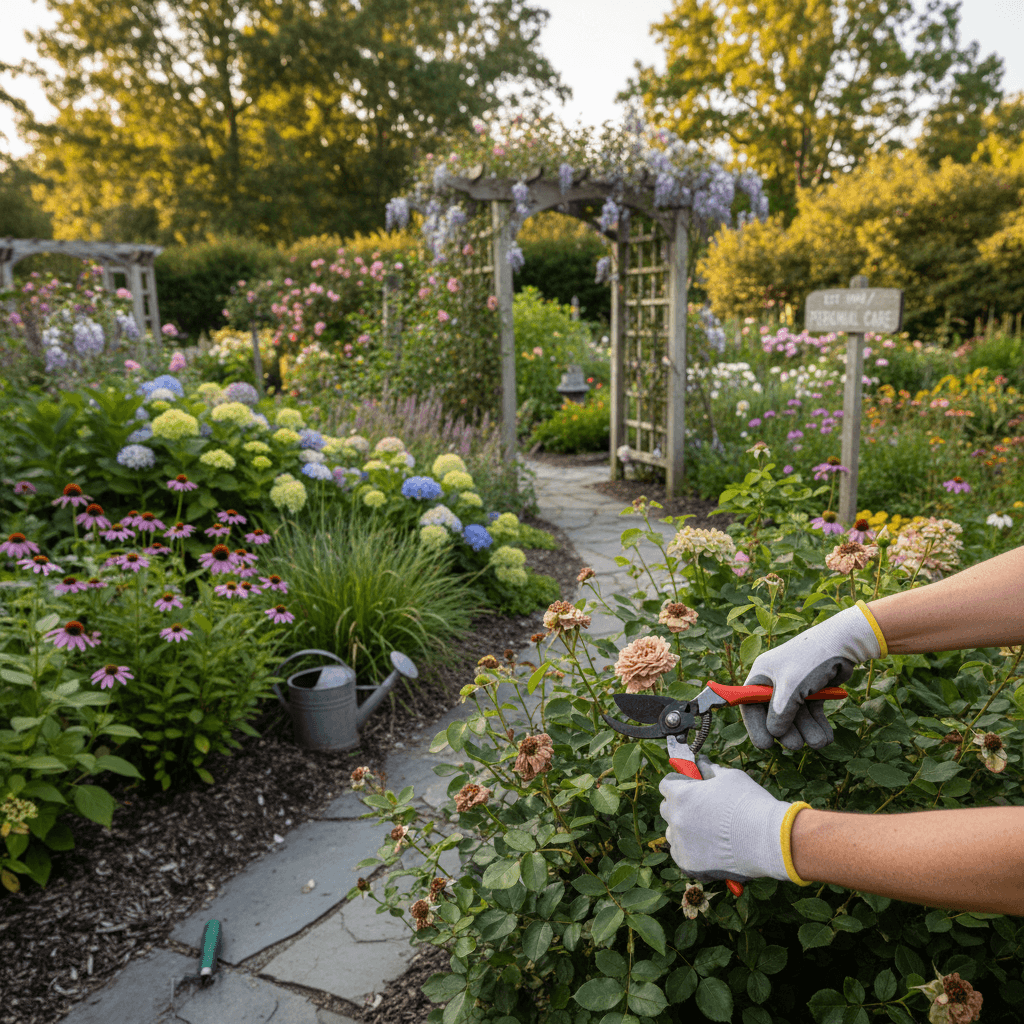
Once established, your reliance on landscaping services will shift from intensive maintenance to occasional pruning and mulch refreshment. This proactive management ensures that your yard remains the water-saving asset it was designed to be. You can see how these mature landscapes evolve by browsing our portfolio of local projects, which showcases the beauty of properly maintained high-desert gardens.
Transforming your Scipio yard with drought-tolerant plants is a rewarding way to save both water and money through local incentive programs. By choosing native species, you contribute to Utah’s conservation efforts while enjoying a vibrant, low-maintenance landscape. While the process is straightforward, planning the perfect garden takes time and precision. If you would like some expert help with your next project, explore our services to see how we can assist. Together, we can create a sustainable outdoor space that flourishes for years to come.