Establishing a thriving utah high desert vegetable garden involves prioritizing soil health through organic amendments and selecting heirloom varieties that tolerate arid conditions. Proper timing is also essential; gardeners should plant cool-season crops when the soil becomes workable and wait until the danger of frost passes for warm-season vegetables.
Gardening in the high desert of Central Utah often feels like a battle against the elements rather than a peaceful hobby. Between the alkaline soil that resists standard nutrients and the relentless wind that parches tender leaves, beginners frequently face stunted growth or total crop failure. Mastering this landscape is essential for anyone who wants to provide fresh, sustainable food for their family in our unique climate. In this guide, we will move beyond generic gardening advice to focus on the specific realities of Scipio and the surrounding high valleys. You will learn how to navigate unpredictable frost dates, implement efficient drip irrigation, and apply the 70, 30 rule to ensure your garden thrives. From soil preparation to selecting the hardiest vegetable varieties, we provide the practical expertise necessary to turn our harsh desert environment into a productive oasis.
The Unique Challenges of Central Utah Vegetable Gardening
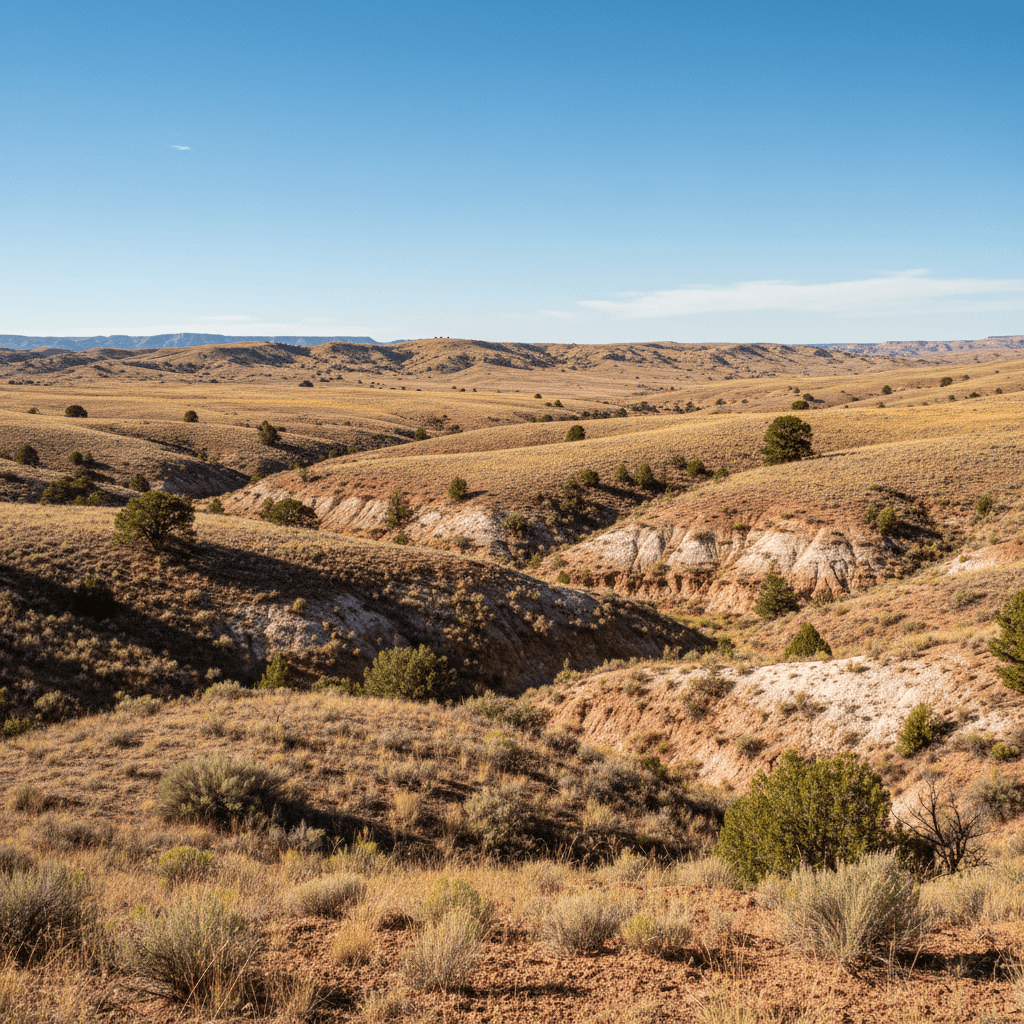
Cultivating a successful utah high desert vegetable garden requires moving beyond the general advice found in national magazines. In Scipio and across Millard County, our environment is shaped by an elevation of approximately 5,300 feet. This altitude significantly distinguishes our local climate from the Wasatch Front. While Salt Lake City gardeners might be planting in early May, Scipio growers must navigate a shorter, more condensed season where every frost-free day counts.
The high desert presents a specific atmospheric trifecta: extremely low humidity, high UV intensity, and dramatic temperature swings between day and night. It is not uncommon for a blistering 90-degree afternoon to be followed by a 50-degree night. These fluctuations can stress sensitive plants like peppers and tomatoes, which may drop blossoms if the temperature delta is too wide. Furthermore, the thin air at our elevation provides less protection from solar radiation, meaning sunscald is a genuine risk for both fruit and foliage.
Despite these hurdles, the intensity of our sunlight can lead to exceptional flavor profiles in root crops and leafy greens. By utilizing sustainable growing practices and understanding the local microclimate, you can produce a resilient and abundant harvest. Success here depends on respecting the land's limitations while leveraging its unique strengths.
Understanding Frost Dates and Elevation in Scipio
Managing a successful utah high desert vegetable garden requires a disciplined approach to timing. Elevation is the primary driver of our local climate; at 5,300 feet, Scipio operates on a much tighter schedule than the valleys below. While garden centers in Salt Lake City may promote planting in early May, our last frost often lingers until the final week of May. Conversely, the first killing frost can arrive as early as mid-September. This condensed window leaves roughly 110 frost-free days, making every week of growth critical.
Local growers should avoid generalized Utah planting calendars that favor lower altitudes. Instead, consult Utah State University (USU) extension data specifically categorized for "West Mountain" or high-elevation zones. Relying on data from Millard County high-desert stations ensures your expectations align with reality. A common mistake is planting based on a few warm afternoons in April, only to lose an entire crop to a late-spring cold snap.
Soil temperature is just as vital as air temperature when determining your planting schedule. Even if the air feels mild, the ground at this elevation takes longer to warm up. Warm-season crops like tomatoes and peppers require a consistent soil temperature of at least 60 degrees Fahrenheit to thrive without stunting. If you are unsure how to time these transitions, seeking professional planting and growth support can help you avoid the common pitfalls of the high-desert transition. Monitoring the ground with a simple soil thermometer provides far more accuracy than the calendar alone. Use these readings to ensure the root zone is hospitable before transplanting your starts.
Preparing High Desert Soil for Success
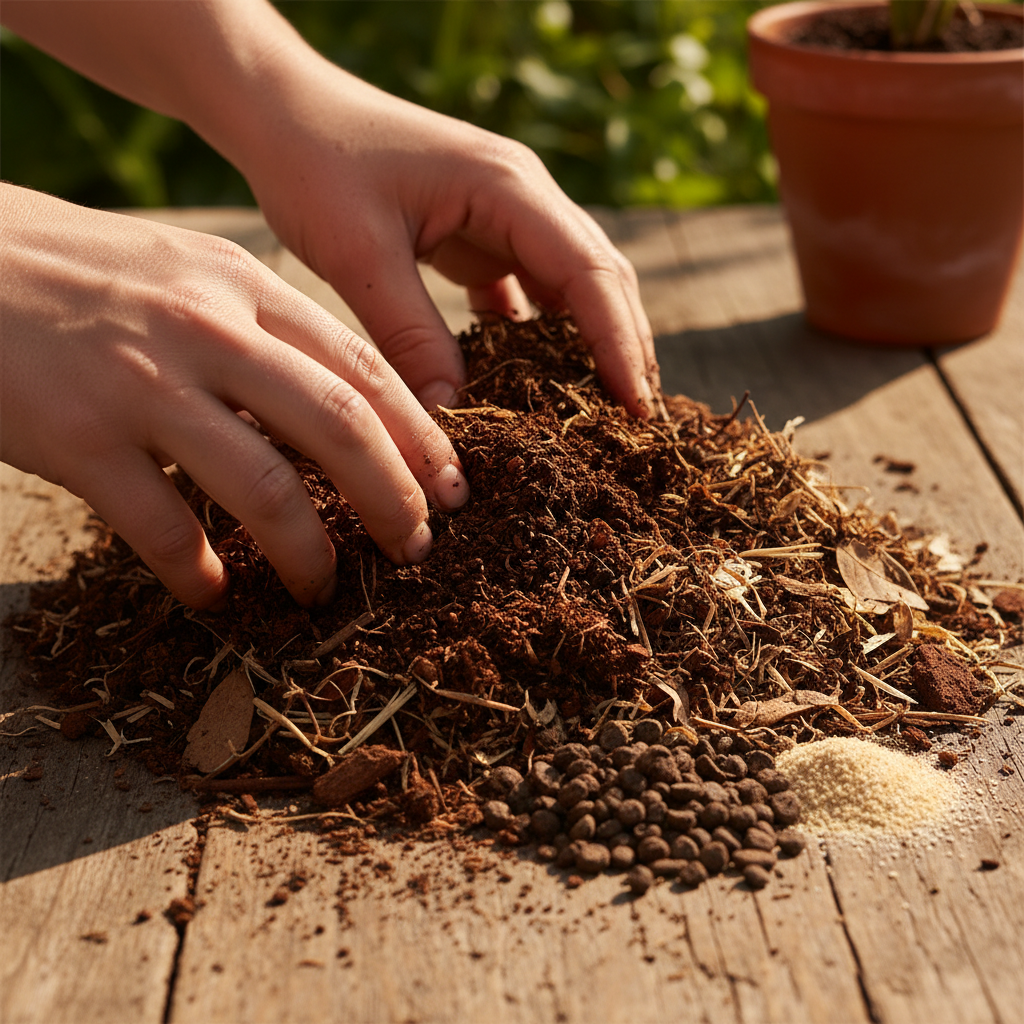
The soil in Scipio and Millard County often presents a dual challenge: high alkalinity and extreme texture. Most local ground is either heavy clay that turns to concrete in the summer or porous sand that loses moisture instantly. Because our soils typically have a pH above 7.5, essential nutrients like iron and phosphorus become chemically locked away from your plants. To grow a productive utah high desert vegetable garden, you must focus on building soil structure rather than just adding fertilizer.
One of the most effective ways to start a new plot is through sheet mulching, also known as lasagna gardening. Many beginners ask, "Why put cardboard in the bottom of a raised bed?" The answer lies in the harshness of our native environment. A layer of plain, unwaxed cardboard serves as a biodegradable barrier that smothers aggressive desert weeds and grasses. As it breaks down, it creates a moist micro-environment for earthworms and beneficial microbes to thrive; this effectively tills the soil for you without disturbing the delicate fungal networks below.
Over this cardboard base, you should layer high-quality organic amendments. We recommend a heavy application of compost and well-aged manure. These materials do more than provide nitrogen. They act as a buffer for our alkaline soil. Organic matter increases the soil's cation exchange capacity, making it easier for plants to regulate their nutrient intake despite the high pH. For those dealing with particularly stubborn sites, Scipio Plants provides professional planting and growth support and specialized soil conditioning to ensure your foundation is ready for the intense growing season. Regularly incorporating these organic materials each year will gradually transform lean desert earth into a rich, moisture-retaining loam.
Easiest Vegetables for Utah Beginners
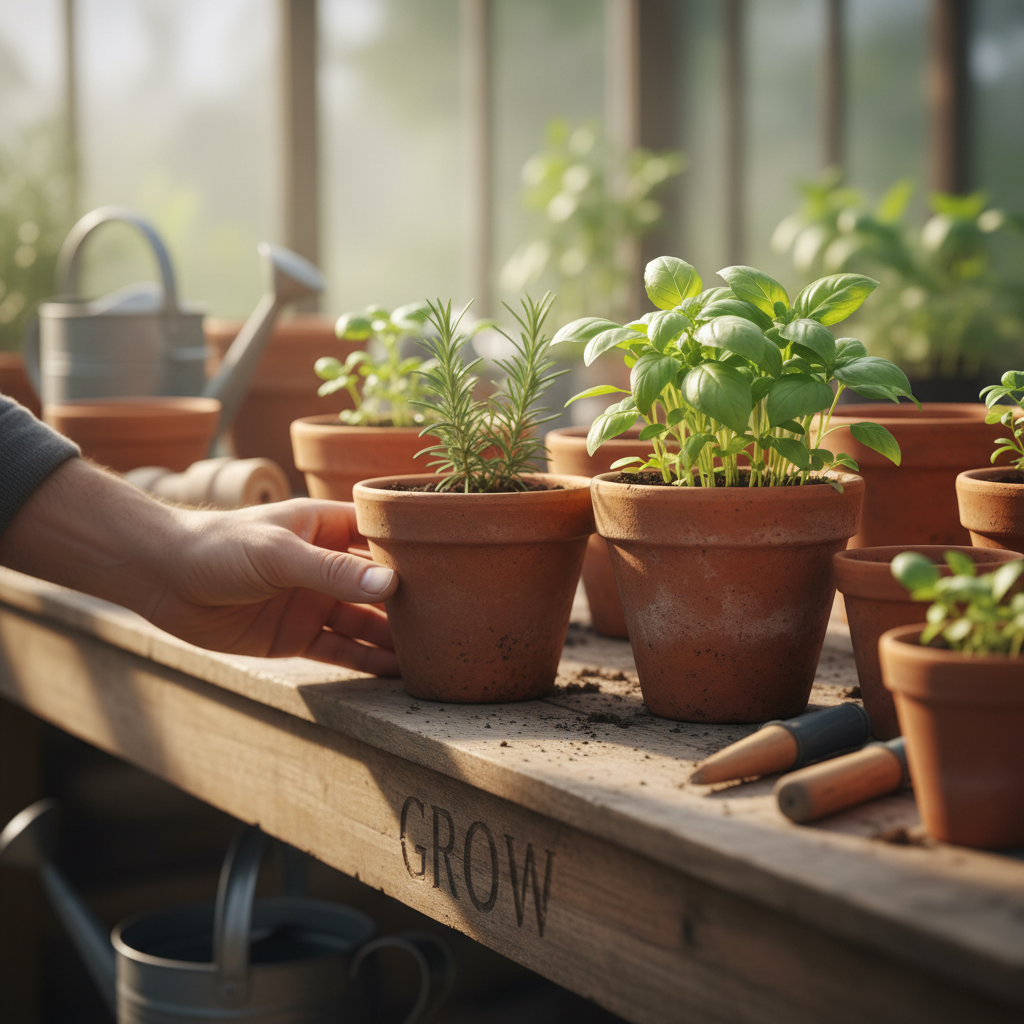
Choosing the right crops for a utah high desert vegetable garden involves prioritizing varieties that can handle intense sun or quick temperature drops. For beginners in Scipio, starting with cool-season vegetables provides an early win. These plants thrive in the cooler soil of late April and early May, allowing you to maximize the growing season before the mid-summer heat arrives.
### Reliable Cool-Season Crops - Peas and Radishes: These are ideal for the first spring push. Radishes can mature in as little as 25 days, which provides quick encouragement for new gardeners. - Spinach and Kale: These leafy greens are exceptionally frost-tolerant. In our elevation, a light frost can actually improve their flavor by converting starches into sugars.
### High-Yield Warm-Season Crops Once the risk of frost passes in late May, shift your focus to warm-season staples. Because Scipio has a condensed frost-free window, variety selection is paramount. We strongly recommend planting determinate tomatoes rather than indeterminate ones. Determinate varieties grow to a specific, manageable height and ripen their entire crop within a concentrated period. This is essential for our climate because indeterminate vines often continue producing new green fruit into September, only to have the harvest ruined by an early freeze before the fruit can ripen.
Other reliable warm-season options include bush beans and zucchini. These plants are prolific and generally hardy enough to handle the intense UV levels of Central Utah, provided they have consistent moisture.
When people ask, "What vegetable is Utah known for?" the conversation usually turns to sweet corn and onions. Growing onions successfully in Scipio requires an early start. You should aim to get onion sets or starts in the ground by late March or early April. Onions are sensitive to day length; they need to establish significant green growth during the cooler spring months so they have the energy to bulb properly before the July heat peaks. If planted too late, the plant will prioritize survival over bulb development, resulting in a disappointing harvest. For gardeners who want to ensure their timing and plant selection are optimized for the local environment, seeking professional planting and growth support can help bridge the gap between a struggling plot and a flourishing harvest. Integrating these hardy varieties with sustainable growing practices will create a more resilient garden capable of handling the high-desert transition.
Navigating High Desert Sun and Wind
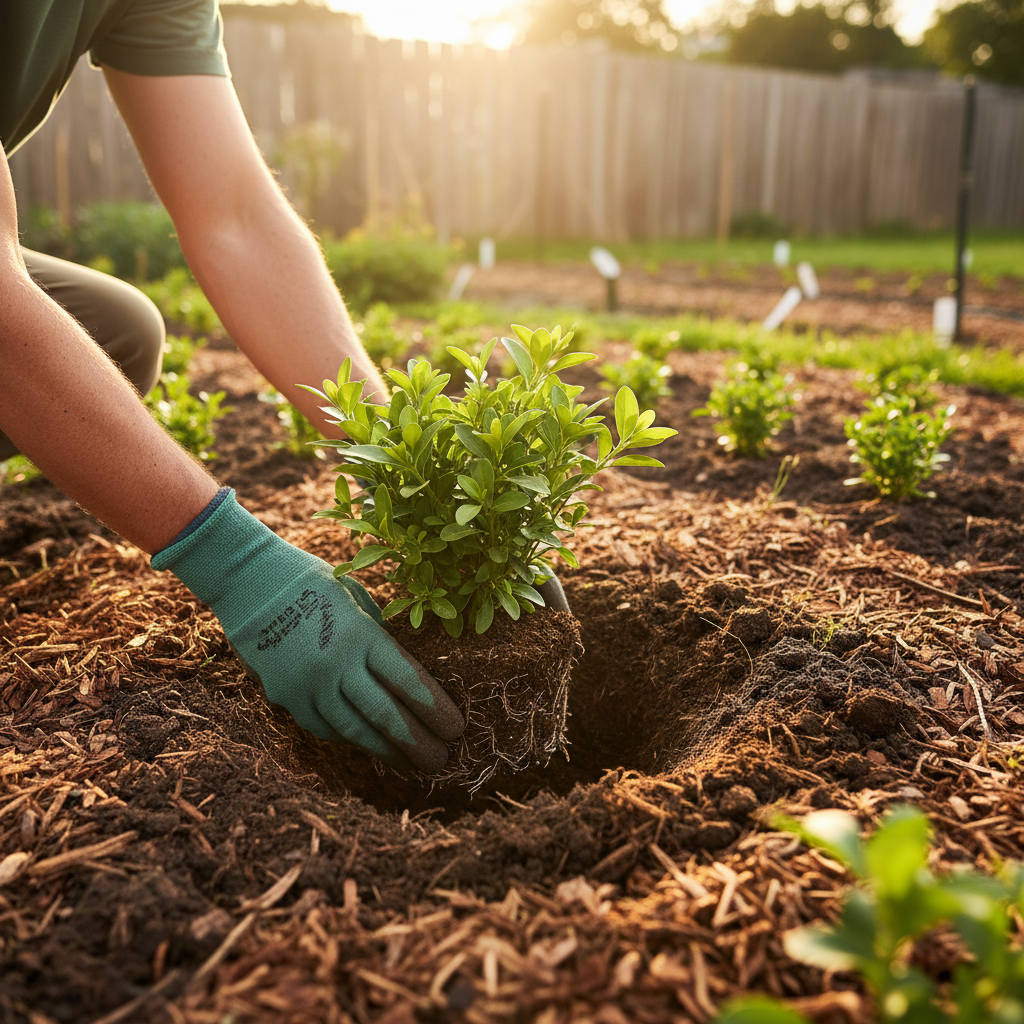
In Scipio, the wind often presents a more significant threat to a utah high desert vegetable garden than the temperature itself. Constant gusts increase transpiration rates, effectively sucking moisture out of foliage faster than roots can replace it. This results in mechanical stress and leaf tattering that can permanently stunt growth. To protect vulnerable seedlings during the spring transition, utilize temporary structures like Wall-o-Waters for tomatoes or floating row covers for leafy greens. These tools provide a physical buffer and help maintain a consistent microclimate around the plant base.
For long term property resilience, establishing permanent windbreaks is one of the most effective investments you can make. Scipio Plants offers professional planting and growth support to design and install wind barriers that shield your garden from the prevailing gusts characteristic of Millard County. Beyond physical protection, managing your own energy is equally important. Adhere to the three hour gardening rule; in our climate, this means finishing heavy labor before 10 AM. Working during the cool dawn hours prevents heat exhaustion for the gardener and ensures that plants are handled when their internal turgor pressure is highest, which significantly reduces the risk of transplant shock and moisture loss.
Watering Strategies and Drip Irrigation
In the arid atmosphere of Millard County, water is a precious resource that requires precise management. Overhead watering is notoriously inefficient for a utah high desert vegetable garden; our exceptionally low humidity and frequent winds cause significant moisture loss through evaporation before droplets even reach the soil. This method also leaves foliage damp, which can ironically lead to fungal issues or sunscald despite our dry climate.
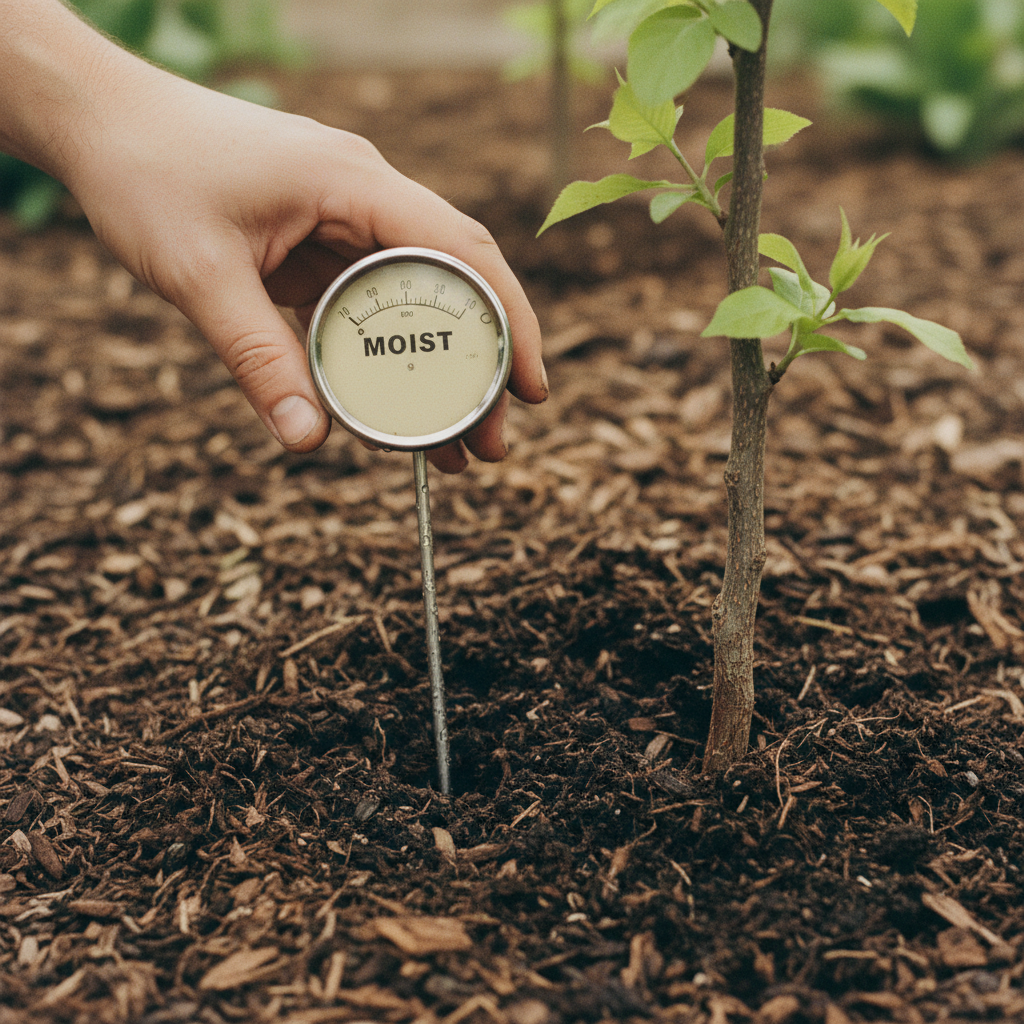
Transitioning to drip irrigation is the most effective way to ensure your plants thrive. This system delivers water directly to the base of the plant, minimizing waste and preventing soil crusting. Success depends on a deep, infrequent watering strategy. By soaking the ground thoroughly and then allowing the top inch to dry, you encourage roots to dive deep into the cooler, subterranean soil. These robust root systems are what allow a garden to survive a relentless July afternoon. To verify your efforts, use a moisture meter to probe past your mulch layer. This tool confirms that water is truly penetrating the root zone rather than just dampening the surface. For detailed timing, consult a drip irrigation watering schedule tailored specifically for our high elevation environment.
The 70, 30 Rule and Other Gardening Methods
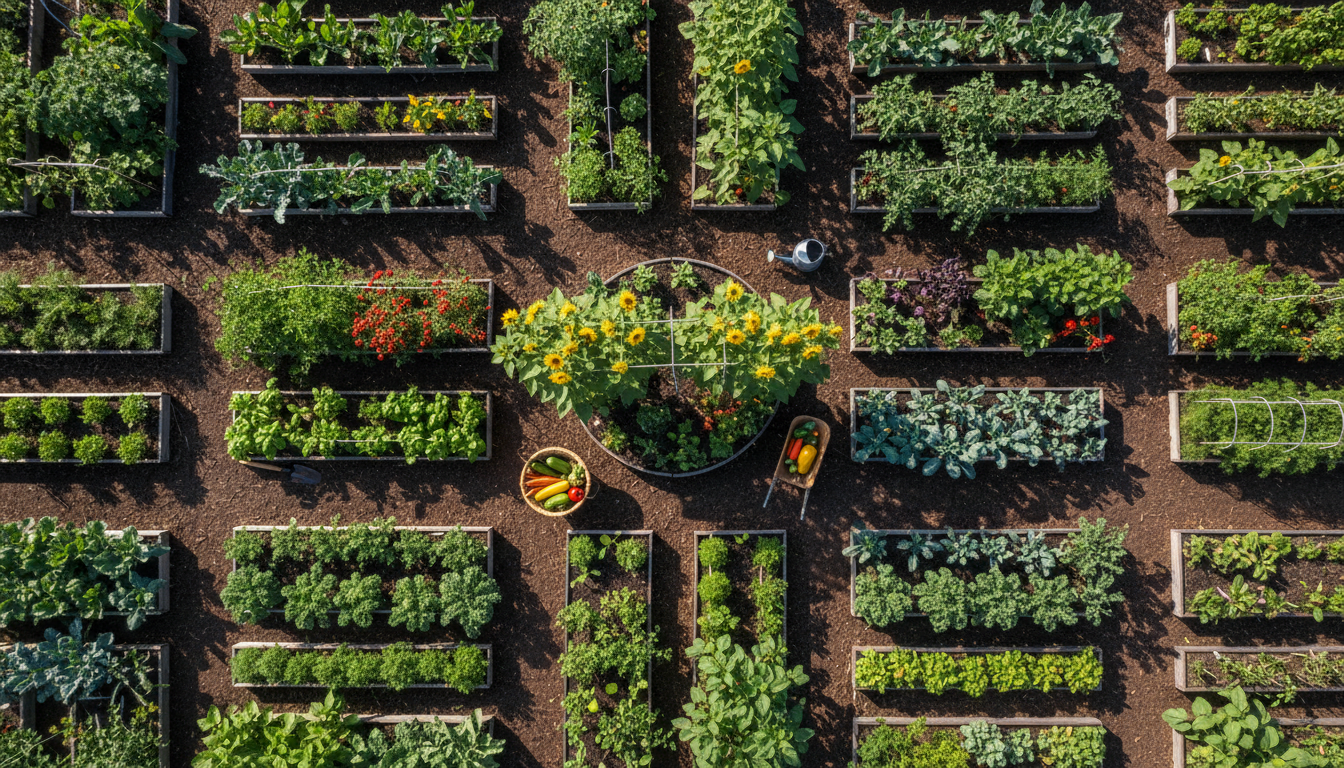
Once you establish a watering routine, focus on organizing your planting layout to ensure long term success. The 70/30 rule is an essential strategy for a utah high desert vegetable garden. This method dictates that 70 percent of your plot should consist of reliable producers known for local hardiness, like chard, peas, and bush beans. The remaining 30 percent is reserved for experimental varieties that may be more temperamental in Scipio's high-altitude climate.
To manage variety without feeling overwhelmed, many beginners use the 5-4-3-2-1 method. This involves planting five types of leafy greens, four types of root vegetables, three types of fruiting plants, two types of vining crops, and one perennial herb. This structured approach ensures a diverse harvest while keeping the workload manageable. For residents seeking tailored advice on crop selection, Scipio Plants offers professional planting and growth support to help implement these sustainable growing practices effectively.