Utah homeowners can conserve water and reduce maintenance by choosing Utah lawn alternatives drought tolerant ground cover such as clover, buffalograss, or fine fescue blends. These sustainable options thrive in high desert climates and often qualify for financial rebates of up to $3 per square foot through state incentive programs. Native xeriscaping and drought-resistant grasses provide a resilient; low-water solution that maintains curb appeal while significantly lowering monthly utility bills.
Maintaining a lush, green lawn in the high desert of rural Utah often feels like a losing battle against rising water rates and blistering summer heat. For property owners in Scipio and the surrounding regions, conventional Kentucky bluegrass is no longer a sustainable luxury; it is a resource heavy liability that demands constant intervention. Transitioning to drought tolerant ground cover is not simply an aesthetic choice. It is a strategic move to secure your landscape against an increasingly arid climate while reducing labor. In this guide, we examine how to leverage the Utah Landscape Incentive Program to offset conversion costs. You will discover the most resilient grass alternatives and native steppables suited for our unique soil chemistry. We also provide a technical framework for replacing struggling turf with a sophisticated, water wise ecosystem that thrives on neglect.
The Shift Toward Water Wise Landscaping in Scipio and Rural Utah
Scipio sits in a demanding high desert environment where annual precipitation is scarce, drying winds sweep across the basin, and high-altitude UV rays scorch delicate foliage. These environmental stressors make traditional Kentucky Bluegrass an increasingly impractical choice for rural Utah properties. Maintaining a thirsty, cool-season lawn in Millard County requires significant financial investment and constant irrigation, yet it often results in patchy, stressed turf during the peak of July.
We are seeing a definitive shift toward more resilient landscaping. Unlike generic big-box stores that stock plants for a broad national market, Scipio Plants focuses on high-quality plant sourcing specifically tailored for our local conditions. We understand that success depends on matching the right species to the unique soil chemistry and temperature swings of the Great Basin.
Transitioning to Utah lawn alternatives drought tolerant ground cover is not just about conservation; it is about creating a landscape that thrives with minimal intervention. This article uses the Localscapes framework, a method designed by Utah experts to optimize yard functionality while reducing water waste. By prioritizing native and pollinator-friendly plants, you can build a property that remains vibrant and resilient despite the intense Utah sun.
Maximizing the Utah Landscape Incentive Program: Getting Paid to Replace Turf
The most significant hurdle for many property owners in Scipio is the initial cost of landscape conversion. The Utah Landscape Incentive Program directly addresses this by offering a rebate of up to $3 per square foot for the removal of living turf. This state-wide effort, managed through the Utah Department of Natural Resources and participating water districts, aims to permanently reduce outdoor water consumption by incentivizing Utah lawn alternatives drought tolerant ground cover and smarter irrigation systems.
To qualify for these funds, homeowners must meet specific criteria before turning off the sprinklers. The program generally requires the removal of active, living lawn; you typically cannot receive a rebate for a patch of dirt that has been neglected for years. The replacement landscape must follow water-efficient design principles, often mandating a certain percentage of plant coverage at maturity, such as 50 percent, and the use of permeable materials like organic mulch or gravel in non-planted areas.
Scipio Plants assists property owners by providing high-quality plant sourcing for species that meet these rigorous state standards. Because the program requires specific plant densities to ensure the area does not become a heat island, selecting the right varieties for our elevation is critical. You should verify your specific eligibility through the Utah Water Savers portal or check with Millard County and Scipio municipal offices for additional local ordinances. Most programs require a pre-inspection or a formal application approval before any grass is actually removed, so documenting your existing lawn with photos is a mandatory first step.
Best Drought Tolerant Grass Alternatives for Utah High Desert Soil
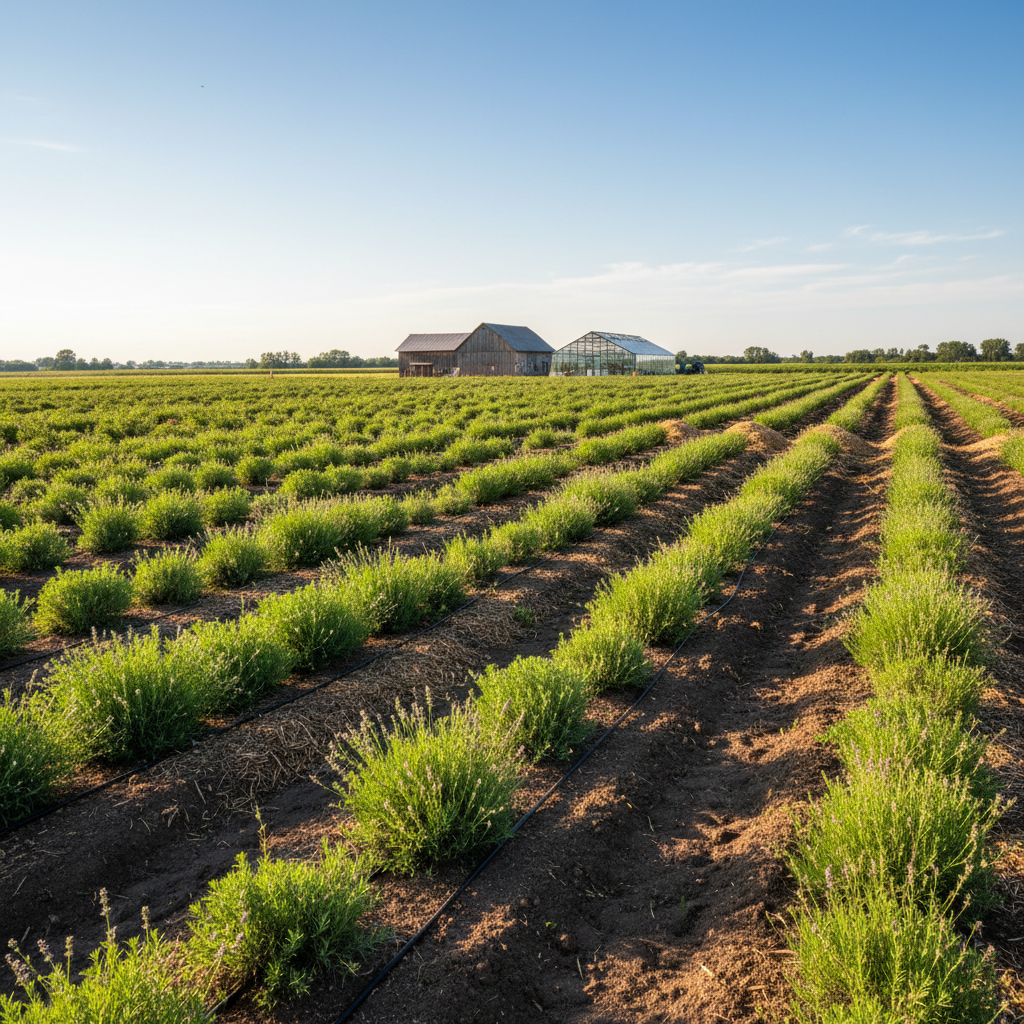
Selecting the right species requires understanding the distinction between warm-season and cool-season grasses. In the Scipio Valley, warm-season grasses like Buffalograss and Blue Grama are premier Utah lawn alternatives drought tolerant ground cover options for full-sun areas. These species thrive when temperatures rise, entering their peak growth phase just as Kentucky Bluegrass begins to struggle. Once established, these alternatives require 50 to 70 percent less water than traditional sod, significantly reducing monthly utility costs.
However, there are specific trade-offs to consider. A common question regarding these species is, "What are the downsides of buffalo grass?" The primary drawback for some homeowners is the shorter green period. Buffalograss stays dormant longer in the spring, often not greening up until late May, and it returns to a straw-tan color with the first hard frost in autumn. It also lacks the dense, carpet-like feel of Bluegrass, meaning it is better suited for low-traffic aesthetics rather than high-impact recreation areas.
Grass Type | Season | Sunlight | Water Need (vs. Bluegrass) |
|---|---|---|---|
Buffalograss | Warm | Full Sun | 60 to 70% Less |
Blue Grama | Warm | Full Sun | 50 to 60% Less |
Fine Fescue | Cool | Shade/Part Sun | 40 to 50% Less |
For areas of your property that receive significant shade from structures or windbreaks, warm-season grasses will fail. In these microclimates, Fine Fescue blends, including Hard Fescue and Sheep Fescue, are the superior choice. These cool-season grasses maintain a deep green color even in lower light and possess a thin, needle-like leaf texture that requires far less mowing. Success with any of these varieties begins with proper soil preparation in Utah, as our heavy clay or sandy loam soils need to be loosened to allow deep root penetration. By utilizing high-quality plant sourcing, you can ensure the seed or plugs you install are certified for high-desert performance.
Top Performing Ground Covers: Thyme, Clover, and Native Steppables
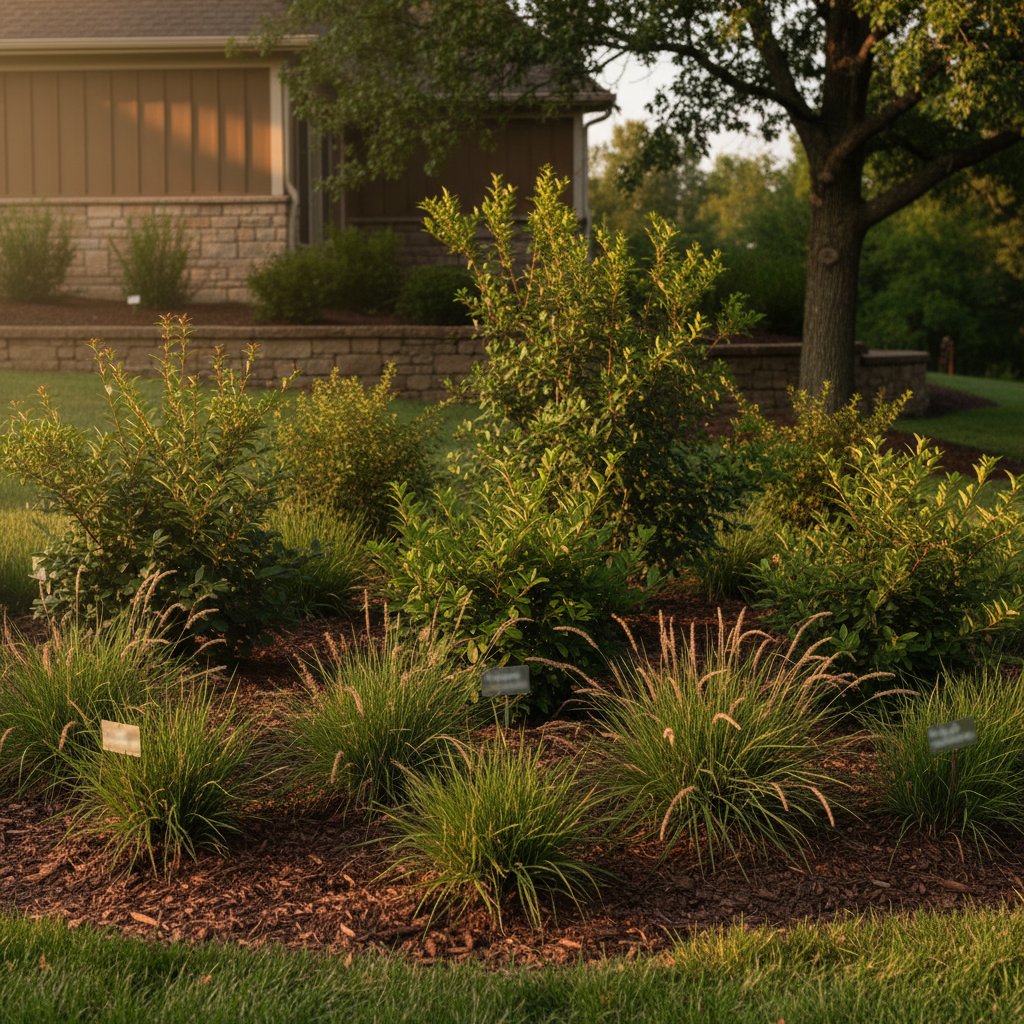
While grasses provide a familiar aesthetic, low-growing perennials offer a more diverse palette for a resilient property. These species function as living mulches, cooling the soil surface and suppressing weeds without the heavy irrigation demands of turf. For homeowners in the Scipio Valley, selecting the right Utah lawn alternatives drought tolerant ground cover involves balancing aesthetics with the plant's ability to withstand our harsh winters and drying winds.
1. Creeping Thyme (Thymus praecox) This is one of the most rugged options for high-traffic paths or between flagstones. Its woody, mat-forming stems stay low to the ground, which protects the plant from the drying effects of Scipio’s high-velocity winds. Once established, it requires very little water and produces a dense carpet of purple or pink flowers. The texture is fine and aromatic, releasing a pleasant scent when stepped upon. It is fully hardy for our zone, though it may look slightly woody in mid-winter before bouncing back in late spring.
2. Microclover (Trifolium repens 'Pipolina') Unlike common Dutch White Clover, Microclover has smaller leaves and a more compact growth habit. It is a nitrogen-fixing powerhouse, naturally fertilizing the soil and reducing the need for chemical inputs. It stays green much longer into the heat of summer than traditional sod. Because it has a deep taproot, it reaches moisture that surface-level grass cannot. It handles moderate foot traffic well and can be integrated with fine fescue for a denser, more uniform look.
3. Native Creeping Mahonia and Sedums For areas of your yard that do not see regular walking, native species are the most sustainable choice. Creeping Mahonia (Mahonia repens) is a Utah native with holly-like, waxy leaves that resist UV scorch and wind desiccation. It produces yellow flowers in spring and turns a beautiful bronze-purple in the winter. Alternatively, various Sedums (Stonecrop) thrive in the rocky, alkaline soils often found in Millard County. These succulents store water in their fleshy leaves, making them virtually bulletproof during a drought.
Utilizing high-quality plant sourcing ensures you receive varieties acclimated to our specific elevation and soil chemistry. Before planting these covers, prioritize soil preparation in Utah to ensure roots can establish before freezing temperatures arrive. Integrating these species also supports your goals for native and pollinator-friendly plants, creating a yard that serves the local ecosystem while reducing your water bill.
How to Convert Your Lawn to Xeriscape: A Step by Step Guide
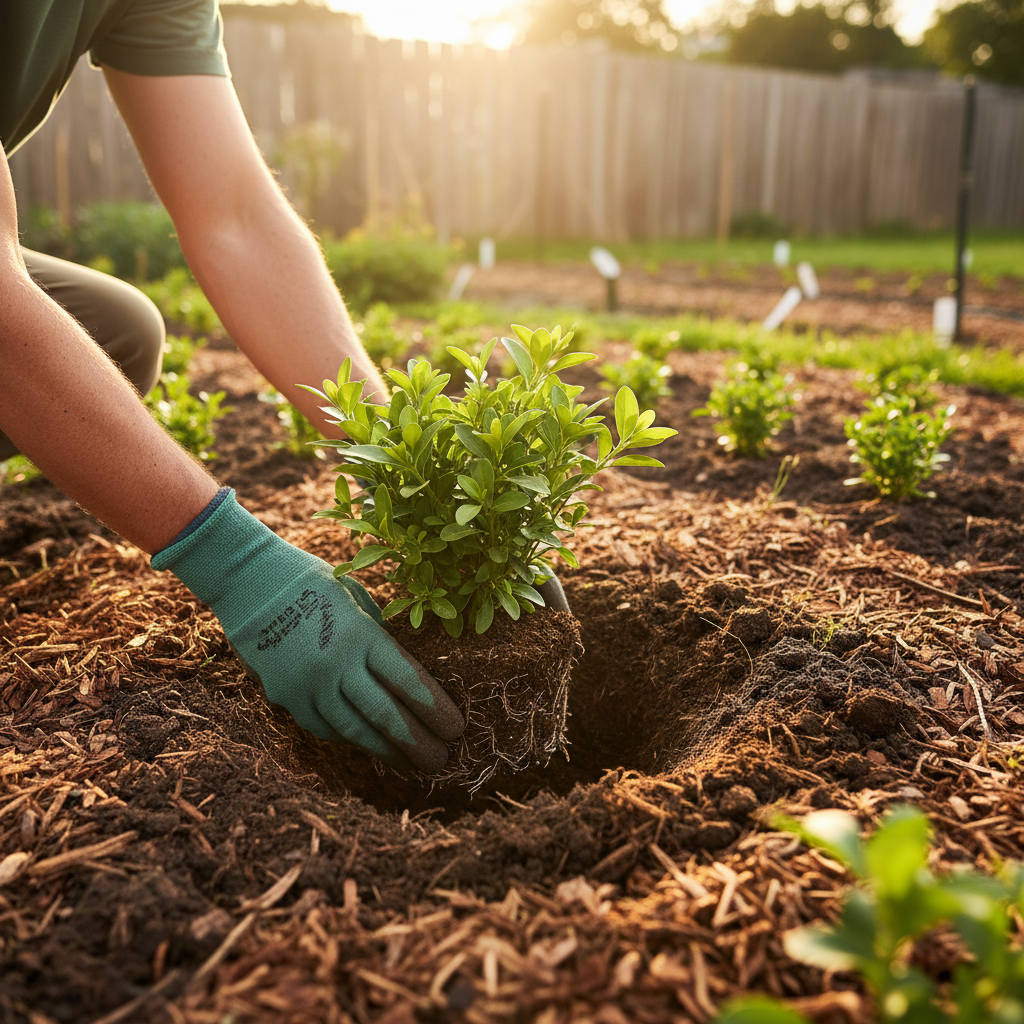
Moving from plant selection to installation requires a clear understanding of the labor involved in turf replacement. There are two primary methods for clearing space for Utah lawn alternatives drought tolerant ground cover, each with distinct impacts on long term soil health.
Physical sod removal involves using a motorized sod cutter to strip away the top layer of grass and roots. This is the fastest route to a blank slate, but it often leaves behind a hardpan layer of compacted, nutrient depleted dirt. Decades of heavy foot traffic and concentrated irrigation can cause traditional lawn soil to lose its structural integrity and microbial life. If you choose this method, rigorous soil preparation in Utah is mandatory to loosen the earth and reintroduce organic matter before new roots are introduced.
Sheet mulching, sometimes called lasagna gardening, is a slower but more ecologically sound alternative. By layering recycled cardboard or thick newspaper over the existing lawn and covering it with several inches of wood chips or compost, you suffocate the grass while feeding the subterranean ecosystem. As the organic material breaks down, it encourages earthworm activity and improves water infiltration, which is vital for the success of high-quality plant sourcing in our arid climate. This method typically takes six months to a year to fully decompose the turf, making it an excellent project to start in the fall.
Regardless of the removal method, proper grading is critical on Scipio properties to prevent erosion and maximize moisture. High desert rain often comes in heavy, brief bursts. You should grade the soil to direct water toward planting basins or shallow swales rather than allowing it to run off into the street or pool against your foundation. This ensures that every drop of natural precipitation benefits your native and pollinator-friendly plants rather than becoming a waste product.
Integrating Native Shrubs and Perennials for a Resilient Property
Transitioning away from a monoculture lawn offers an opportunity to introduce vertical structure and ecological depth. A successful landscape conversion does not stop at the soil surface; it utilizes layered planting to mitigate the harsh environmental factors common in Millard County. By integrating native shrubs and perennials, you create a tiered canopy that protects the Utah lawn alternatives drought tolerant ground cover beneath it from excessive UV exposure and high velocity winds.
Structural staples like Big Sagebrush (Artemisia tridentata) and Rubber Rabbitbrush (Ericameria nauseosa) are essential for Scipio properties. Sagebrush provides a year round silvery hue and acts as a natural windbreak, while Rabbitbrush offers a burst of late season yellow blooms when most other plants have faded. These woody species are exceptionally deep rooted, helping to stabilize soil and draw moisture from lower profiles. For color and variety, Penstemon species thrive in our rocky conditions and provide critical nectar for native bees and hummingbirds.
Plant Category | Species Example | Function | Water Requirement |
|---|---|---|---|
Structural Shrub | Big Sagebrush | Windbreak and Privacy | Very Low |
Flowering Shrub | Rubber Rabbitbrush | Late Season Color | Very Low |
Perennial | Rocky Mountain Penstemon | Pollinator Support | Low |
Moving toward these native and pollinator-friendly plants transforms a yard from a high maintenance dry space into a productive living landscape. Once you have completed your soil preparation in Utah, utilizing high-quality plant sourcing ensures that these larger specimens have the vigor to establish quickly. This multi layered approach results in a property that is visually dynamic, self sustaining, and far more resilient than a simple grass lawn.
Choosing the right drought tolerant ground cover is the first step toward a resilient, water wise landscape in Utah. By replacing traditional turf with hardy native species, you can enjoy a beautiful yard that thrives in our high desert climate while saving valuable resources. If you would like expert help to design your ideal outdoor space, you can learn more about Scipio Plants and our commitment to sustainable gardening. We are here to help you navigate these choices and create a thriving garden.