Sego Lily, Utah Agave, and Milkweed are essential native plants Utah high desert pollinators rely on for habitat and nutrition in Great Basin landscapes. These drought-tolerant species reduce water consumption and support local biodiversity; they are ideal for sustainable xeriscaping in the region's unique climate. Selecting these hardy varieties ensures a thriving environment for local bees, birds, and butterflies.
Gardening in the Utah high desert often feels like a losing battle against alkaline soil, scorching UV rays, and perpetual drought. Many homeowners watch expensive, water hungry ornamentals struggle by mid July, resulting in a landscape that feels both fragile and sterile. Success in this rugged terrain requires a shift in perspective; you must work with the land rather than against it. By prioritizing native species, you create a resilient sanctuary that demands fewer resources while providing critical habitat for Utah's diverse pollinators. This guide details the most effective native perennials and shrubs for Scipio and the surrounding basins. You will learn how to support over 1,000 native bee species, implement the 70/30 design rule for year round interest, and master the specific planting techniques required to help a desert garden truly thrive.
Why Native Plants Matter for Utah's High Desert Landscapes
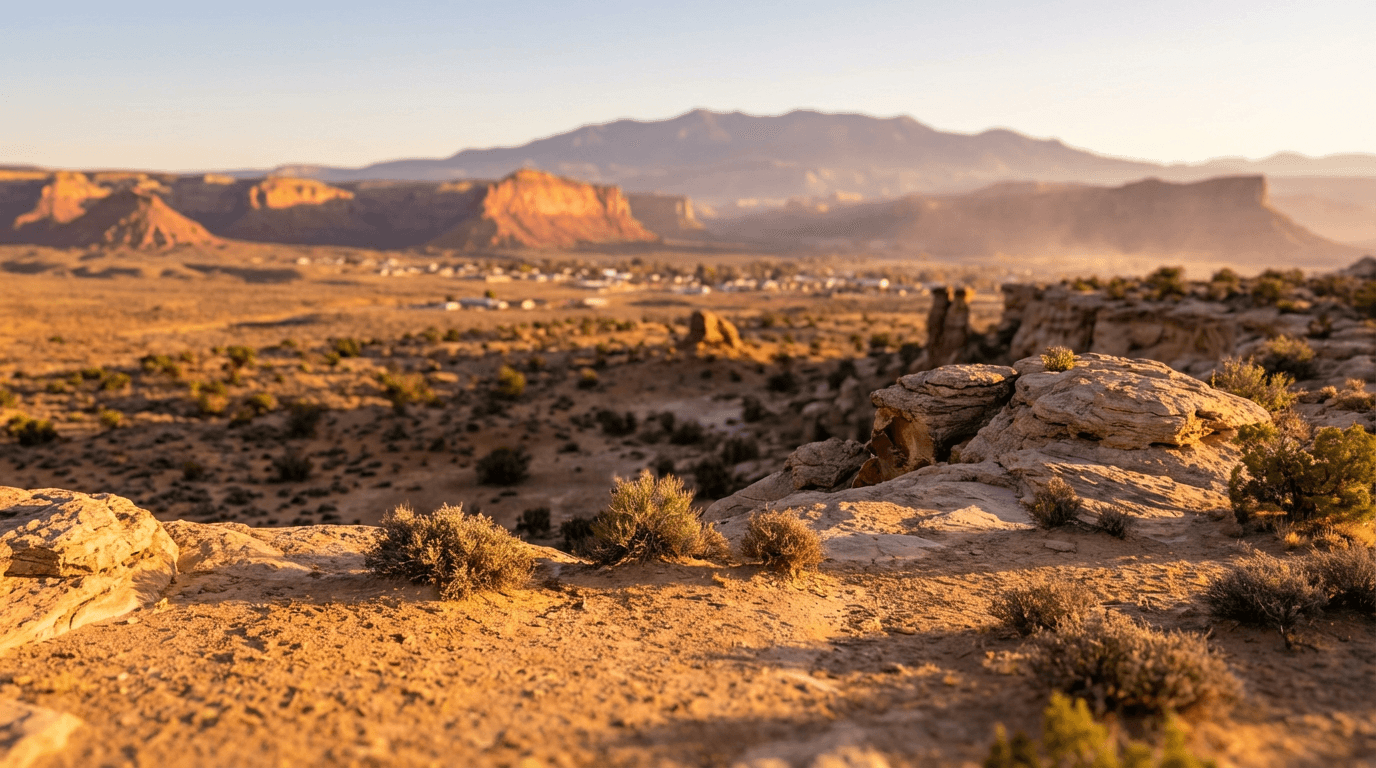
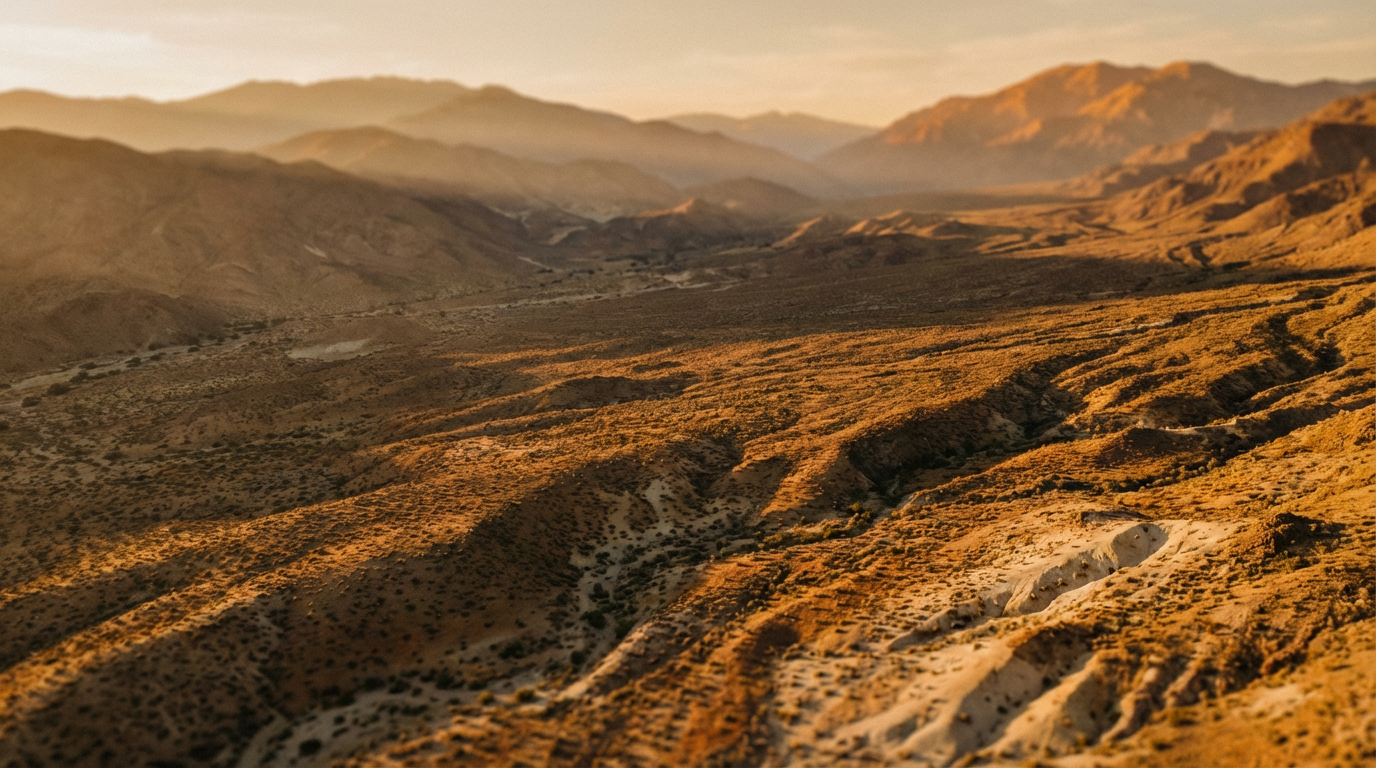
In the Great Basin and the Utah high desert, a native plant is defined by its evolutionary history. These species have resided in our specific geography for millennia, developing biological strategies to survive conditions that would kill most traditional nursery stock. For landscapes in Scipio, Utah, native plants possess a distinct home-field advantage. They are genetically programmed to handle the 40-degree diurnal temperature swings common in Millard County, the naturally alkaline soil, and annual precipitation that often falls below 12 inches.
Understanding the difference between native, naturalized, and adapted species is crucial for long-term success. A native species is indigenous to the local ecosystem. An adapted species is a non-native plant that can survive our climate but may require supplemental water or specific soil preparation in Utah to flourish. Naturalized plants are non-natives that have escaped cultivation and grow wild, sometimes becoming invasive and disrupting the local balance. By prioritizing true natives, you ensure your landscape integrates seamlessly with the surrounding environment.
These plants are the foundation of a resilient outdoor space. Their deep taproots and metabolic efficiency allow them to remain vibrant during summer heat waves without draining local water resources. Furthermore, native plants Utah high desert pollinators rely on have co-evolved to provide the exact nutrient profiles and bloom timings local insects need. At Scipio Plants, we focus on sourcing and growing varieties that are proven to withstand the specific microclimates of rural Utah, offering professional planting and growth support to help these selections take hold. If you are ready to transition to a more sustainable landscape, you can contact Scipio Plants for expert advice.
The Pollinator Connection: Supporting Utah's 1,100 Native Bee Species
Utah is a global hotspot for bee diversity, hosting approximately 1,100 species of native bees. Unlike the non-native honeybee, the vast majority of our local bees are solitary ground-nesters. These insects do not live in colonial hives; instead, they rely on undisturbed, well-drained soil to excavate small tunnels where they lay their eggs. When you choose native plants Utah high desert pollinators can thrive on, you are providing the exact biological fuel required by these specialized insects.
Native plant species are significantly superior to generic nursery hybrids for several reasons. Many commercial hybrids are bred for "double blooms" or exaggerated aesthetic features that can physically block a bee's access to nectar or even eliminate pollen production entirely. In contrast, true natives offer high-protein pollen and nectar with nutrient profiles that local bees have relied on for millennia. Furthermore, the bloom timing of native plants is synchronized with the life cycles of local insects, ensuring food is available exactly when specific bee species emerge from their nests.
Maintaining a healthy pollinator habitat requires "bloom succession," which involves providing floral resources from the early spring thaw through the late autumn frosts. A landscape that only blooms in mid-summer leaves pollinators vulnerable during the shoulder seasons. By selecting a diverse mix of species that flower at different intervals, you create a continuous food corridor. Proper soil preparation in Utah ensures these plants remain vigorous enough to support this succession throughout the year. If you are looking to design a habitat that supports these 1,100 species, you can contact Scipio Plants to learn about our planting and growth support for native landscapes.
Top Native Perennials for Color and Pollinator Habitat
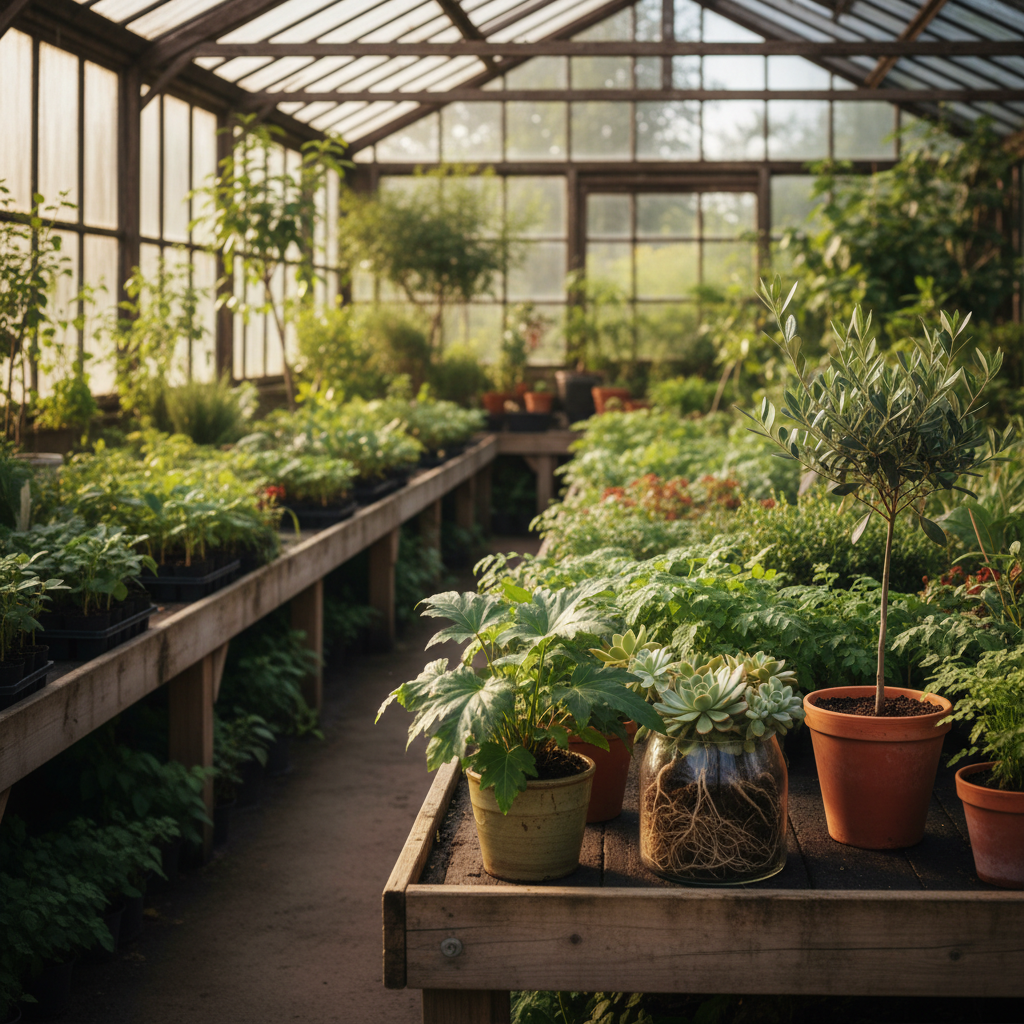
Selecting specific perennials that thrive in Scipio requires balancing aesthetic appeal with the biological needs of native insects. The sandy and loamy soils of our region provide the excellent drainage these species require, especially when paired with proper soil preparation in Utah to avoid root rot and compaction.
Plant Species | Sun Requirements | Water Needs | Primary Pollinators |
|---|---|---|---|
Penstemon (Palmer’s or Rocky Mountain) | Full Sun | Very Low | Hummingbirds, Bumblebees |
Yarrow (Achillea millefolium) | Full Sun to Part Shade | Low | Native Bees, Hoverflies |
Sego Lily (Calochortus nuttallii) | Full Sun | Very Low | Native Bees, Beetles |
Fireweed (Chamaenerion angustifolium) | Full Sun to Part Shade | Moderate | Butterflies, Moths, Bees |
Bee Balm (Monarda) | Full Sun | Moderate to Low | Bees, Clearwing Moths |
Penstemon varieties like Palmer’s produce large, fragrant pink blooms that are structurally designed for hummingbirds and large bumblebees. They are exceptionally drought tolerant, requiring almost no supplemental water once their deep root systems are established in our local soil.
Yarrow is a foundational species for any habitat. Its flat topped flower clusters provide an ideal landing platform for smaller native bees and beneficial hoverflies. It is incredibly hardy and thrives in lean, sandy soils where more pampered nursery hybrids often struggle to survive the winter.
Sego Lily, the Utah state flower, is uniquely adapted to our desert flats. It prefers well drained, sandy sites and blooms in early summer. Because it grows from a bulb and goes dormant during the hottest part of the year, it requires very little water once the blooming cycle is complete.
Fireweed offers striking vertical color for larger spaces. While it appreciates slightly more moisture than the Sego Lily, it is a prolific nectar source for butterflies and sphinx moths. It works well in lower spots of the landscape where runoff might collect.
Bee Balm, specifically native Wild Bergamot, is a powerhouse for native plants Utah high desert pollinators seek out. Its distinct, shaggy flowers are a favorite of long tongued bees and hummingbirds. If you need help selecting the right mix for your property, you can contact Scipio Plants for personalized recommendations and planting and growth support.
Resilient Shrubs and Grasses for Structure and Year Round Interest
While perennials offer seasonal color, shrubs and native grasses provide the structural backbone that keeps a landscape visually engaging during the winter months. These woody and fibrous plants define the architecture of a property, acting as windbreaks and visual anchors in the vast Scipio landscape.
*Rabbitbrush (Ericameria nauseosa) is essential for late season interest. As other plants fade in August and September, Rabbitbrush explodes into brilliant gold, providing a final, vital nectar source for native plants Utah high desert pollinators before the first hard freeze. Its silver green foliage adds soft texture even when not in bloom. For year round green, Manzanita varieties offer leathery, evergreen leaves and distinctive smooth, reddish bark. This shrub provides a dense texture that contrasts sharply with the airy form of Mormon Tea (Ephedra)*. Mormon Tea is a prehistoric looking gymnosperm that thrives in rocky, nutrient poor soil with almost no supplemental water, offering vertical, jointed stems that provide unique sculptural interest.
Replacing thirsty Kentucky Bluegrass with native alternatives like Blue Grama or Buffalo Grass significantly reduces water consumption. Blue Grama is particularly noted for its distinctive "eyebrow" seed heads that catch the light in the wind. If you are looking for the best native ground cover to stop weeds, *Creeping Mahonia (Mahonia repens)* is an excellent low growing choice. Its holly like evergreen leaves and dense spreading habit shade the soil, preventing weed seeds from germinating while providing early spring yellow blooms.
Integrating these structural elements requires thoughtful planting and growth support to ensure proper spacing and establishment. For advice on integrating these species into your specific site, you can contact Scipio Plants. Proper soil preparation in Utah remains the first step in ensuring these deep rooted shrubs and grasses reach their full potential.
Designing for Success: The 70/30 Rule and Xeriscaping Principles

To build a landscape that functions as a true ecosystem, we recommend following the 70/30 rule. This ecological guideline suggests that at least 70 percent of your plant biomass should consist of native species to provide sufficient habitat and food for native insects and birds. By reaching this threshold, your property becomes a productive link in the local food web, providing the high quality resources that native plants Utah high desert pollinators require to thrive. The remaining 30 percent can be dedicated to non-invasive, adapted ornamentals that provide additional color or personal utility.
Intentional design also relies on hydrozoning, which is the practice of grouping plants with identical water requirements into specific irrigation zones. For example, you should place drought-obligate species like Mormon Tea in a different zone than relatively thirstier plants like Fireweed. This prevents the root rot often caused by overwatering low-water species and ensures maximum irrigation efficiency.
Aesthetics play a critical role in making a water-wise garden look purposeful. Use local limestone or volcanic rock to define beds, which anchors the garden in the Scipio landscape. Applying a coarse wood mulch or crushed gravel helps suppress weeds and retain moisture, but you must ensure your soil preparation in Utah accounts for the drainage needs of each specific zone. For assistance in creating a cohesive plan, you can contact Scipio Plants to discuss our planting and growth support.
Planting and Establishing Your Native Garden in Scipio
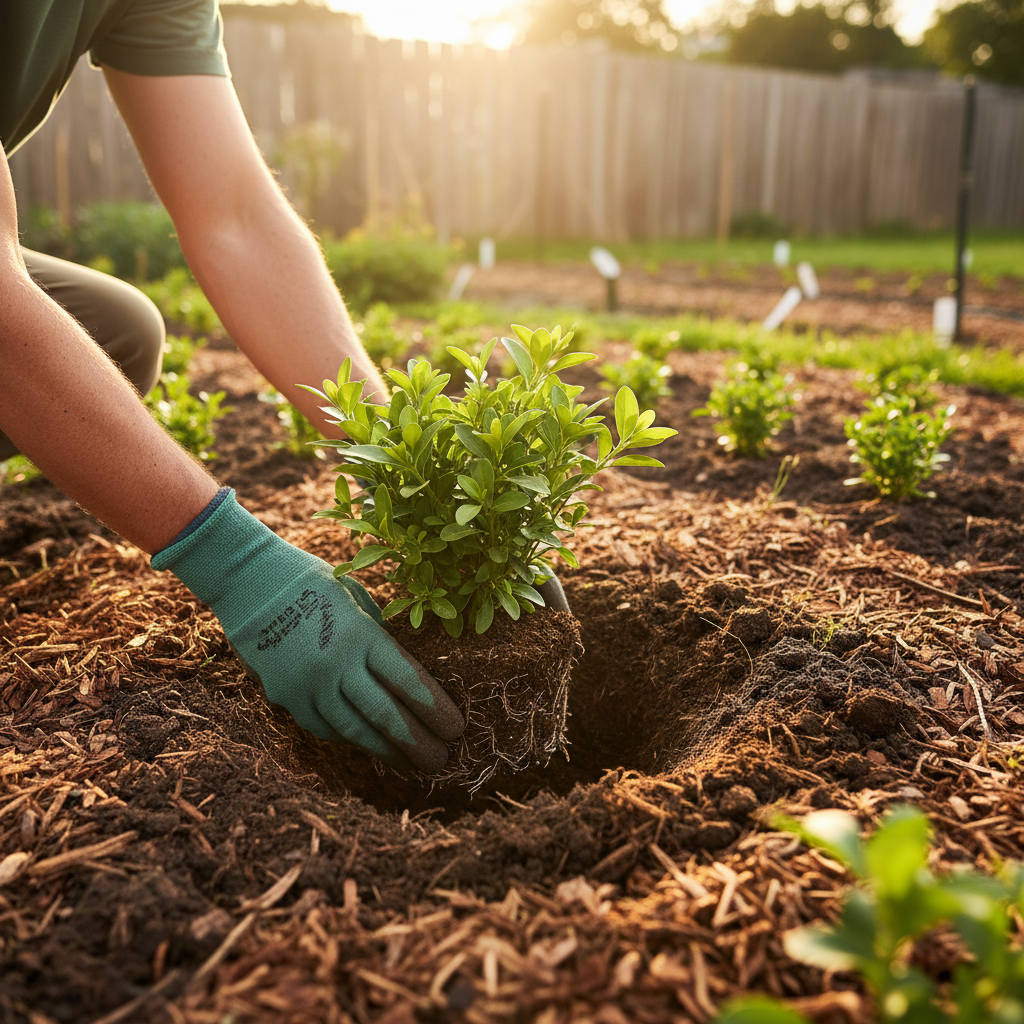
Successful establishment in Scipio begins with timing. While spring is a common planting season, the best results often come when you plant in fall. Late September through October allows native species to focus their energy on root development without the immediate stress of 90 degree summer temperatures. In our high desert environment, the cooling air temperatures paired with residual soil warmth provide an ideal window for plants to settle in before the ground freezes.
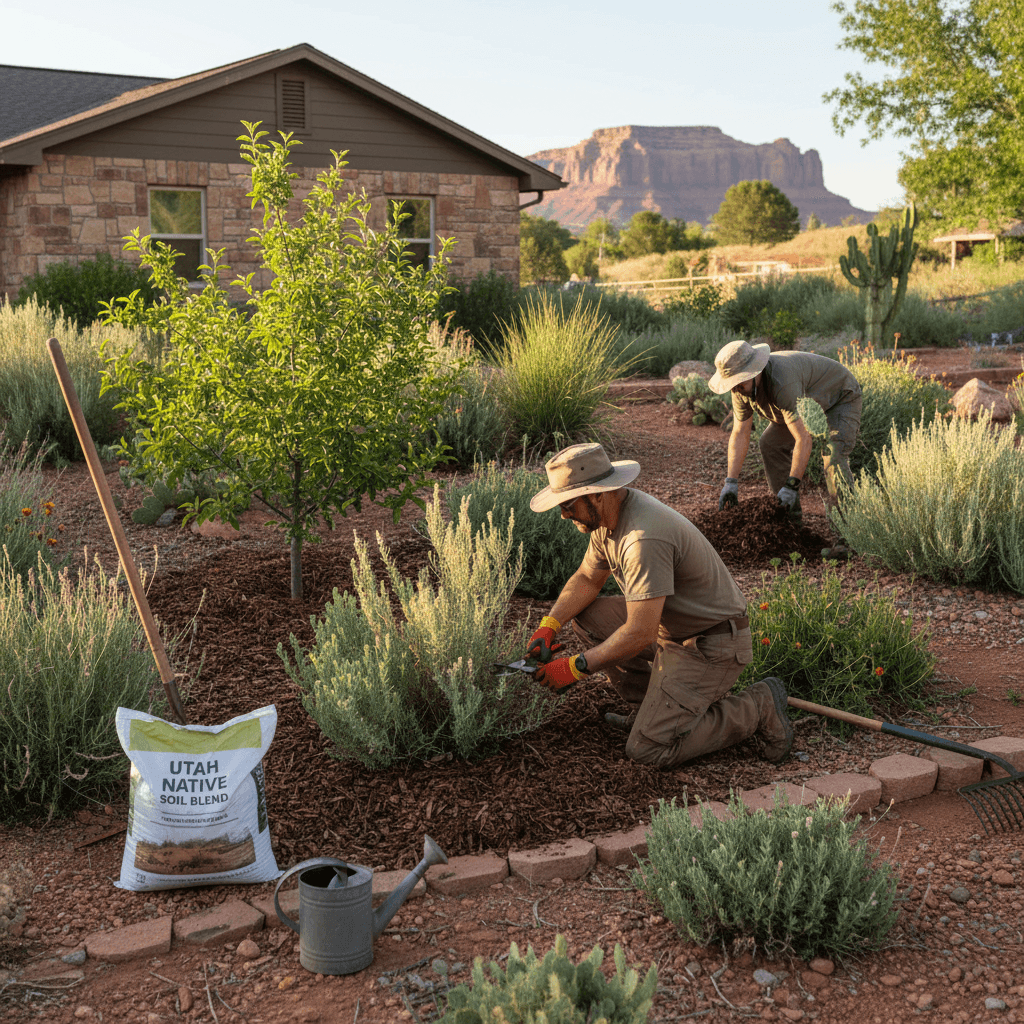
When addressing soil preparation in Utah, the most common mistake is over amending. Most Great Basin natives evolved in lean, nutrient poor, and alkaline soils. Adding excessive organic matter or high nitrogen fertilizers can actually be counterproductive; it often leads to rapid, weak growth that cannot withstand Millard County winters. Instead, focus on ensuring proper drainage and breaking up any severe compaction. Keep the soil profile similar to the surrounding landscape to prevent "bathtubbing," where water collects in a hole filled with rich soil surrounded by heavy native dirt.
Establishment requires patience. Even the most drought hardy species need consistent, deep watering during their first two growing seasons. This supplemental moisture is what allows native plants Utah high desert pollinators depend on to grow the deep taproots necessary for long term survival. After year two, you can gradually taper irrigation until the plants are self sufficient. If you need help with site analysis or professional installation, Scipio Plants provides comprehensive planting and growth support to ensure your landscape thrives. You can contact Scipio Plants to schedule a consultation for your specific property needs.